African Migrant

African Migrant

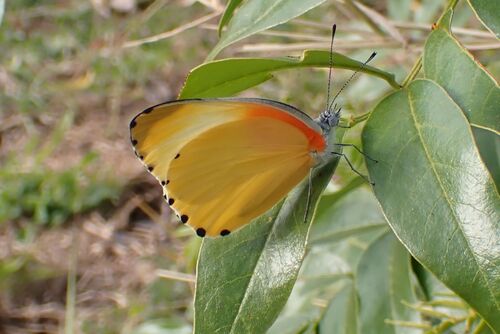
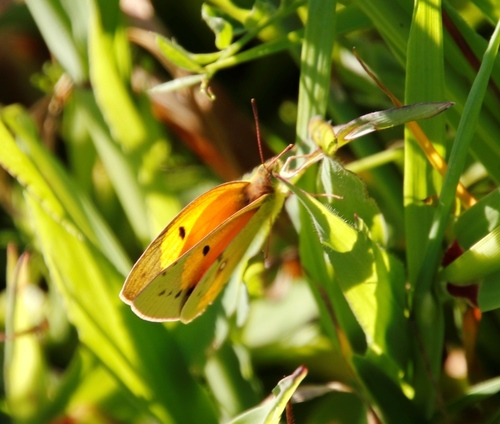
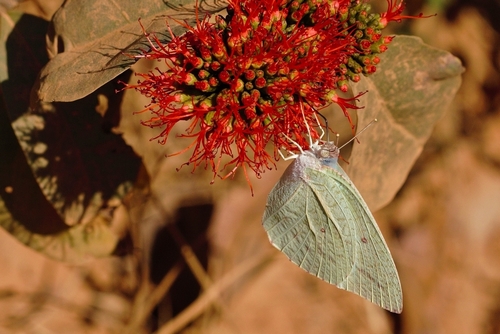
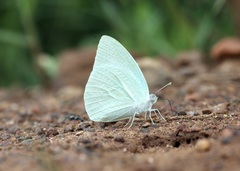
Catopsilia florella

Daily sighting probability <5% · Rare
at Table Mountain National Park

In 3 days ~10% in a week ~20%

6 Verified sightings at Table Mountain National Park From 2019 to 2026
302 In all 12 parks
February Best month
☀️ Diurnal When it's spotted

About the African Migrant

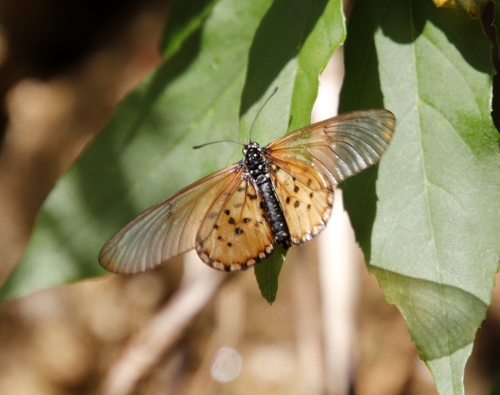
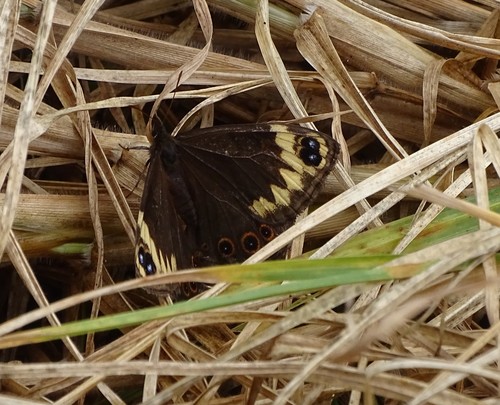
Catopsilia florella, the African migrant, African emigrant, or common vagrant, is a butterfly of the family Pieridae. It is found in Africa (including Madagascar), Arabia (United Arab Emirates, Saudi Arabia, Oman) and the Canary Islands. Like Catopsilia pomona, this species also has a habit of migration. Many early authors mentioned the presence of this species in Asia; but those were probably due to confusion arises as Catopsilia pyranthe females exhibit a lot of seasonal variations. Catopsilia florella is not included as a species in India in any recent checklists.

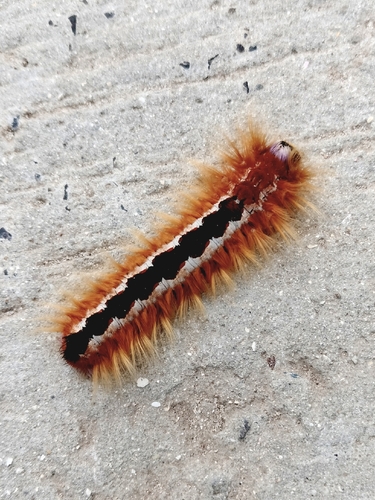
The wingspan is 54–60 mm for males and 56–66 mm for females. Adults are on wing year-round. From South Africa, adults migrate from summer to autumn. They fly in a north-eastern direction. The larvae feed on Senna occidentalis, Senna septentrionalis, Senna petersiana, Senna italica, Cassia javanica, and Cassia fistula. Wikipedia →
Global Distribution

Parks Where Found

# Park Country Daily sighting probability
1 Kgalagadi Transfrontier Park 🇿🇦 South Africa
~30%
2 Gonarezhou National Park 🇿🇼 Zimbabwe
~30%
3 Gorongosa National Park 🇲🇿 Mozambique
~20%
4 Kruger National Park 🇿🇦 South Africa
~20%
5 iSimangaliso Wetland Park 🇿🇦 South Africa
~10%
6 Hluhluwe-Imfolozi Park 🇿🇦 South Africa
~10%
7 Etosha National Park 🇳🇦 Namibia
~10%
8 Pilanesberg National Park 🇿🇦 South Africa
~10%
9 Namib-Naukluft National Park 🇳🇦 Namibia
~10%
10 Addo Elephant National Park 🇿🇦 South Africa
~10%
11 Garden Route National Park 🇿🇦 South Africa
~10%
12 Table Mountain National Park 🇿🇦 South Africa
<5%

Cities Where Found

# City Country Daily sighting probability
1 Accra 🇬🇭 Ghana
~30%
2 Kigali 🇷🇼 Rwanda
~30%
3 Ouagadougou 🇧🇫 Burkina Faso
~20%
4 Lusaka 🇿🇲 Zambia
~20%
5 Pretoria 🇿🇦 South Africa
~20%
6 Cairo 🇪🇬 Egypt
~20%
7 Antananarivo 🇲🇬 Madagascar
~20%
8 Nairobi 🇰🇪 Kenya
~20%
9 Johannesburg 🇿🇦 South Africa
~10%
10 Kampala 🇺🇬 Uganda
~10%

Before you go

What are the chances of seeing an African Migrant in Table Mountain National Park?

Rare

Under 5% of wildlife watchers report an African Migrant sighting in Table Mountain National Park on a given day, based on 6 verified sightings from GBIF citizen-science data from 2019 to 2026. It is the 320th most-seen of the 344 insects we can rate there. Over three days the chance rises to about 10%, and over a week to about 20%, if each day is a fresh chance.

When is the best time to see an African Migrant in Table Mountain National Park?

Any time of year

In every month with enough records, under 5% of wildlife watchers report an African Migrant in Table Mountain National Park on a given day, so our monthly data shows no clear season.

What time of day is best to see an African Migrant?

Between noon and 3 pm

Across all the parks we cover, that three-hour window holds the most African Migrant sightings with a recorded time, and nearly all of them come between 6 am and 6 pm: it is a daytime animal.

Which relatives of the African Migrant live in Table Mountain National Park?

Same family: Pieridae

The closest relatives of the African Migrant that you can see in Table Mountain National Park (family Pieridae, Whites, Yellows, and Sulphurs) are Large White (about 20%), Eastern Dotted Border (about 20%) and African Meadow White (about 10%), with each one's daily chance of a sighting.

Where does the African Migrant sighting chance come from?

GBIF citizen-science records

It is estimated from how often the African Migrant is recorded against all the insects logged in Table Mountain National Park (6 verified sightings from 2019 to 2026), calibrated against known sighting rates. Figures are rounded to the nearest 10% because citizen-science data supports honest approximations, not decimals, and months with records from fewer than five people show "—". How it works.

← Back to Table Mountain National Park