







All 4 in 3 days here: ~30%
Gorongosa National Park
🇲🇿 Mozambique
Southern Africa, Mozambique 984 spp. recorded
Gorongosa National Park occupies a sprawling tropical savanna landscape in Mozambique, where seasonal floodplains meet dense woodlands and acacia flats. This protected basin supports a complex mosaic of habitats that differs from standard dry-land reserves through its massive permanent water systems and rich alluvial soils.
-18.770° S 34.448° E
🦜 Nature

491 Species sighted
9,701 Verified sightings From 2019 to 2026
Nov Best month
⭐ Iconic Species
📊 Most Spotted
⭐ Iconic Species
📊 Most Spotted
📊 Most Spotted
📊 Most Spotted
📊 Most Spotted
📊 Most Spotted
🌙 Most active after dark
+ 698 more species with insufficient data
Challenges you can complete here
Recent sightings in Gorongosa National Park
LIVEiNaturalistSighting Calendar
How many species you'd see in a day
7.7Jan
38Feb
10Mar
49Apr
48May
40Jun
42Jul
34Aug
44Sep
57Oct
57Nov
17Dec
Sighting Zones
Warmer areas are where all species together are recorded most often.
-
Chitengo Camp
Daily sight. prob.vs avg -
Grasslands (WNW of Mussicadzi River)




🏕️ Experience
Essentials
Entrance
Paid
Tourism
Low
Typical stay
2–3
daysTrails
Easy
World Heritage
No
Climate
Temp °C Rain mm
JanFebMarAprMayJunJulAugSepOctNovDec
0.0 Excellent
Wallace's Line Score
How good is this park for seeing wildlife? 🦜
Biodiversity
GoodHow rich is the wildlife?
4.0
Species by taxon
🦅 Birds 627
🐒 Mammals 169
🦎 Reptiles 132
🐸 Amphibians 56
984 Total Species
828 Global average across 316 parks
35 Threatened 3 Endemic
🔭
Sighting
ExcellentHow likely to see animals?
4.0
🎯
Top-12 Avg Probability
50% 📊
Coverage (296 species at ≥5% of 984 in the inventory)
30% 🔀
Taxon variety in top 12 (6 bird, 5 mammal, 1 amphibian)
76% 🔭
Species per 10 outings (distinct species a visitor would meet over 10 outings — effort held equal across parks)
171 🌟
Iconic-group species (≥15%) (every species from the 19 iconic groups — monkeys, cats, toucans, macaws, sloths, crocodilians… — not just the 4 highlighted above)
38 ⭐
High-prob species (>40%)
17 🏕️
Experience
ExcellentHow easy and pleasant is the visit?
4.8
Climate Pleasant High
Entrance Paid Low
Tourism Low High
Trails Easy High
World Heritage No —
What visitors say
Early in our visit we watched dozens of vultures gathered around a dead Cape Buffalo.
Before flying to the Bazaruto Archipelago, we spent several days in Gorongosa National Park – one of Africa’s most compelling conservation destinations.
But Gorongosa's breathtaking scenery and unparalleled biodiversity truly set it apart, making it a true gem on our planet.
A visit to the honey factory on Gorongosa National Park where we learned about bee preservation, honey processing, and even got to try some sweet, local honey.
Before you go
What animals can you see in Gorongosa National Park?
984 species
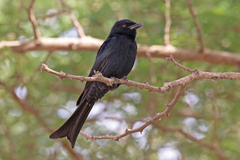
Gorongosa National Park has 984 recorded vertebrate species. The ones wildlife watchers report most often on a given day are Common Bulbul (about 70%), Black-backed Puffback (about 60%), Fork-tailed Drongo (about 60%), Waterbuck (about 50%) and Impala (about 50%). Among reptiles, the most-seen is Nile Crocodile (about 40%); among amphibians, Grey Foam-nest Treefrog (about 50%).
When is the best time to visit Gorongosa National Park for wildlife?
April and June–December
In those months the park's 12 most-seen species average about 50% on a given day, against about 30% in March.
Can you see a Lion in Gorongosa National Park?
Yes
About 50% of wildlife watchers report a Lion sighting in Gorongosa National Park on a given day, based on 35 verified sightings from GBIF citizen-science data from 2019 to 2026. The best time is August (about 70%).
Can you see an African Bush Elephant in Gorongosa National Park?
Yes
About 40% of wildlife watchers report an African Bush Elephant sighting in Gorongosa National Park on a given day, based on 23 verified sightings from GBIF citizen-science data from 2019 to 2026. The best time is August (about 70%).
Can you see a Painted Hunting Dog in Gorongosa National Park?
Yes
About 40% of wildlife watchers report a Painted Hunting Dog sighting in Gorongosa National Park on a given day, based on 24 verified sightings from GBIF citizen-science data from 2019 to 2026. The best time is May (about 60%).
Can you see a Waterbuck in Gorongosa National Park?
Yes
About 50% of wildlife watchers report a Waterbuck sighting in Gorongosa National Park on a given day, based on 40 verified sightings from GBIF citizen-science data from 2019 to 2026. The best time is April and June (about 70%).
Where in Gorongosa National Park is wildlife easiest to see?
Around Picada 1 Rd
The richest sighting zone is around Picada 1 Rd, followed by Chitengo Camp and South-west park edge, ranked by how many of the park's headline animals visitors can expect to see in each. See the zones on the map.
Is Gorongosa National Park good for wildlife watching?
4.0 out of 5
On the Wallace's Line Score, Gorongosa National Park rates 4.0/5: 107th of 316 parks worldwide and 47th in Africa. 26 of its species are reported by about 40% or more of wildlife watchers on a given day.


