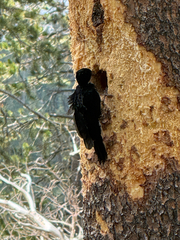
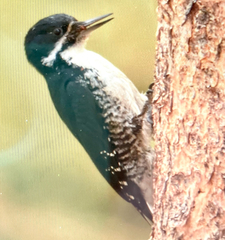
Black-backed Woodpecker

Black-backed Woodpecker

Picoides arcticus

Silhouette: Richard Rich · PhyloPic

LCLeast ConcernNTVUENCR
Daily sighting probability ~10% · With luck
at Yosemite National Park

In 3 days ~20% in a week ~30%

210 Verified sightings at Yosemite National Park From 2019 to 2026
667 In all 14 parks
September Best month
☀️ Diurnal When it's spotted

About the Black-backed Woodpecker

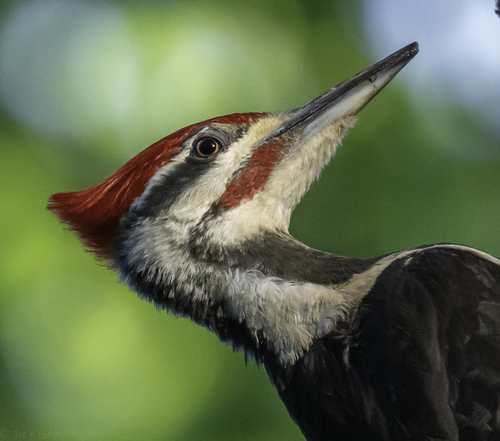
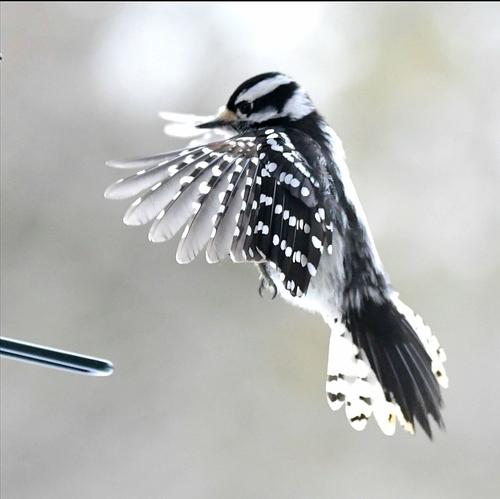
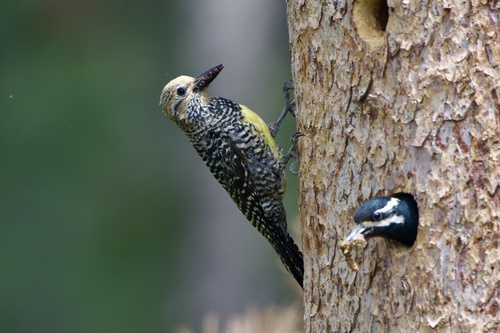
The black-backed woodpecker (Picoides arcticus), also known as the Arctic three-toed woodpecker, is a medium-sized woodpecker (23 cm (9.1 in) long) inhabiting the forests of North America. The black-backed woodpecker was described and illustrated by the English naturalist William Swainson in 1832 from a specimen collected near the source of the Athabasca River on the eastern slopes of the Rocky Mountains in Alberta, Canada. He coined the binomial name Picus arcticus. The specific epithet arcticus is the Latin word for "northern" or "arctic". The

black-backed woodpecker is now placed in the genus Picoides which was erected by the French naturalist Bernard Germain de Lacépède in 1799. The species is monotypic: no subspecies are recognised. The plumage of adults is black on the head, back, wings and rump. They are white from the throat to the belly; the flanks are white with black bars. Their tail is black with white outer feathers. There is an element of sexual dimorphism in the plumage, with the adult male possessing a yellow cap. Unlike all other true woodpeckers except the related American and Eurasian three-toed woodpeckers, this species has three... Wikipedia →

Sounds

Call1:14

United States · 2025

© Greg Irving · XC1029605 · CC BY-NC-SA 4.0

Tapping0:54

United States · 2019

© Bruce Lagerquist · XC482561 · CC BY-NC-SA 4.0

Drumming1:25

United States · 2015

© Frank Lambert · XC408793 · CC BY-NC-ND 4.0

Global Distribution

Parks Where Found

# Park Country Daily sighting probability
1 Yosemite National Park 🇺🇸 United States
~10%
2 Glacier National Park 🇺🇸 United States
<5%
3 Voyageurs National Park 🇺🇸 United States
<5%
4 Riding Mountain National Park 🇨🇦 Canada
<5%
5 Denali National Park 🇺🇸 United States
<5%
6 Gros Morne National Park 🇨🇦 Canada
<5%
7 Isle Royale National Park 🇺🇸 United States
<5%
8 Sequoia and Kings Canyon National Parks 🇺🇸 United States
<5%
9 Cape Breton Highlands National Park 🇨🇦 Canada
<5%
10 Jasper National Park 🇨🇦 Canada
<5%
11 Banff National Park 🇨🇦 Canada
<5%
12 Grand Teton National Park 🇺🇸 United States
<5%
13 Yellowstone National Park 🇺🇸 United States
<5%
14 Acadia National Park 🇺🇸 United States
<5%

Cities Where Found

# City Country Daily sighting probability
1 Edmonton 🇨🇦 Canada
<5%

Before you go

What are the chances of seeing a Black-backed Woodpecker in Yosemite National Park?

With luck

About 10% of wildlife watchers report a Black-backed Woodpecker sighting in Yosemite National Park on a given day, based on 210 verified sightings from GBIF citizen-science data from 2019 to 2026. It is the 83rd most-seen of the 169 birds we can rate there. Over three days the chance rises to about 20%, and over a week to about 30%, if each day is a fresh chance.

When is the best time to see a Black-backed Woodpecker in Yosemite National Park?

January, March and July–October

In those months about 10% of wildlife watchers report a Black-backed Woodpecker in Yosemite National Park on a given day, against under 5% in February, April–June and November–December, the lowest months.

What time of day is best to see a Black-backed Woodpecker?

Between 8 and 11 am

Across all the parks we cover, that three-hour window holds the most Black-backed Woodpecker sightings with a recorded time, and about 9 in 10 of them come between 6 am and 6 pm: it is a daytime animal.

Is Yosemite National Park the best place to see a Black-backed Woodpecker?

Yes

Of the 14 parks where we can rate Black-backed Woodpecker sightings, Yosemite National Park has the highest daily chance: about 10%. Next come Glacier National Park (United States, under 5%) and Voyageurs National Park (United States, under 5%).

Which relatives of the Black-backed Woodpecker live in Yosemite National Park?

Same family: Picidae

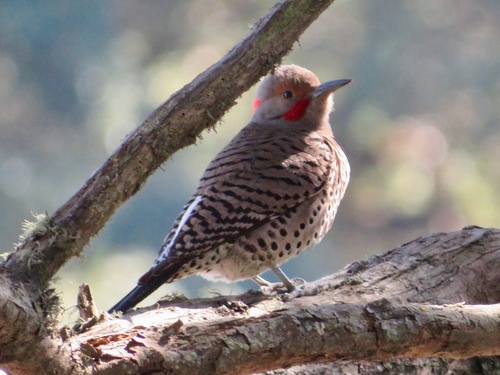
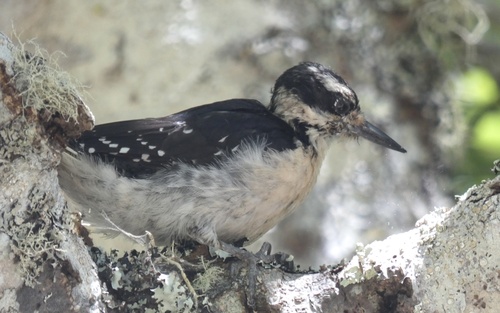
The closest relatives of the Black-backed Woodpecker that you can see in Yosemite National Park (family Picidae, Woodpeckers) are Northern Flicker (about 50%), Hairy Woodpecker (about 40%) and Acorn Woodpecker (about 40%), with each one's daily chance of a sighting.

Where does the Black-backed Woodpecker sighting chance come from?

GBIF citizen-science records

It is estimated from how often the Black-backed Woodpecker is recorded against all the birds logged in Yosemite National Park (210 verified sightings from 2019 to 2026), calibrated against known sighting rates. Figures are rounded to the nearest 10% because citizen-science data supports honest approximations, not decimals, and months with records from fewer than five people show "—". How it works.

← Back to Yosemite National Park