Voyageurs National Park
🇺🇸 United States
North America, United States 403 spp. recorded
Voyageurs National Park is a water-based wilderness of interconnected lakes, rocky islands, and dense boreal forests tucked along the northern border of Minnesota. Waterways dominate the terrain, creating a labyrinth of channels, hidden bays, and shorelines framed by towering pines and ancient rock. Visitors explore this vast aquatic realm primarily by boat or across winter ice.
48.505° N 92.942° W
🦜 Nature

214 Species sighted
9,605 Verified sightings From 2019 to 2026
Jun Best month
⭐ Iconic Species


📊 Most Spotted









📊 Most Spotted




⭐ Iconic Species
📊 Most Spotted


📊 Most Spotted




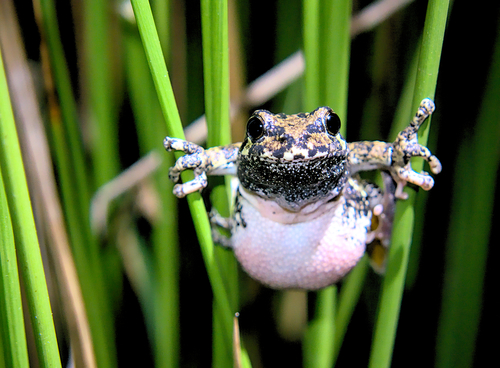

📊 Most Spotted
🌙 Most active after dark


+ 257 more species with insufficient data
Recent sightings in Voyageurs National Park
LIVEiNaturalistSighting Calendar
How many species you'd see in a day
0Jan
11Feb
14Mar
19Apr
28May
33Jun
31Jul
28Aug
23Sep
25Oct
16Nov
0.1Dec
Sighting Zones
Warmer areas are where all species together are recorded most often.
-
Rainy Lake Visitor Center
-
Ash River Visitor Center
Daily sight. prob.vs avg -
Kabetogama Lake Visitor Center
-
Woodenfrog Campground & Day-Use Area
-
Kabetogama Lake


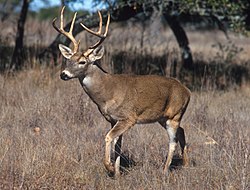
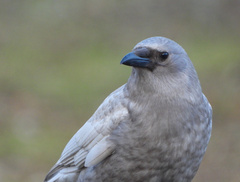


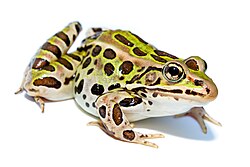








🏕️ Experience
Essentials
Entrance
Free
Tourism
Medium
Typical stay
1–2
daysTrails
Easy
World Heritage
No
Climate
Temp °C Rain mm
JanFebMarAprMayJunJulAugSepOctNovDec
0.0 Moderate
Wallace's Line Score
How good is this park for seeing wildlife? 🦜
Biodiversity
GoodHow rich is the wildlife?
2.6
Species by taxon
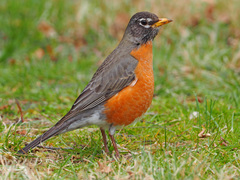
🦅 Birds 311
🐒 Mammals 67
🦎 Reptiles 4
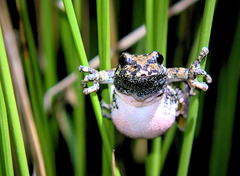
🐸 Amphibians 21
403 Total Species
828 Global average across 316 parks
14 Threatened 2 Endemic
🔭
Sighting
GoodHow likely to see animals?
2.9
🎯
Top-12 Avg Probability
59% 📊
Coverage (108 species at ≥5% of 403 in the inventory)
27% 🔀
Taxon variety in top 12 (9 bird, 2 mammal, 1 reptile)
54% 🔭
Species per 10 outings (distinct species a visitor would meet over 10 outings — effort held equal across parks)
82 🌟
Iconic-group species (≥15%) (every species from the 19 iconic groups — monkeys, cats, toucans, macaws, sloths, crocodilians… — not just the 4 highlighted above)
3 ⭐
High-prob species (>40%)
25 🏕️
Experience
Very goodHow easy and pleasant is the visit?
3.9
Climate Harsh Low
Entrance Free High
Tourism Medium Medium
Trails Easy High
World Heritage No —
What visitors say
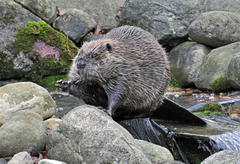
A beautiful lake along the Locator Lake trail where we saw a beaver and wolf tracks.
I saw a cute little chipmunk on the log building stoop, but mostly I saw and provided meals for lots of mosquitoes along with dead dragonflies, which I learned later are called mayflies.
We hear Beaver Pond Overlook is an excellent spot for wildlife sightings.
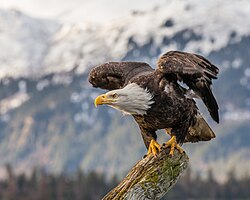
We saw bald eagles perched in a tree, scanning the waters for prey.
Before you go
What animals can you see in Voyageurs National Park?
403 species
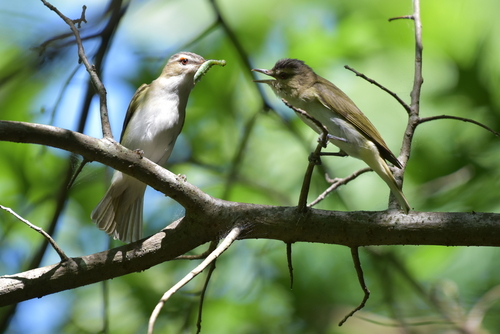
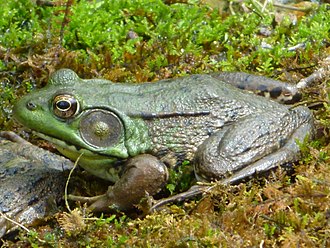
Voyageurs National Park has 403 recorded vertebrate species. The ones wildlife watchers report most often on a given day are American Red Squirrel (about 60%), Blue Jay (about 60%), American Crow (about 60%), White-throated Sparrow (about 60%) and Black-capped Chickadee (about 60%). Among reptiles, the most-seen is Painted Turtle (about 60%); among amphibians, American Toad (about 50%).
When is the best time to visit Voyageurs National Park for wildlife?
May to July
In those months the park's 12 most-seen species average about 60% on a given day, against about 30% in February.
Can you see a Bald Eagle in Voyageurs National Park?
Yes
About 50% of wildlife watchers report a Bald Eagle sighting in Voyageurs National Park on a given day, based on 236 verified sightings from GBIF citizen-science data from 2019 to 2026. The best time is October (about 60%).
Can you see a Common Loon in Voyageurs National Park?
Yes
About 40% of wildlife watchers report a Common Loon sighting in Voyageurs National Park on a given day, based on 255 verified sightings from GBIF citizen-science data from 2019 to 2026. The best time is August (about 60%).
Where in Voyageurs National Park is wildlife easiest to see?
Around Rainy Lake Visitor Center
The richest sighting zone is around Rainy Lake Visitor Center, followed by Ash River Visitor Center and Kabetogama Lake Visitor Center, ranked by how many of the park's headline animals visitors can expect to see in each. See the zones on the map.
Is Voyageurs National Park good for wildlife watching?
2.8 out of 5
On the Wallace's Line Score, Voyageurs National Park rates 2.8/5: 303rd of 316 parks worldwide and 56th in North America. 32 of its species are reported by about 40% or more of wildlife watchers on a given day.