


Completed



Western Gray Squirrel
Sciurus griseus
Silhouette: Ferran Sayol · PhyloPic
- KingdomAnimalia (Animals)
- PhylumChordata (Chordates)
- ClassMammalia (Mammals)
- OrderRodentia (Rodents)
- FamilySciuridae (Squirrels)
- GenusSciurus (Tree Squirrels)
- SpeciesSciurus griseus (Western Gray Squirrel)
In 3 days ~80% in a week >90%
295 Verified sightings at Yosemite National Park From 2019 to 2026
382 In all 3 parks
February Best month
☀️ Diurnal When it's spotted
About the Western Gray Squirrel
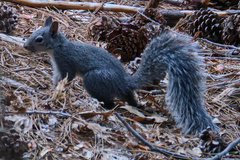
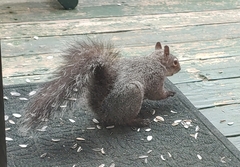
The western gray squirrel (Sciurus griseus) is a tree squirrel found along the western coast of the United States and Mexico. In some places, this species has also been known as the silver-gray squirrel, the California gray squirrel, the Oregon gray squirrel, the Columbian gray squirrel and the banner-tail.
In some landscapes, the western gray squirrel has lost habitat or experienced local extinction due to competition with other squirrel species and other pressures on their population. The western gray squirrel was first described by George Ord in 1818 based on notes taken by Lewis and Clark at The Dalles in Wasco County, Oregon.
Sciurus griseus is the largest tree squirrel in the Sierra Nevada and Central California range. It has plantigrade, pentadactyl feet with two phalanges. Compared with the eastern gray squirrel S. carolinensis or the fox squirrel S. niger (which... Wikipedia →
Sounds
Recording0:16
United States · 2023
© Gina Genduso · iNaturalist · CC BY-NC 4.0
Recording0:10
United States · 2024
© dunnahoo · iNaturalist · CC BY-NC 4.0
Recording0:04
United States · 2021
© bobbyjon · iNaturalist · CC BY-NC 4.0
Recent sightings of Western Gray Squirrel in Yosemite National Park
LIVEiNaturalistGlobal Distribution
Parks Where Found
| # | Park | Country | Daily sighting probability |
|---|---|---|---|
| 1 | Yosemite National Park | 🇺🇸 United States | |
| 2 | Sequoia and Kings Canyon National Parks | 🇺🇸 United States | |
| 3 | Redwood National Park | 🇺🇸 United States |
Cities Where Found
| # | City | Country | Daily sighting probability |
|---|---|---|---|
| 1 | Sacramento | 🇺🇸 United States | |
| 2 | Los Angeles | 🇺🇸 United States | |
| 3 | Portland | 🇺🇸 United States | |
| 4 | San Francisco | 🇺🇸 United States |
Zoos & Centres Where Found
| # | Zoo / Centre | Country | |
|---|---|---|---|
| 1 | Charles Paddock Zoo | 🇺🇸 United States |
Closest Relatives at Yosemite National Park


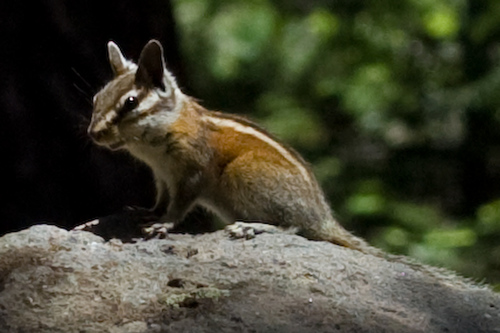

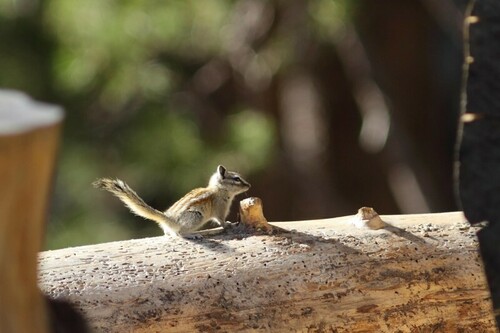


Before you go
What are the chances of seeing a Western Gray Squirrel in Yosemite National Park?
Likely
About 40% of wildlife watchers report a Western Gray Squirrel sighting in Yosemite National Park on a given day, based on 295 verified sightings from GBIF citizen-science data from 2019 to 2026. It is the 7th most-seen of the 21 mammals we can rate there. Over three days the chance rises to about 80%, and over a week to over 90%, if each day is a fresh chance.
When is the best time to see a Western Gray Squirrel in Yosemite National Park?
February
In that month about 70% of wildlife watchers report a Western Gray Squirrel in Yosemite National Park on a given day, against about 20% in July and August, the lowest months. That is one of Yosemite National Park's wettest months, with about 170 mm of rain against 25 mm in September.
What time of day is best to see a Western Gray Squirrel?
Between 8 and 11 am
Across all the parks we cover, that three-hour window holds the most Western Gray Squirrel sightings with a recorded time, and about 9 in 10 of them come between 6 am and 6 pm: it is a daytime animal.
Is Yosemite National Park the best place to see a Western Gray Squirrel?
Yes
Of the 3 parks where we can rate Western Gray Squirrel sightings, Yosemite National Park has the highest daily chance: about 40%. Next come Sequoia and Kings Canyon National Parks (United States, about 30%) and Redwood National Park (United States, about 10%).
Which relatives of the Western Gray Squirrel live in Yosemite National Park?
Same family: Sciuridae
The closest relatives of the Western Gray Squirrel that you can see in Yosemite National Park (family Sciuridae, Squirrels) are California Ground Squirrel (about 70%), Yellow-bellied Marmot (about 50%) and Douglas' Squirrel (about 40%), with each one's daily chance of a sighting.
Where does the Western Gray Squirrel sighting chance come from?
GBIF citizen-science records
It is estimated from how often the Western Gray Squirrel is recorded against all the mammals logged in Yosemite National Park (295 verified sightings from 2019 to 2026), calibrated against known sighting rates. Figures are rounded to the nearest 10% because citizen-science data supports honest approximations, not decimals, and months with records from fewer than five people show "—". How it works.
