


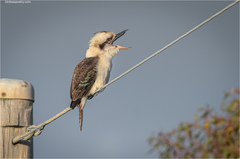
All 5 in 3 days here: <5%
City
Hobart
🇦🇺 Australia
Oceania, Australia 134 spp. recorded
Hobart is the capital and most populous city of the island state of Tasmania, Australia. Located in Tasmania's south-east on the estuary of the River Derwent, it is the southernmost capital city in Australia. Despite containing nearly half of Tasmania's population, Hobart is the least-populated Australian state capital city, and second-smallest by population and area after Darwin if territories are taken into account. Wikipedia
42.869° S 147.305° E
🦜 Nature

134 Species sighted
23,562 Verified sightings From 2019 to 2026
Apr Best month
⭐ Iconic Species
📊 Most Spotted
📊 Most Spotted

EN Endemic
 Eastern Quoll
Dasyurus viverrinus

LC
 Rakali
Hydromys chrysogaster

EN Endemic
 Tasmanian Devil
Sarcophilus harrisii
⭐ Iconic Species
📊 Most Spotted
📊 Most Spotted
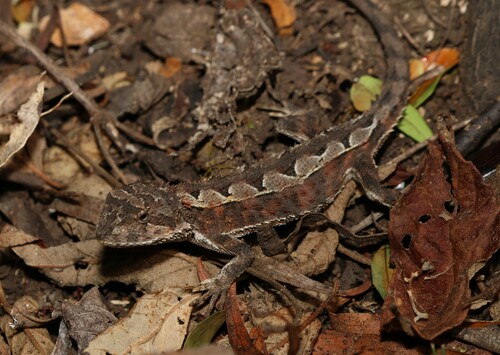
LC Endemic
 Mountain Dragon
Rankinia diemensis
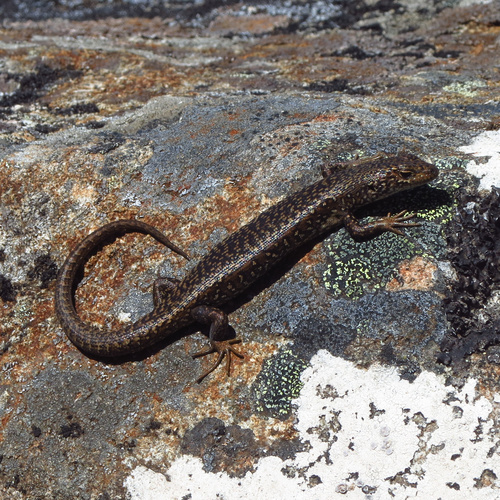
LC Endemic
 Ocellated Coolskink
Carinascincus ocellatus

LC Endemic
 White-lipped Snake
Drysdalia coronoides
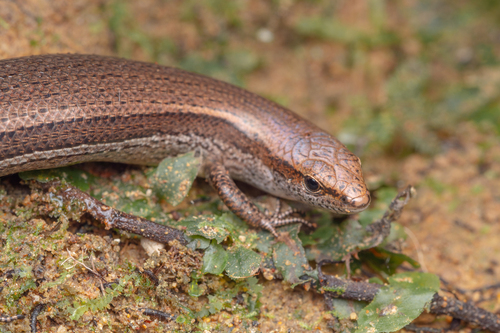
LC
 Delicate Skink
Lampropholis delicata

LC Endemic
Tasmanian Tree Skink
Carinascincus pretiosus
📊 Most Spotted

LC Endemic
 Spotted Grass Frog
Limnodynastes tasmaniensis

LC Endemic
Common Eastern Froglet
Crinia signifera
📊 Most Spotted
⭐ Iconic Species
🌙 Most active after dark

LC
 Australian Masked Owl
Tyto novaehollandiae
LC Endemic
Ocellated Coolskink
Carinascincus ocellatus
EN Endemic
Tasmanian Devil
Sarcophilus harrisii

LC
 Fallow Deer
Dama dama
Challenges you can complete here
Recent sightings in Hobart
LIVEiNaturalistWhere to look
Warmer areas are where all species together are recorded most often.
-
University of Tasmania Sandy Bay Campus
-
Hobart Rivulet Linear Park
-
Constitution Dock
Daily sight. prob.vs avg -
Long Beach and Sandown Park
Daily sight. prob.vs avg Silver Gull~90%+50%
 Noisy Miner~80%+70%
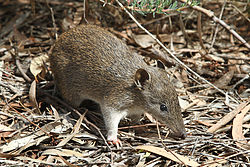
 Eastern Barred Bandicoot~80%+40%
 Galah~80%+60%
 Red-bellied Pademelon~80%+40%
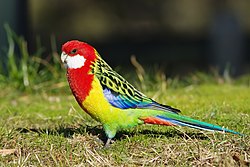 Eastern Rosella~80%+60%
 Rakali~50%+40%
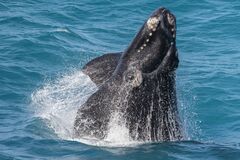 Southern Right Whale~50%+50%
-
Salamanca
Daily sight. prob.vs avg -
Princes Park
Daily sight. prob.vs avg -
Battery Point
Daily sight. prob.vs avg








Sighting Calendar
How many species you'd see in a day
21Jan
22Feb
21Mar
23Apr
20May
17Jun
16Jul
18Aug
20Sep
21Oct
19Nov
20Dec
🏙️ City
Essentials
Green cover
Medium
Protected land
0.3%
Protected sea
—
Protected areas
3
areasWildlife spots
12
spotsZoos & centres
0
placesClimate
Oceanic
Climate
Temp °C Rain mm
JanFebMarAprMayJunJulAugSepOctNovDec
0.0 Excellent
Wallace's Line Score
How good is this city for seeing wildlife? 🦜
Biodiversity
Very goodHow rich is the wildlife?
3.8
Species by taxon
🦅 Birds 276
🐒 Mammals 80
🦎 Reptiles 24
🐸 Amphibians 8
388 Total Species
679 Global average across 380 cities
43 Threatened 122 Endemic
🔭
Sighting
GoodHow likely to see animals?
3.9
🎯
Top-12 Avg Probability
61% 📊
Coverage (61 species at ≥5% of 388 in the inventory)
16% 🔀
Taxon variety in top 12 (11 bird, 1 mammal)
20% 🌟
Iconic-group species (≥15%) (every species from the 19 iconic groups — monkeys, cats, toucans, macaws, sloths, crocodilians… — not just the 4 highlighted above)
7 ⭐
High-prob species (>40%)
13 🏕️
Experience
GoodHow easy and pleasant is the visit?
3.2
Climate Harsh Low
Green cover Medium Medium
Protected land & sea 0.3% land Low
Protected areas 3 Medium
Wildlife spots 12 High
Zoos & centres 0 Low
What visitors say
Before you go
What animals can you see in Hobart?
134 species
Hobart's urban area has 134 recorded vertebrate species. The ones wildlife watchers report most often on a given day are Eurasian Blackbird (about 90%), Forest Raven (about 80%), Dominican Gull (about 70%), Silvereye (about 70%) and House Sparrow (about 70%). Among mammals, the most-seen is Red-bellied Pademelon (about 40%); among reptiles, Metallic Coolskink (about 10%).
When is the best time to see wildlife in Hobart?
June
In that month the city's 12 most-seen species average about 70% on a given day, against about 60% in July to May.
Can you see a Forest Raven in Hobart?
Yes
About 80% of wildlife watchers report a Forest Raven sighting in Hobart on a given day, based on 1,309 verified sightings from GBIF citizen-science data from 2019 to 2026. The best time is May and August (about 90%).
Can you see a Yellow Wattlebird in Hobart?
Yes
About 60% of wildlife watchers report a Yellow Wattlebird sighting in Hobart on a given day, based on 876 verified sightings from GBIF citizen-science data from 2019 to 2026. The best time is April–June and August (about 70%).
Can you see a Little Wattlebird in Hobart?
Yes
About 60% of wildlife watchers report a Little Wattlebird sighting in Hobart on a given day, based on 971 verified sightings from GBIF citizen-science data from 2019 to 2026. The best time is January–February, June and August–September (about 70%).
Where in Hobart is wildlife easiest to see?
University of Tasmania Sandy Bay Campus
The spot where most wildlife watchers record their sightings is University of Tasmania Sandy Bay Campus (53 bird species recorded), followed by Hobart Rivulet Linear Park and Hobart CBD. See them on the map.
Is Hobart good for wildlife watching?
3.9 out of 5
On the Wallace's Line Score, which rates each city against other cities, Hobart gets 3.9/5: 266th of 380 cities worldwide and 6th in Oceania. 18 of its species are reported by about 40% or more of wildlife watchers on a given day.
Nearest Cities


Nearest Parks


Nearest Zoos & Centres


Sources: urban area GHSL Urban Centre Database R2024A, European Commission JRC (CC BY 4.0) · protected land WDPA, UNEP-WCMC & IUCN (via GHSL) · climate NASA POWER · wildlife GBIF.org citizen-science data