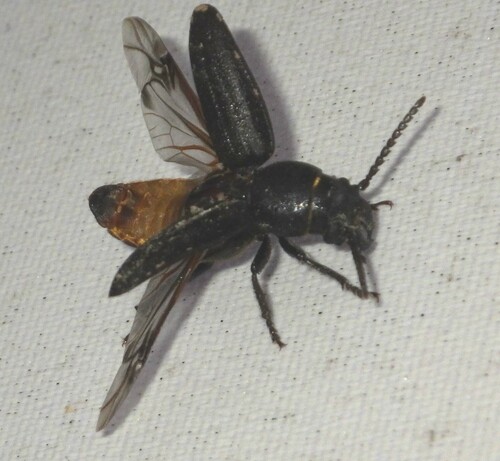
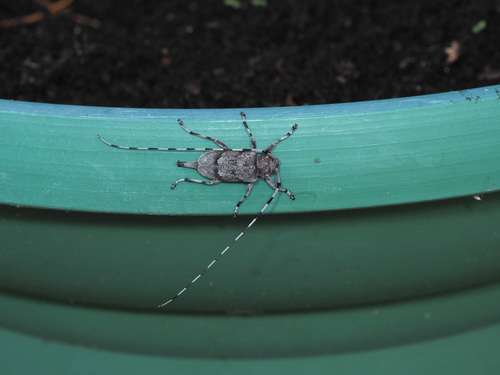
The Tanner

The Tanner

Prionus coriarius

Daily sighting probability ~40% · Likely
at Białowieża National Park

In 3 days ~80% in a week >90%

51 Verified sightings at Białowieża National Park From 2019 to 2026
145 In all 5 parks
August Best month
☀️🌙 Day & Night When it's spotted

About the The Tanner

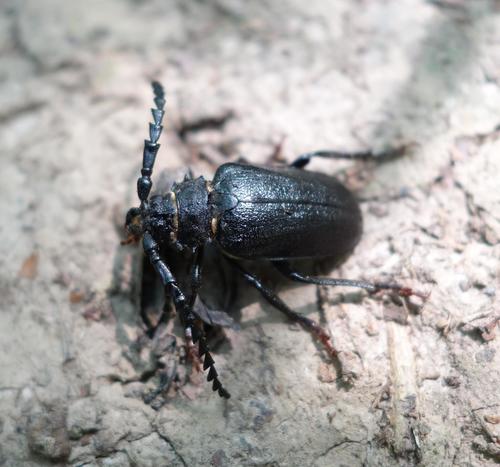
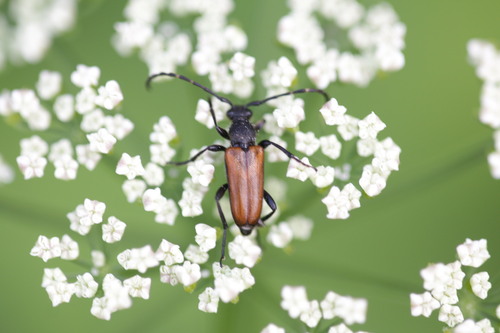
Prionus coriarius (sometimes referred to as "the tanner" or "the sawyer") is a species of longhorn beetle. Prionus coriarius can reach a length of 18–45 millimetres (0.71–1.77 in). It is the most massive of European beetles. The female is larger than the male. Body is shiny, dark brown to black. The neck shield bears on each side three clearly distinct teeth. The serrated antennae of the male are composed of 12 segments. The ventral surface of the female is hairless, while in the male is pubescent.

The larvae are polyphagous, but they mainly develop in rotten wood of deciduous and coniferous trees. They can reach a length of about 60 millimetres (2.4 in). The life cycle lasts at least 3 years. Adults can be found from July to September. Its activity is mainly crepuscular and nocturnal.

This species is common in most of Europe and it is present in North Africa and in the Near East (Turkey, Caucasus, Transcaucasia, Iran). Wikipedia →

Global Distribution

Parks Where Found

# Park Country Daily sighting probability
1 Białowieża National Park 🇵🇱 Poland
~40%
2 Bavarian Forest National Park 🇩🇪 Germany
~10%
3 Cévennes National Park 🇫🇷 France
~10%
4 Pyrénées National Park 🇫🇷 France
~10%
5 Sierra de Guadarrama National Park 🇪🇸 Spain
~10%

Cities Where Found

# City Country Daily sighting probability
1 Kharkiv 🇺🇦 Ukraine
~10%
2 Kyiv 🇺🇦 Ukraine
~10%
3 Moscow 🇷🇺 Russia
~10%
4 Porto 🇵🇹 Portugal
~10%
5 Essen 🇩🇪 Germany
~10%
6 Kazan 🇷🇺 Russia
~10%
7 Nizhny Novgorod 🇷🇺 Russia
~10%
8 Prague 🇨🇿 Czechia
~10%
9 Vienna 🇦🇹 Austria
~10%
10 Cologne 🇩🇪 Germany
<5%

Before you go

What are the chances of seeing a The Tanner in Białowieża National Park?

Likely

About 40% of wildlife watchers report a The Tanner sighting in Białowieża National Park on a given day, based on 51 verified sightings from GBIF citizen-science data from 2019 to 2026. It is the 3rd most-seen of the 158 insects we can rate there. Over three days the chance rises to about 80%, and over a week to over 90%, if each day is a fresh chance.

When is the best time to see a The Tanner in Białowieża National Park?

August

In that month about 70% of wildlife watchers report a The Tanner in Białowieża National Park on a given day, against under 5% in February–May and October–November, the lowest months.

What time of day is best to see a The Tanner?

Between 9 pm and midnight

Across all the parks we cover, that three-hour window holds the most The Tanner sightings with a recorded time, and about half of them come between 6 am and 6 pm: it is seen both by day and at night.

Is Białowieża National Park the best place to see a The Tanner?

Yes

Of the 5 parks where we can rate The Tanner sightings, Białowieża National Park has the highest daily chance: about 40%. Next come Bavarian Forest National Park (Germany, about 10%) and Cévennes National Park (France, about 10%).

Which relatives of the The Tanner live in Białowieża National Park?

Same family: Cerambycidae

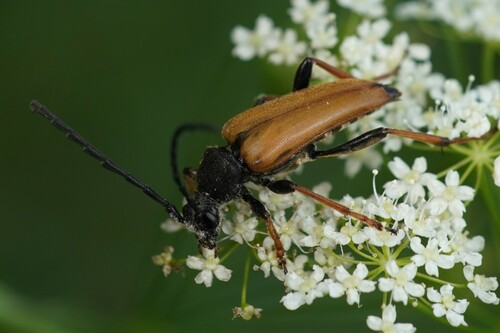
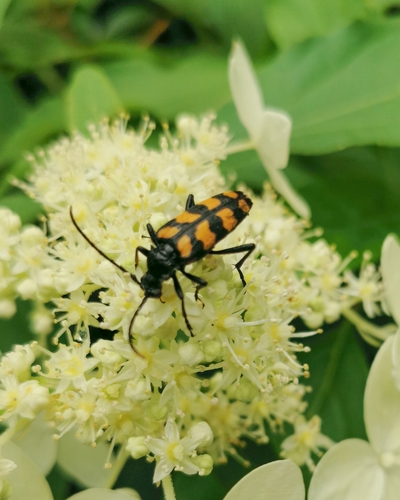
The closest relatives of the The Tanner that you can see in Białowieża National Park (family Cerambycidae, Longhorn Beetles) are Red Pine Longhorn Beetle (about 30%), Four-Banded Longhorn Beetle (about 20%) and Musk Beetle (about 20%), with each one's daily chance of a sighting.

Where does the The Tanner sighting chance come from?

GBIF citizen-science records

It is estimated from how often the The Tanner is recorded against all the insects logged in Białowieża National Park (51 verified sightings from 2019 to 2026), calibrated against known sighting rates. Figures are rounded to the nearest 10% because citizen-science data supports honest approximations, not decimals, and months with records from fewer than five people show "—". How it works.

← Back to Białowieża National Park