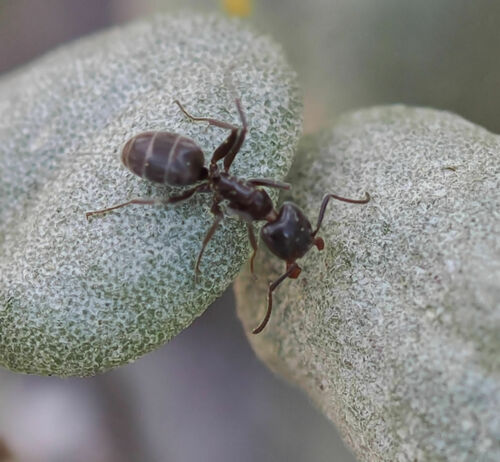
Dasymutilla vestita

Dasymutilla vestita

Dasymutilla vestita

Daily sighting probability ~10% · With luck
at Big Bend National Park

In 3 days ~20% in a week ~40%

11 Verified sightings at Big Bend National Park From 2019 to 2026
80 In all 6 parks
September Best month
☀️ Diurnal When it's spotted

About the Dasymutilla vestita

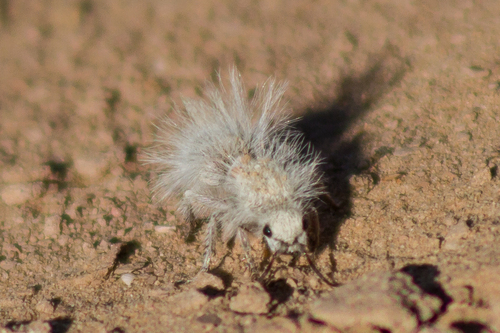
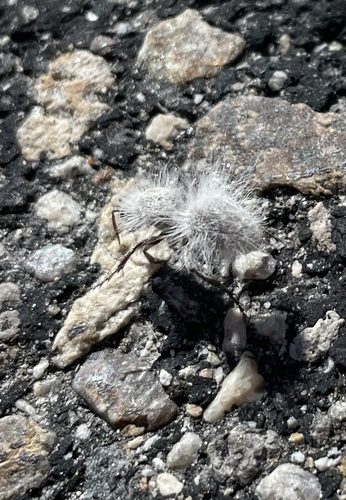
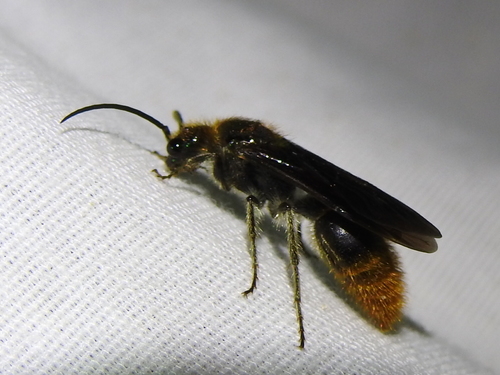
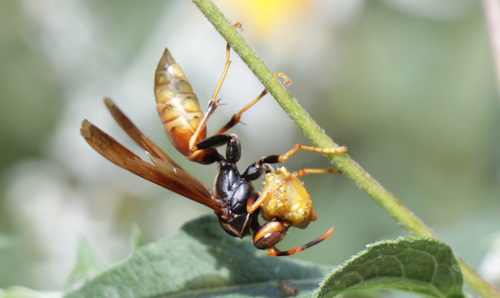
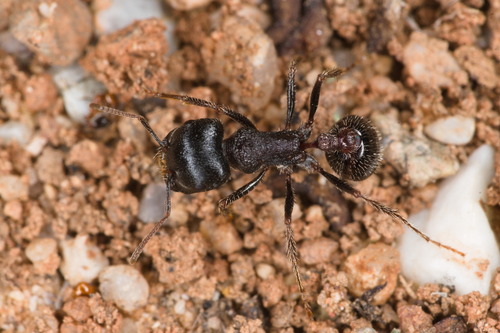
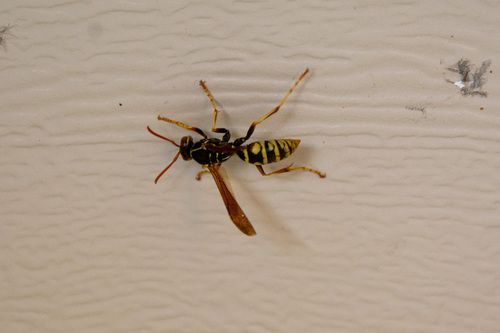
Dasymutilla vestita is a species of wasp belonging to the velvet ant Family, the Mutillidae. As in all the family, the females are wingless and look like very large, hairy ants, while males are winged and look like regular wasps. Beyond that, here are features helping with the identification of Dasymutilla vestita:

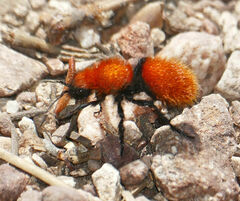
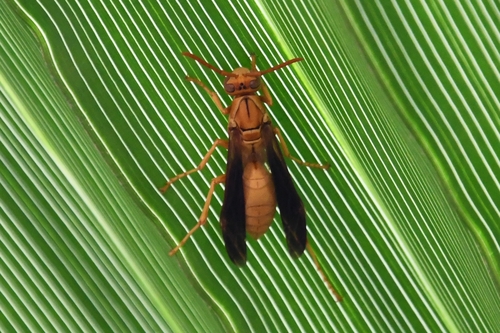
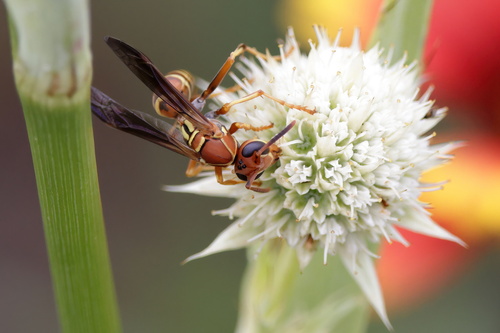
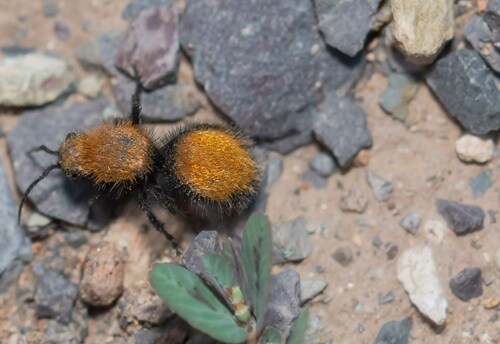
They are strikingly red and black. From above they look all red, except for black legs, the narrow mid-section, eyes and antennae. From the side they look all red on top except for the mid-section, and all black below. There is a definite, narrow constriction between the hind section, the metasoma, and the middle section, or mesosoma.

Body length is about 9.5 mm long. In Canada Dasymutilla vestita occurs in the provinces of Alberta and Saskatchewan. In the USA it is found throughout the western states as far east as Arkansas and Texas. In Mexico it is seen in the drier parts of the northern, eastern and central states south into Oaxaca, but is absent from the Yucatan Peninsula. In the USA it is regarded as one of the most common and widespread velvet ant species.

In the southwestern USA, Dasymutilla vestita has been recognized... Wikipedia →
Global Distribution

Parks Where Found

# Park Country Daily sighting probability
1 Zion National Park 🇺🇸 United States
~20%
2 Grand Canyon National Park 🇺🇸 United States
~10%
3 Big Bend National Park 🇺🇸 United States
~10%
4 Grand Teton National Park 🇺🇸 United States
~10%
5 Yellowstone National Park 🇺🇸 United States
~10%
6 Rocky Mountain National Park 🇺🇸 United States
<5%

Before you go

What are the chances of seeing a Dasymutilla vestita in Big Bend National Park?

With luck

About 10% of wildlife watchers report a Dasymutilla vestita sighting in Big Bend National Park on a given day, based on 11 verified sightings from GBIF citizen-science data from 2019 to 2026. It is the 155th most-seen of the 329 insects we can rate there. Over three days the chance rises to about 20%, and over a week to about 40%, if each day is a fresh chance.

When is the best time to see a Dasymutilla vestita in Big Bend National Park?

April–June, September and November

In those months about 10% of wildlife watchers report a Dasymutilla vestita in Big Bend National Park on a given day, against under 5% in July–August, October and December–March, the lowest months.

What time of day is best to see a Dasymutilla vestita?

Between 3 and 6 pm

Across all the parks we cover, that three-hour window holds the most Dasymutilla vestita sightings with a recorded time, and about 8 in 10 of them come between 6 am and 6 pm: it is a daytime animal.

Is Big Bend National Park the best place to see a Dasymutilla vestita?

3rd of 6

Of the 6 parks where we can rate Dasymutilla vestita sightings, Big Bend National Park ranks 3rd at about 10%. The best odds are in Zion National Park (United States, about 20%) and Grand Canyon National Park (United States, about 10%).

Where does the Dasymutilla vestita sighting chance come from?

GBIF citizen-science records

It is estimated from how often the Dasymutilla vestita is recorded against all the insects logged in Big Bend National Park (11 verified sightings from 2019 to 2026), calibrated against known sighting rates. Figures are rounded to the nearest 10% because citizen-science data supports honest approximations, not decimals, and months with records from fewer than five people show "—". How it works.

← Back to Big Bend National Park