Western Carpenter Bee

Western Carpenter Bee

Xylocopa californica

Daily sighting probability ~20% · Possible
at Big Bend National Park

In 3 days ~40% in a week ~70%

46 Verified sightings at Big Bend National Park From 2019 to 2026
319 In all 9 parks
June Best month
☀️ Diurnal When it's spotted

About the Western Carpenter Bee

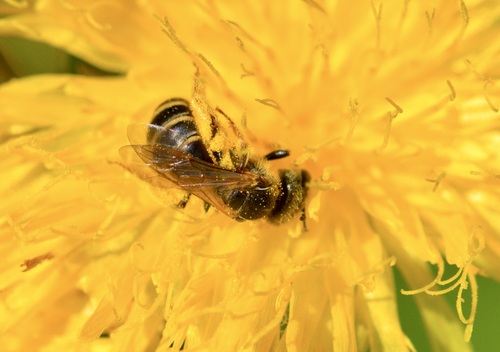
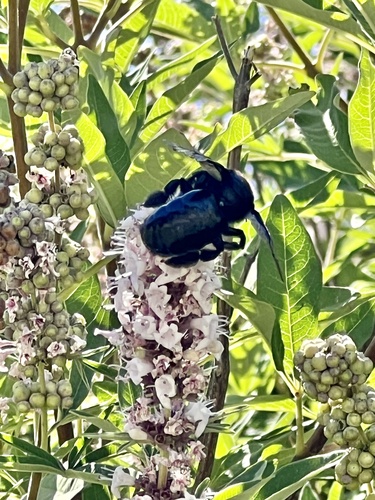
The California carpenter bee or Western carpenter bee, Xylocopa californica, is a species of carpenter bee in the order Hymenoptera, and it is native to western North America. There are approximately 400 species worldwide of the genus Xylocopa. X. californica is typically found in California, Nevada, Oregon, Washington, Utah, Arizona, New Mexico, Texas, and Northwestern Mexico. It is especially abundant, along with X. sonorina, in the Central Valley and in Southern California, including the Mojave Desert. They are agriculturally beneficial insects and pollinators of diverse California chaparral and woodlands and desert native plant species. This carpenter bee is active during hot seasons. Therefore, they are considered an endothermic insect as it absorbs heat in the desert conditions. As the bee absorbs too much heat in its body, it has to limit the time it flies and fly in the time of day in which it is cooler.

Their head is larger and thicker than their thorax; however, the size of the head differs between females and males. Female carpenter bees have bigger heads than males with more narrow heads. The California carpenter bee is all black, with... Wikipedia →
Global Distribution

Parks Where Found

# Park Country Daily sighting probability
1 Grand Canyon National Park 🇺🇸 United States
~30%
2 Guadalupe Mountains National Park 🇺🇸 United States
~20%
3 Big Bend National Park 🇺🇸 United States
~20%
4 Sequoia and Kings Canyon National Parks 🇺🇸 United States
~20%
5 Zion National Park 🇺🇸 United States
~10%
6 Saguaro National Park 🇺🇸 United States
~10%
7 Yosemite National Park 🇺🇸 United States
~10%
8 Bahía de Loreto National Park 🇲🇽 Mexico
~10%
9 Joshua Tree National Park 🇺🇸 United States
~10%

Cities Where Found

# City Country Daily sighting probability
1 Las Vegas 🇺🇸 United States
~10%
2 Torreón 🇲🇽 México
~10%
3 Mesa 🇺🇸 United States
~10%
4 San Diego 🇺🇸 United States
<5%
5 Los Angeles 🇺🇸 United States
<5%

Before you go

What are the chances of seeing a Western Carpenter Bee in Big Bend National Park?

Possible

About 20% of wildlife watchers report a Western Carpenter Bee sighting in Big Bend National Park on a given day, based on 46 verified sightings from GBIF citizen-science data from 2019 to 2026. It is the 36th most-seen of the 329 insects we can rate there. Over three days the chance rises to about 40%, and over a week to about 70%, if each day is a fresh chance.

When is the best time to see a Western Carpenter Bee in Big Bend National Park?

June and September–October

In those months about 30% of wildlife watchers report a Western Carpenter Bee in Big Bend National Park on a given day, against under 5% in January, the lowest month. Those are among Big Bend National Park's wettest months, with about 35 mm of rain a month against 10 mm in April.

What time of day is best to see a Western Carpenter Bee?

Between 11 am and 2 pm

Across all the parks we cover, that three-hour window holds the most Western Carpenter Bee sightings with a recorded time, and about 9 in 10 of them come between 6 am and 6 pm: it is a daytime animal.

Is Big Bend National Park the best place to see a Western Carpenter Bee?

3rd of 9

Of the 9 parks where we can rate Western Carpenter Bee sightings, Big Bend National Park ranks 3rd at about 20%. The best odds are in Grand Canyon National Park (United States, about 30%) and Guadalupe Mountains National Park (United States, about 20%).

Which relatives of the Western Carpenter Bee live in Big Bend National Park?

Same order: Hymenoptera

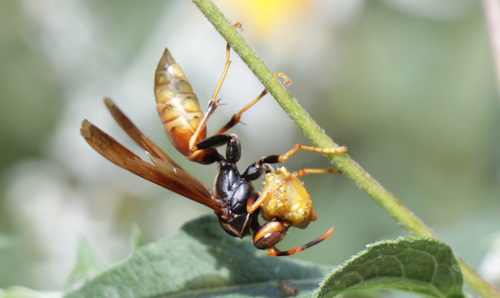
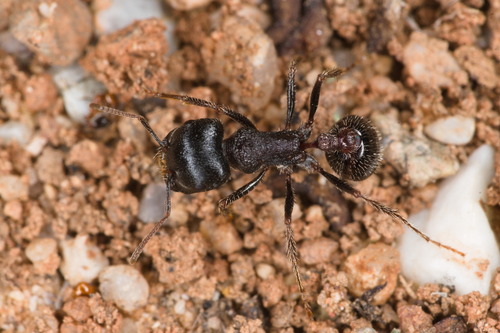
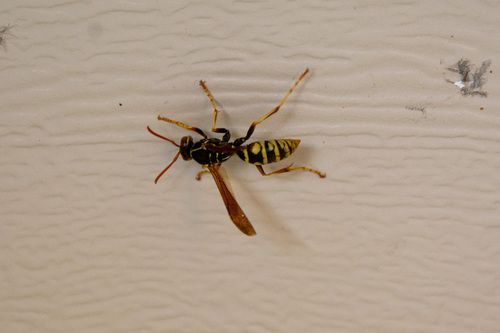
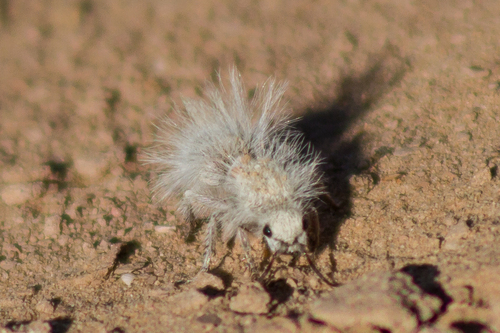
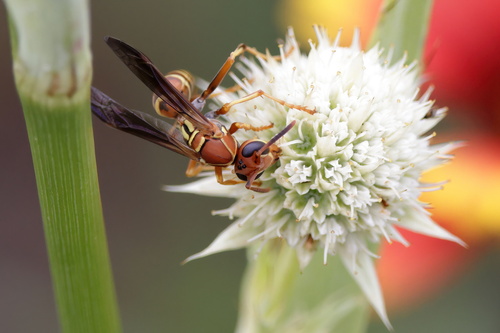
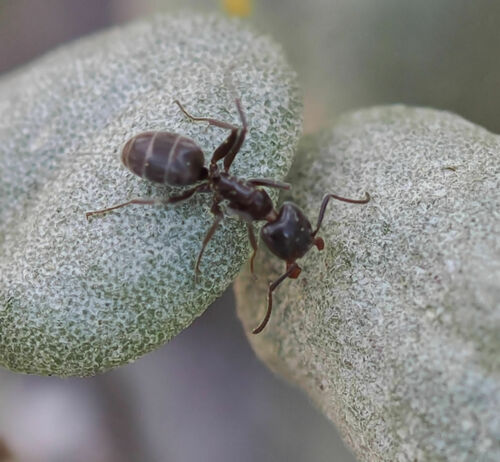
The closest relatives of the Western Carpenter Bee that you can see in Big Bend National Park (order Hymenoptera, Ants, Bees, Wasps, and Sawflies) are Comanche Paper Wasp (about 30%), Rough Harvester Ant (about 20%) and Golden Paper Wasp (about 10%), with each one's daily chance of a sighting.

Where does the Western Carpenter Bee sighting chance come from?

GBIF citizen-science records

It is estimated from how often the Western Carpenter Bee is recorded against all the insects logged in Big Bend National Park (46 verified sightings from 2019 to 2026), calibrated against known sighting rates. Figures are rounded to the nearest 10% because citizen-science data supports honest approximations, not decimals, and months with records from fewer than five people show "—". How it works.

← Back to Big Bend National Park