Blue and John Crow Mountains National Park
🇯🇲 Jamaica
Blue Mountains, Jamaica 373 spp. recorded
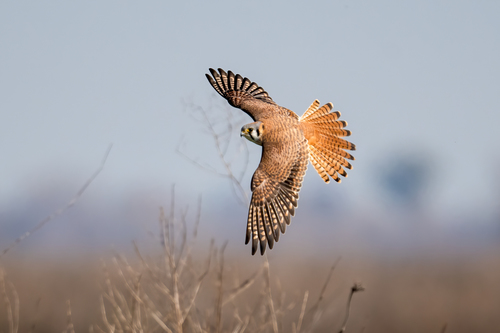
Rising sharply above the Caribbean Sea, Blue and John Crow Mountains National Park protects a steep tropical rainforest in eastern Jamaica. Dense vegetation blankets the rugged slopes, where narrow dirt trails wind through misty canopy and dense ferns.
18.044° N 76.497° W
🦜 Nature

128 Species sighted
33,120 Verified sightings From 2019 to 2026
Mar Best month
⭐ Iconic Species


📊 Most Spotted


📊 Most Spotted
⭐ Iconic Species
📊 Most Spotted
📊 Most Spotted





📊 Most Spotted



+ 254 more species with insufficient data
Recent sightings in Blue and John Crow Mountains National Park
LIVEiNaturalistSighting Calendar
How many species you'd see in a day
34Jan
34Feb
41Mar
33Apr
29May
3.7Jun
33Jul
27Aug
26Sep
28Oct
33Nov
35Dec
Sighting Zones
Warmer areas are where all species together are recorded most often.
-
Ecclesdown Road
Daily sight. prob.vs avg -
Starlight Chalet
-
Start Of Ecclesdown Road



🏕️ Experience
Essentials
Climate
Temp °C Rain mm
JanFebMarAprMayJunJulAugSepOctNovDec
0.0 Good
Wallace's Line Score
How good is this park for seeing wildlife? 🦜
Biodiversity
GoodHow rich is the wildlife?
3.0
Species by taxon
🦅 Birds 261
🐒 Mammals 56
🦎 Reptiles 39
🐸 Amphibians 17
373 Total Species
828 Global average across 316 parks
57 Threatened 106 Endemic
🔭
Sighting
Very goodHow likely to see animals?
3.6
🎯
Top-12 Avg Probability
82% 📊
Coverage (93 species at ≥5% of 373 in the inventory)
25% 🔀
Taxon variety in top 12 (12 bird)
0% 🔭
Species per 10 outings (distinct species a visitor would meet over 10 outings — effort held equal across parks)
70 🌟
Iconic-group species (≥15%) (every species from the 19 iconic groups — monkeys, cats, toucans, macaws, sloths, crocodilians… — not just the 4 highlighted above)
9 ⭐
High-prob species (>40%)
37 🏕️
Experience
Very goodHow easy and pleasant is the visit?
3.9
Climate Pleasant High
Entrance Paid Low
Tourism Medium Medium
Trails Hard Low
World Heritage Yes Bonus
What visitors say
On our final sortie into the mountains, from the east, we saw 3 elusive species: Eastern Chat-Tanager (scope view of a singing bird), White-fronted Quail-Dove, and Ruddy Quail-Dove.
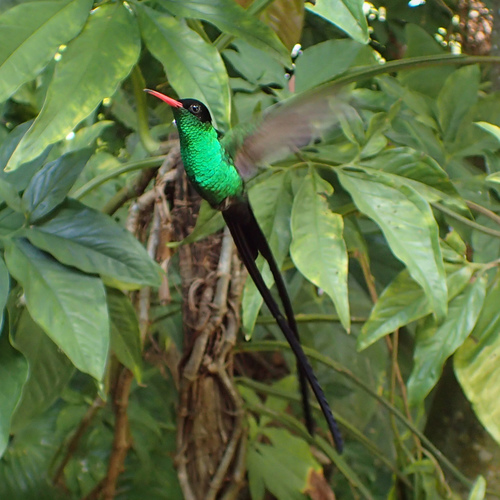
The birding and herping was excellent on the grounds of our ecolodge, and we found gems such as the tiny Vervain Hummingbird, our first Jamaican Owls (heard-only for most, unfortunately), a curious pair of Chestnut-bellied Cuckoos and several showy Black-billed Streamertails.
We saw the crested quail-dove in the highlands of the Blue Mountains in Blue and John Crow Mountain National Park, which raises a number of geographical questions in my mind that I try to answer first, before getting to the dove.
This road is popular as an easy access site to see most of the dove species found in the island, outside of the more widespread species, we were finally able to connect with Caribbean Dove and Ruddy Quail-Dove, the latter is probably the most skittish bird we had the whole trip.
Before you go
What animals can you see in Blue and John Crow Mountains National Park?
373 species
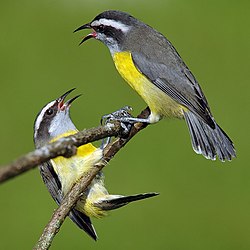
Blue and John Crow Mountains National Park has 373 recorded vertebrate species. The ones wildlife watchers report most often on a given day are White-chinned Thrush (about 90%), Bananaquit (about 90%), Orangequit (about 90%), Jamaican Spindalis (about 90%) and Loggerhead Kingbird (about 90%). Among reptiles, the most-seen is Bluefields Anole (about 60%); among amphibians, Jamaican Laughing Frog (about 20%).
When is the best time to visit Blue and John Crow Mountains National Park for wildlife?
February and March
In those months the park's 12 most-seen species average about 90% on a given day, against about 70% in May and August–September.
Can you see a Streamertail in Blue and John Crow Mountains National Park?
Yes
About 60% of wildlife watchers report a Streamertail sighting in Blue and John Crow Mountains National Park on a given day, based on 967 verified sightings from GBIF citizen-science data from 2019 to 2026. The best time is April (about 70%).
Can you see a Jamaican Tody in Blue and John Crow Mountains National Park?
Yes
About 80% of wildlife watchers report a Jamaican Tody sighting in Blue and John Crow Mountains National Park on a given day, based on 907 verified sightings from GBIF citizen-science data from 2019 to 2026. The best time is January and March (about 90%).
Can you see a Black-billed Parrot in Blue and John Crow Mountains National Park?
Yes
About 40% of wildlife watchers report a Black-billed Parrot sighting in Blue and John Crow Mountains National Park on a given day, based on 385 verified sightings from GBIF citizen-science data from 2019 to 2026. The best time is July and October (about 50%).
Where in Blue and John Crow Mountains National Park is wildlife easiest to see?
Around Ecclesdown Road
The richest sighting zone is around Ecclesdown Road, followed by Starlight Chalet and Start Of Ecclesdown Road, ranked by how many of the park's headline animals visitors can expect to see in each. See the zones on the map.
Is Blue and John Crow Mountains National Park good for wildlife watching?
3.4 out of 5
On the Wallace's Line Score, Blue and John Crow Mountains National Park rates 3.4/5: 225th of 316 parks worldwide and 33rd in Central America. 43 of its species are reported by about 40% or more of wildlife watchers on a given day.