Golden-Ringed Dragonfly

Golden-Ringed Dragonfly

Cordulegaster boltonii

Daily sighting probability ~20% · Possible
at Cairngorms National Park

In 3 days ~50% in a week ~80%

49 Verified sightings at Cairngorms National Park From 2019 to 2026
436 In all 9 parks
June Best month
☀️ Diurnal When it's spotted

About the Golden-Ringed Dragonfly

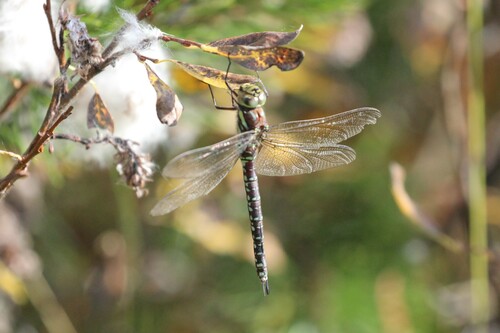
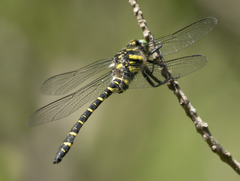
The golden-ringed dragonfly (Cordulegaster boltonii) is a large, striking species of dragonfly found widely in Europe and locally in northwestern Africa, especially near flowing waters like streams. It is the longest British species of dragonfly, and the only member of its genus to be found in the United Kingdom.

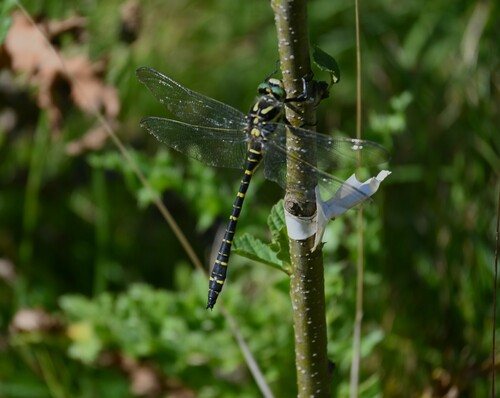
In the United Kingdom, they are easily identified by their distinctive black and yellow stripes, which is not found in any other dragonfly in the country. A very large species, males average 74 mm (2.9 in) and the longer females average 84 mm (3.3 in). Wingspan is up to 101 mm (4.0 in). The female is the longest British dragonfly, in part due to the unusually long ovipositor, and in other measurements it is exceeded by the emperor (Anax imperator).

The female lays the eggs in shallow water. The hairy larvae live at the bottom of the water and are well camouflaged amongst the silt. They emerge after about 2–5 years, and usually under the cover of darkness. They are often seen flying leisurely over mountain streams or a river; they also occasionally show up at a pond. They are also typically seen flying over heath land. Their... Wikipedia →
Global Distribution

Parks Where Found

# Park Country Daily sighting probability
1 Snowdonia National Park 🇬🇧 United Kingdom
~20%
2 Cairngorms National Park 🇬🇧 United Kingdom
~20%
3 Cévennes National Park 🇫🇷 France
~20%
4 Pyrénées National Park 🇫🇷 France
~20%
5 Sierra Nevada National Park 🇪🇸 Spain
~20%
6 Picos de Europa National Park 🇪🇸 Spain
~20%
7 Aigüestortes National Park 🇪🇸 Spain
~20%
8 Sierra de Guadarrama National Park 🇪🇸 Spain
~10%
9 Bavarian Forest National Park 🇩🇪 Germany
~10%

Cities Where Found

# City Country Daily sighting probability
1 Porto 🇵🇹 Portugal
~10%
2 Lisbon 🇵🇹 Portugal
<5%

Before you go

What are the chances of seeing a Golden-Ringed Dragonfly in Cairngorms National Park?

Possible

About 20% of wildlife watchers report a Golden-Ringed Dragonfly sighting in Cairngorms National Park on a given day, based on 49 verified sightings from GBIF citizen-science data from 2019 to 2026. It is the 31st most-seen of the 300 insects we can rate there. Over three days the chance rises to about 50%, and over a week to about 80%, if each day is a fresh chance.

When is the best time to see a Golden-Ringed Dragonfly in Cairngorms National Park?

June and July

In those months about 30% of wildlife watchers report a Golden-Ringed Dragonfly in Cairngorms National Park on a given day, against under 5% in September and December–May, the lowest months.

What time of day is best to see a Golden-Ringed Dragonfly?

Between 11 am and 2 pm

Across all the parks we cover, that three-hour window holds the most Golden-Ringed Dragonfly sightings with a recorded time, and about 9 in 10 of them come between 6 am and 6 pm: it is a daytime animal.

Is Cairngorms National Park the best place to see a Golden-Ringed Dragonfly?

Among the best

Of the 9 parks where we can rate Golden-Ringed Dragonfly sightings, Cairngorms National Park ranks 2nd at about 20%, level with the leaders once rounded. The best odds are in Snowdonia National Park (United Kingdom, about 20%).

Which relatives of the Golden-Ringed Dragonfly live in Cairngorms National Park?

Same order: Odonata

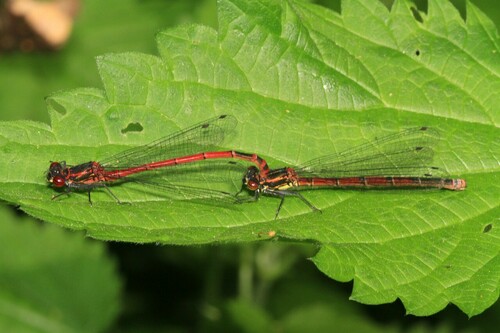
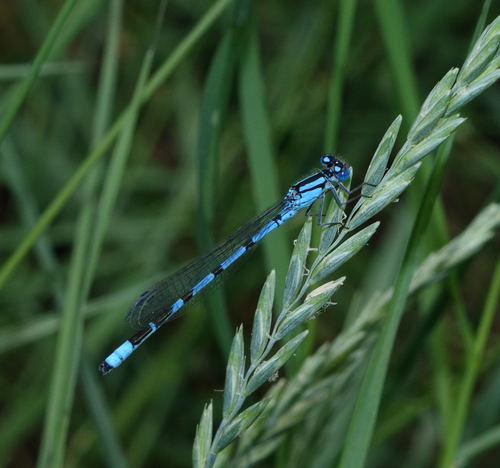
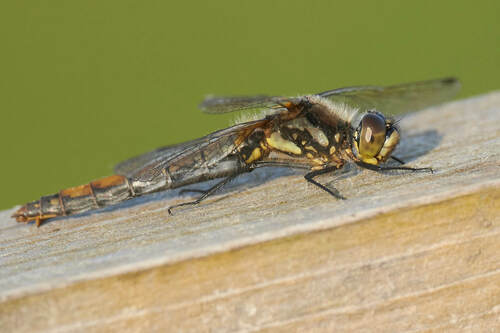
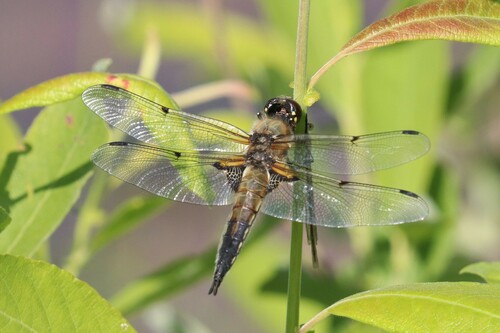
The closest relatives of the Golden-Ringed Dragonfly that you can see in Cairngorms National Park (order Odonata, Dragonflies and Damselflies) are Large Red Damselfly (about 30%), Common Blue Damselfly (about 30%) and Black Meadowhawk (about 30%), with each one's daily chance of a sighting.

Where does the Golden-Ringed Dragonfly sighting chance come from?

GBIF citizen-science records

It is estimated from how often the Golden-Ringed Dragonfly is recorded against all the insects logged in Cairngorms National Park (49 verified sightings from 2019 to 2026), calibrated against known sighting rates. Figures are rounded to the nearest 10% because citizen-science data supports honest approximations, not decimals, and months with records from fewer than five people show "—". How it works.

← Back to Cairngorms National Park