Aquarium
Aquarium du Québec
🇨🇦 Canada
🐠 Aquarium, Canada 124 spp. present
Aquarium du Québec (English: Aquarium of Quebec) is a public aquarium located in the former city of Sainte-Foy in Quebec City, Quebec, Canada. The 16-hectare (40-acre) facility is home to more than 10,000 animals representing more than 300 species. It is operated by Société des établissements de plein air du Québec (Sépaq), and is a member of the Canadian Association of Zoos and Aquariums (CAZA) and the Association of Zoos and Aquariums (AZA). Wikipedia (CC BY-SA)
46.751° N 71.288° W
🎟️ Visit

Essentials
Entrance
—
Tourism
High
Species present
124
speciesOpened
1959
Size
Medium
Visit
Getting there
- Address
- 1675 Avenue des Hôtels, Québec G1W 4S3
Who runs it
- Run by
- Sépaq
What visitors say
🐠 Animals in captivity






Before you go
Where is Aquarium du Québec?
Canada
Aquarium du Québec is an aquarium in Canada, at 1675 Avenue des Hôtels, Québec G1W 4S3. Its coordinates are 46.751° N, 71.288° W. The nearest national park in our atlas is Acadia National Park, about 354 km away.
What animals can you see at Aquarium du Québec?
124 species
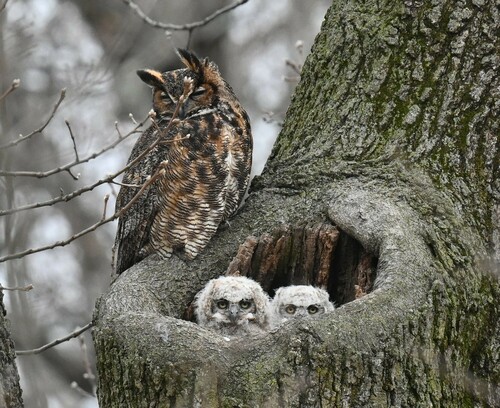
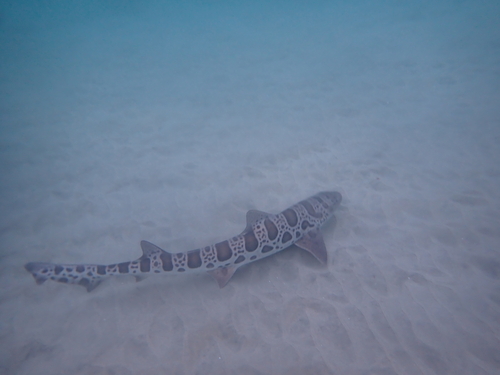
Citizen-science photos record 124 species at Aquarium du Québec, including Polar Bear, Arctic Fox, Harbor Seal, Walrus and Great Horned Owl. Those with a page of their own in our atlas show the odds of seeing them in the wild.
Where can you see the animals of Aquarium du Québec in the wild?
Polar Bear: Svalbard
Some of the animals photographed at Aquarium du Québec also live in the parks and cities we cover: Polar Bear (about 80% of wildlife watchers report it on a given day in Svalbard), Arctic Fox (about 80% of wildlife watchers report it on a given day in Svalbard) and Harbor Seal (about 80% of wildlife watchers report it on a given day in Kenai Fjords National Park).
When did Aquarium du Québec open and how big is it?
Opened 1959, 11 ha
Aquarium du Québec, an aquarium in Canada, opened in 1959 and covers about 11 ha, according to Wikidata and OpenStreetMap. Today 124 species are photographed there.
Nearest Zoos & Centres


Nearest Parks


Nearest Cities


Sources: © OpenStreetMap contributors (ODbL) · Wikidata (CC0) · iNaturalist observers · Wikipedia (CC BY-SA)