Aquarium
Dubai Aquarium and Underwater Zoo
🇦🇪 United Arab Emirates
🐠 Aquarium, United Arab Emirates 118 spp. present
The Dubai Aquarium and Underwater Zoo is a public aquarium located in the Dubai Mall. It is the biggest aquarium in Dubai and one of the largest in the world. It has the largest glass tank viewing panel at 107 feet wide and 27 feet tall. Wikipedia (CC BY-SA)
25.198° N 55.278° E
🎟️ Visit

Essentials
Entrance
—
Tourism
High
Species present
118
speciesOpened
2008
Size
—
Visit
Getting there
- Access
- Wheelchair accessible
Who runs it
- Owned by
- Emaar Properties
What visitors say
🐠 Animals in captivity

 Sand Tiger Shark
Carcharias taurus






LC
 Gentoo Penguin
Pygoscelis papua
Before you go
Where is Dubai Aquarium and Underwater Zoo?
Dubai, United Arab Emirates
Dubai Aquarium and Underwater Zoo is an aquarium in Dubai, United Arab Emirates. Its coordinates are 25.198° N, 55.278° E. The nearest national park in our atlas is Gir National Park, about 1,653 km away.
What animals can you see at Dubai Aquarium and Underwater Zoo?
118 species
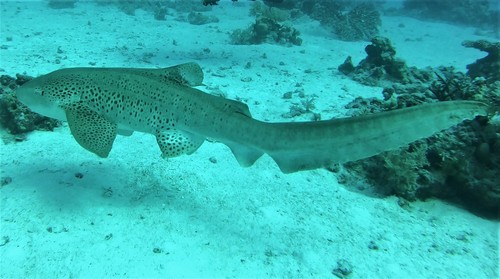
Citizen-science photos record 118 species at Dubai Aquarium and Underwater Zoo, including Sand Tiger Shark, Bonnethead, White-spotted Eagle Ray, Zebra Shark and Common Barn-Owl. Those with a page of their own in our atlas show the odds of seeing them in the wild.
Where can you see the animals of Dubai Aquarium and Underwater Zoo in the wild?
Bonnethead: Padre Island National Seashore
Some of the animals photographed at Dubai Aquarium and Underwater Zoo also live in the parks and cities we cover: Bonnethead (about 40% of wildlife watchers report it on a given day in Padre Island National Seashore), White-spotted Eagle Ray (about 60% of wildlife watchers report it on a given day in Galápagos Islands) and Zebra Shark (about 40% of wildlife watchers report it on a given day in Ningaloo Marine Park).
When did Dubai Aquarium and Underwater Zoo open?
Opened 2008
Dubai Aquarium and Underwater Zoo, an aquarium in Dubai, United Arab Emirates, opened in 2008, according to Wikidata and OpenStreetMap. Today 118 species are photographed there.
Nearest Zoos & Centres


Nearest Parks


Sources: © OpenStreetMap contributors (ODbL) · Wikidata (CC0) · iNaturalist observers · Wikipedia (CC BY-SA)