












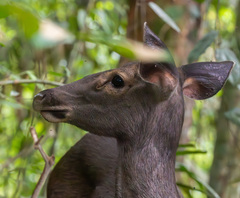

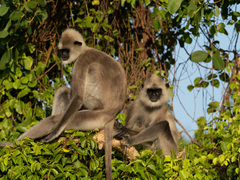
All 4 in 3 days here: >90%
Ranthambore National Park
🇮🇳 India
Indian Subcontinent, India 673 spp. recorded
Ranthambore National Park lies in Rajasthan, India, and spreads across a mosaic of tropical dry forest, scrubland and striking sandstone hills that rise from the surrounding plains. The terrain’s mix of dense thickets, open grass patches and seasonal waterholes gives the park a character distinct from the evergreen jungles of the northeast.
26.016° N 76.469° E
🦜 Nature

333 Species sighted
64,419 Verified sightings From 2019 to 2026
Oct Best month
⭐ Iconic Species
📊 Most Spotted
⭐ Iconic Species
📊 Most Spotted
📊 Most Spotted
⭐ Iconic Species
📊 Most Spotted
📊 Most Spotted
⭐ Iconic Species
🌙 Most active after dark
+ 395 more species with insufficient data
Challenges you can complete here

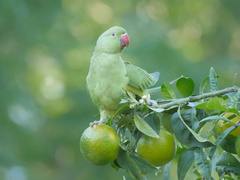


All 5 in 3 days here: ~10%
Recent sightings in Ranthambore National Park
LIVEiNaturalistSighting Calendar
How many species you'd see in a day
49Jan
60Feb
50Mar
50Apr
54May
54Jun
46Jul
39Aug
43Sep
60Oct
48Nov
50Dec
Sighting Zones
Warmer areas are where all species together are recorded most often.
-
Malik Talab
Daily sight. prob.vs avg -
Nal Ghati
Daily sight. prob.vs avg -
Khilchipur Village




🏕️ Experience
Essentials
Entrance
Paid
Tourism
Medium
Typical stay
2–3
daysTrails
Easy
World Heritage
No
Climate
Temp °C Rain mm
JanFebMarAprMayJunJulAugSepOctNovDec
0.0 World-class
Wallace's Line Score
How good is this park for seeing wildlife? 🦜
Biodiversity
GoodHow rich is the wildlife?
4.0
Species by taxon
🦅 Birds 512
🐒 Mammals 86
🦎 Reptiles 64
🐸 Amphibians 11
673 Total Species
828 Global average across 316 parks
48 Threatened 10 Endemic
🔭
Sighting
ExcellentHow likely to see animals?
4.9
🎯
Top-12 Avg Probability
79% 📊
Coverage (193 species at ≥5% of 673 in the inventory)
29% 🔀
Taxon variety in top 12 (6 bird, 5 mammal, 1 reptile)
76% 🔭
Species per 10 outings (distinct species a visitor would meet over 10 outings — effort held equal across parks)
151 🌟
Iconic-group species (≥15%) (every species from the 19 iconic groups — monkeys, cats, toucans, macaws, sloths, crocodilians… — not just the 4 highlighted above)
28 ⭐
High-prob species (>40%)
42 🏕️
Experience
ExcellentHow easy and pleasant is the visit?
4.4
Climate Mixed Medium
Entrance Paid Low
Tourism Low High
Trails Easy High
World Heritage No —
What visitors say
We passed a couple of small lakes and spotted some crocodiles.
In the pool on one side of the gate we saw another Mugger crocodile.
We saw Noor, a 16 year old tiger and probably the oldest female tiger in Ranthambhore in Zone 6.
During the trek through the Kumbhalgarh Wildlife Sanctuary and game drives in Ranthambore National Park we saw many beautiful birds and fascinating animals - monkeys, antelopes, deer, a crocodile, frogs and the fresh footprints of a leopard.
Before you go
What animals can you see in Ranthambore National Park?
673 species
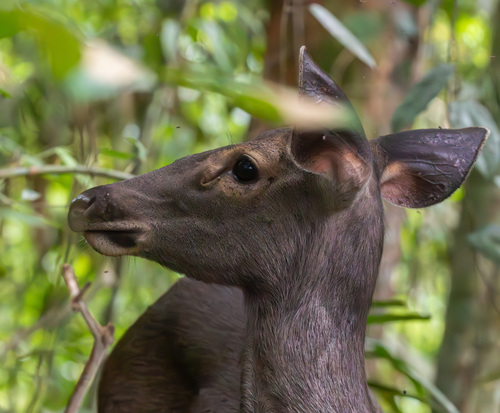
Ranthambore National Park has 673 recorded vertebrate species. The ones wildlife watchers report most often on a given day are Axis Deer (about 90%), Red-wattled Lapwing (about 80%), Rufous Treepie (about 80%), Northern Plains Gray Langur (about 80%) and Sambar (about 80%). Among reptiles, the most-seen is Mugger Crocodile (about 80%); among amphibians, Common Indian Toad (about 30%).
When is the best time to visit Ranthambore National Park for wildlife?
October to April
In those months the park's 12 most-seen species average about 80% on a given day, against about 50% in August.
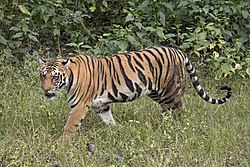
Can you see a Tiger in Ranthambore National Park?
Yes
About 80% of wildlife watchers report a Tiger sighting in Ranthambore National Park on a given day, based on 256 verified sightings from GBIF citizen-science data from 2019 to 2026. The best time is June (about 90%).
Can you see a Mugger Crocodile in Ranthambore National Park?
Yes
About 80% of wildlife watchers report a Mugger Crocodile sighting in Ranthambore National Park on a given day, based on 223 verified sightings from GBIF citizen-science data from 2019 to 2026. The best time is November to February (about 80%).
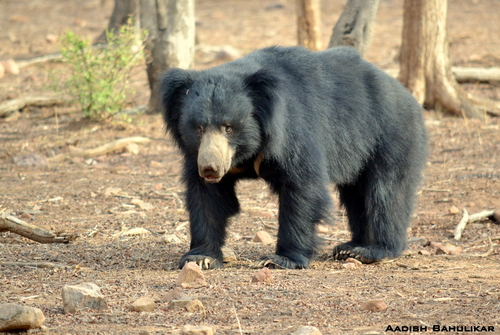
Can you see a Sloth Bear in Ranthambore National Park?
Yes
About 40% of wildlife watchers report a Sloth Bear sighting in Ranthambore National Park on a given day, based on 45 verified sightings from GBIF citizen-science data from 2019 to 2026. The best time is July (about 70%).
Can you see a Leopard in Ranthambore National Park?
Yes
About 40% of wildlife watchers report a Leopard sighting in Ranthambore National Park on a given day, based on 28 verified sightings from GBIF citizen-science data from 2019 to 2026. The best time is January, March and July–August (about 50%).
Where in Ranthambore National Park is wildlife easiest to see?
Around Malik Talab
The richest sighting zone is around Malik Talab, followed by Nal Ghati and Sultanpur Chowki, ranked by how many of the park's headline animals visitors can expect to see in each. See the zones on the map.
Is Ranthambore National Park good for wildlife watching?
4.7 out of 5
On the Wallace's Line Score, Ranthambore National Park rates 4.7/5: 42nd of 316 parks worldwide and 6th in Asia. 51 of its species are reported by about 40% or more of wildlife watchers on a given day.


