Zoo
Lithuanian Zoo
🇱🇹 Lithuania
🦒 Zoo or wildlife park, Lithuania 49 spp. present
Lithuanian Zoological Garden (Lithuanian: Lietuvos zoologijos sodas) previously known as Kaunas' Zoological Garden (Kauno zoologijos sodas) is the oldest scientific zoo in Lithuania. It is located in an Ąžuolynas oak grove park in the south-western Žaliakalnis elderate of Kaunas. The territory of the zoo is 15.66 hectares (38.7 acres). Wikipedia (CC BY-SA)
54.901° N 23.951° E
🎟️ Visit

Essentials
Entrance
—
Tourism
High
Species present
49
speciesOpened
1938
Size
Large
Visit
Opening hours
Mon · 11:00–20:00Tue–Sun · 10:00–20:00
Getting there
- Address
- Radvilėnų pl. 21, Kaunas
- Phone
- +370 37 332 540
- Access
- Partly wheelchair accessible
Who runs it
- Founded by
- Tadas Ivanauskas
What visitors say
🦒 Animals in captivity




Before you go
Where is Lithuanian Zoo?
Lithuania
Lithuanian Zoo is a zoo or wildlife park in Lithuania, at Radvilėnų pl. 21, Kaunas. Its coordinates are 54.901° N, 23.951° E. The nearest national park in our atlas is Biebrza National Park, about 199 km away.
What animals can you see at Lithuanian Zoo?
49 species
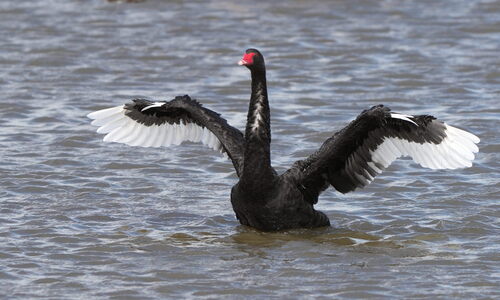
Citizen-science photos record 49 species at Lithuanian Zoo, including Eurasian Lynx, Domestic Bactrian Camel, Pied Imperial Pigeon, Great White Pelican and Black Swan. Those with a page of their own in our atlas show the odds of seeing them in the wild.
Where can you see the animals of Lithuanian Zoo in the wild?
Eurasian Lynx: Hemis National Park
Some of the animals photographed at Lithuanian Zoo also live in the parks and cities we cover: Eurasian Lynx (about 20% of wildlife watchers report it on a given day in Hemis National Park), Domestic Bactrian Camel (about 40% of wildlife watchers report it on a given day in Gobi Gurvansaikhan National Park) and Pied Imperial Pigeon (about 40% of wildlife watchers report it on a given day in Komodo National Park).
When is Lithuanian Zoo open?
Mon · 11:00–20:00
According to its open map listing, Lithuanian Zoo is open Mon · 11:00–20:00; Tue–Sun · 10:00–20:00. Opening hours change with the season and on public holidays, so confirm them on the official website before you travel.
When did Lithuanian Zoo open and how big is it?
Opened 1938, 16 ha
Lithuanian Zoo, a zoo or wildlife park in Lithuania, opened in 1938 and covers about 16 ha, according to Wikidata and OpenStreetMap. Today 49 species are photographed there.
Nearest Zoos & Centres


Nearest Parks


Nearest Cities


Sources: © OpenStreetMap contributors (ODbL) · Wikidata (CC0) · iNaturalist observers · Wikipedia (CC BY-SA)