Gobi Gurvansaikhan National Park
🇲🇳 Mongolia
Central Asia, Mongolia 456 spp. recorded
Gobi Gurvansaikhan National Park is a vast protected region in southern Mongolia, spanning sweeping desert basins, gravel plains, and the dramatic rocky precipices of the Altai Mountains. Unlike monotonous sandy deserts, this high-altitude dry expanse combines towering cliffs with sparse scrublands, creating a rugged refuge for specialized Central Asian wildlife.
43.761° N 101.060° E
🦜 Nature

227 Species sighted
8,269 Verified sightings From 2019 to 2026
May Best month
⭐ Iconic Species


📊 Most Spotted


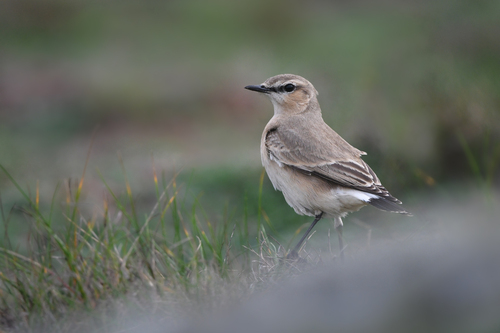


⭐ Iconic Species
📊 Most Spotted


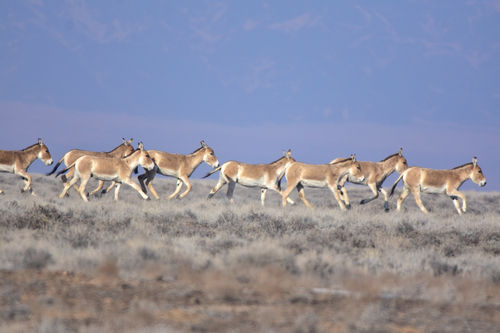

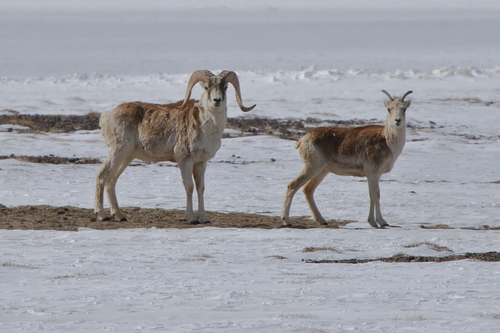

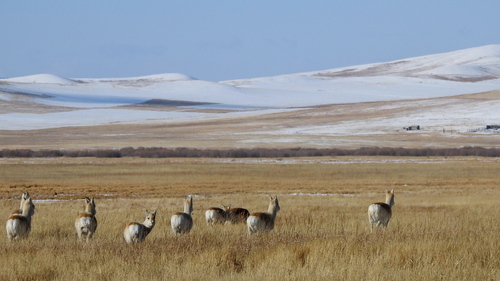


📊 Most Spotted


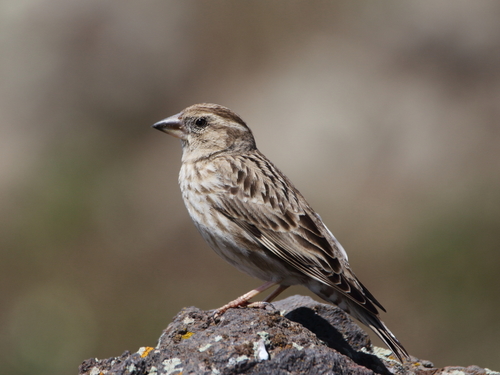
⭐ Iconic Species
📊 Most Spotted


📊 Most Spotted
⭐ Iconic Species
🌙 Most active after dark
+ 327 more species with insufficient data
Recent sightings in Gobi Gurvansaikhan National Park
LIVEiNaturalistSighting Calendar
How many species you'd see in a day
—
No data
Jan—
No data
Feb—
No data
Mar1.2Apr
36May
29Jun
26Jul
29Aug
20Sep
—
No data
Oct—
No data
Nov15Dec
Sighting Zones
Warmer areas are where all species together are recorded most often.
-
Yolyn Am, Umnugobi
-
Mukhar Shivert Valley, Gurvansaikhan Mt., Umnugovi
-
Khongorin Els
Daily sight. prob.vs avg


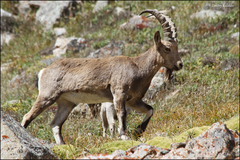


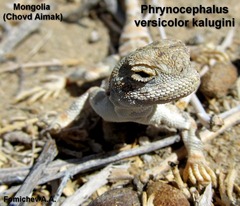


🏕️ Experience
Essentials
Entrance
Paid
Tourism
Low
Typical stay
4+
daysTrails
Easy
World Heritage
No
Climate
Temp °C Rain mm
JanFebMarAprMayJunJulAugSepOctNovDec
0.0 Good
Wallace's Line Score
How good is this park for seeing wildlife? 🦜
Biodiversity
GoodHow rich is the wildlife?
3.1
Species by taxon
🦅 Birds 353
🐒 Mammals 83
🦎 Reptiles 19
🐸 Amphibians 1
456 Total Species
828 Global average across 316 parks
23 Threatened 9 Endemic
🔭
Sighting
Very goodHow likely to see animals?
3.6
🎯
Top-12 Avg Probability
68% 📊
Coverage (130 species at ≥5% of 456 in the inventory)
29% 🔀
Taxon variety in top 12 (6 bird, 5 mammal, 1 reptile)
76% 🔭
Species per 10 outings (distinct species a visitor would meet over 10 outings — effort held equal across parks)
91 🌟
Iconic-group species (≥15%) (every species from the 19 iconic groups — monkeys, cats, toucans, macaws, sloths, crocodilians… — not just the 4 highlighted above)
11 ⭐
High-prob species (>40%)
31 🏕️
Experience
ExcellentHow easy and pleasant is the visit?
4.4
Climate Mixed Medium
Entrance Paid Low
Tourism Low High
Trails Easy High
World Heritage No —
Before you go
What animals can you see in Gobi Gurvansaikhan National Park?
456 species
Gobi Gurvansaikhan National Park has 456 recorded vertebrate species. The ones wildlife watchers report most often on a given day are Mongolian Pika (about 80%), Tuvan Toad-headed Agama (about 80%), Siberian Ibex (about 80%), Mongolian Jird (about 80%) and Horned Lark (about 70%). Among amphibians, the most-seen is Mongolian Toad (about 40%).
When is the best time to visit Gobi Gurvansaikhan National Park for wildlife?
May and June
In those months the park's 12 most-seen species average about 70% on a given day, against about 50% in September and December.
Can you see a Gobi Racerunner in Gobi Gurvansaikhan National Park?
Yes
About 50% of wildlife watchers report a Gobi Racerunner sighting in Gobi Gurvansaikhan National Park on a given day, based on 10 verified sightings from GBIF citizen-science data from 2019 to 2026.
Can you see a Goitered Gazelle in Gobi Gurvansaikhan National Park?
Yes
About 70% of wildlife watchers report a Goitered Gazelle sighting in Gobi Gurvansaikhan National Park on a given day, based on 32 verified sightings from GBIF citizen-science data from 2019 to 2026.
Where in Gobi Gurvansaikhan National Park is wildlife easiest to see?
Around Yolyn Am, Umnugobi
The richest sighting zone is around Yolyn Am, Umnugobi, followed by Mukhar Shivert Valley, Gurvansaikhan Mt., Umnugovi and Khongorin Els, ranked by how many of the park's headline animals visitors can expect to see in each. See the zones on the map.
Is Gobi Gurvansaikhan National Park good for wildlife watching?
3.4 out of 5
On the Wallace's Line Score, Gobi Gurvansaikhan National Park rates 3.4/5: 217th of 316 parks worldwide and 25th in Asia. 41 of its species are reported by about 40% or more of wildlife watchers on a given day.


