Zoo
Ninoy Aquino Parks & Wildlife Center
🇵🇭 Philippines
🦒 Zoo or wildlife park, Philippines 34 spp. present
The Ninoy Aquino Parks and Wildlife Center is a 23.85-hectare (58.9-acre) zoological and botanical garden located in Diliman, Quezon City, Philippines. It was named after Benigno "Ninoy" Aquino Jr. The Ninoy Aquino Parks & Wildlife Center has a lagoon, an aquarium, a playground, botanical garden and a Wildlife Rescue Center, which the Department of Environment and Natural Resources uses as a temporary shelter where confiscated, retrieved, donated, sick, abandoned, and injured wild animals are placed to be taken care of. The park houses several indigenous plants and animals such as crab-eating macaques, water monitors, Philippine deer, binturongs, Palawan bearded pigs and several varieties of Wikipedia (CC BY-SA)
14.651° N 121.044° E
🎟️ Visit

Essentials
Entrance
—
Tourism
High
Species present
34
speciesOpened
1954
Size
Large
What visitors say
🦒 Animals in captivity






Before you go
Where is Ninoy Aquino Parks & Wildlife Center?
Manila, Philippines
Ninoy Aquino Parks & Wildlife Center is a zoo or wildlife park in Manila, Philippines. Its coordinates are 14.651° N, 121.044° E. The nearest national park in our atlas is Sepilok, about 1,036 km away.
What animals can you see at Ninoy Aquino Parks & Wildlife Center?
34 species
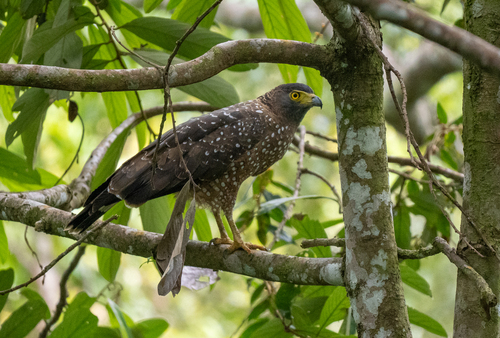
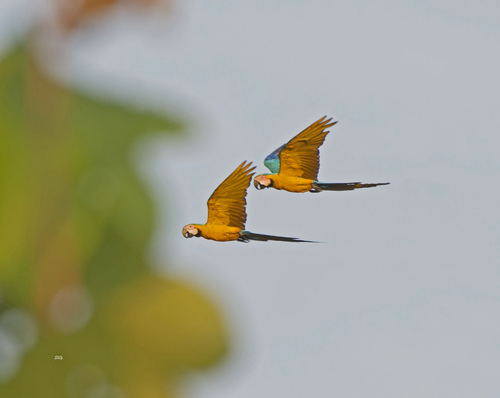
Citizen-science photos record 34 species at Ninoy Aquino Parks & Wildlife Center, including Brahminy Kite, White-Bellied Sea-Eagle, Philippine Serpent-Eagle, Saltwater Crocodile and Blue-and-yellow Macaw. Those with a page of their own in our atlas show the odds of seeing them in the wild.
Where can you see the animals of Ninoy Aquino Parks & Wildlife Center in the wild?
Brahminy Kite: Yala National Park
Some of the animals photographed at Ninoy Aquino Parks & Wildlife Center also live in the parks and cities we cover: Brahminy Kite (about 70% of wildlife watchers report it on a given day in Yala National Park), White-Bellied Sea-Eagle (about 80% of wildlife watchers report it on a given day in Komodo National Park) and Saltwater Crocodile (about 90% of wildlife watchers report it on a given day in Daintree National Park).
When did Ninoy Aquino Parks & Wildlife Center open and how big is it?
Opened 1954, 20 ha
Ninoy Aquino Parks & Wildlife Center, a zoo or wildlife park in Manila, Philippines, opened in 1954 and covers about 20 ha, according to Wikidata and OpenStreetMap. Today 34 species are photographed there.
Nearest Zoos & Centres


Nearest Cities


Sources: © OpenStreetMap contributors (ODbL) · Wikidata (CC0) · iNaturalist observers · Wikipedia (CC BY-SA)