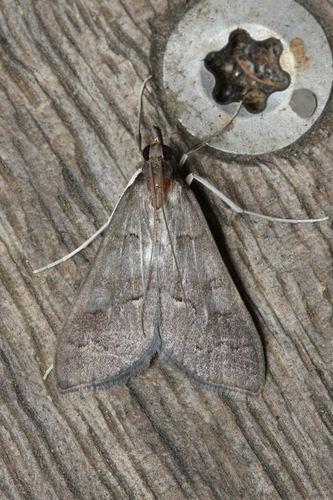
Lesser Pearl

Lesser Pearl

Sitochroa verticalis

Daily sighting probability ~10% · With luck
at Cévennes National Park

In 3 days ~20% in a week ~50%

31 Verified sightings at Cévennes National Park From 2019 to 2026
39 In all 2 parks
June Best month
🌅 Crepuscular When it's spotted

About the Lesser Pearl

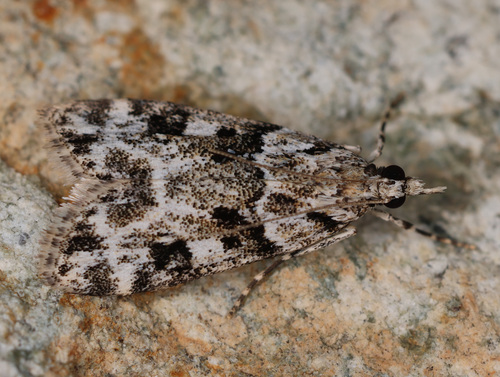
Sitochroa verticalis, common name lesser pearl, is a species of moth of the family Crambidae. This species can be found in most of Europe, including British Islands. The distribution extends from west Portugal, across Central and Eastern Europe, Siberia to the Russian Far East and Japan. In the north the area extends to southern Sweden, in the south to Italy. These moths prefer open landscape with dry or slightly humid grassy areas.

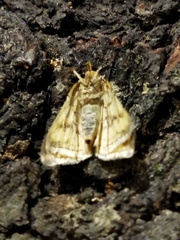
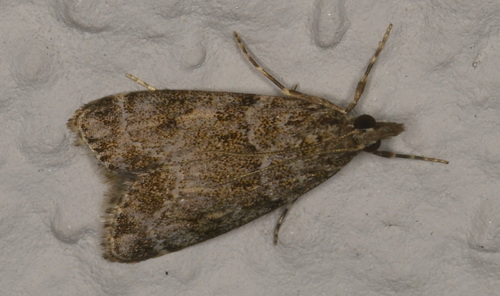
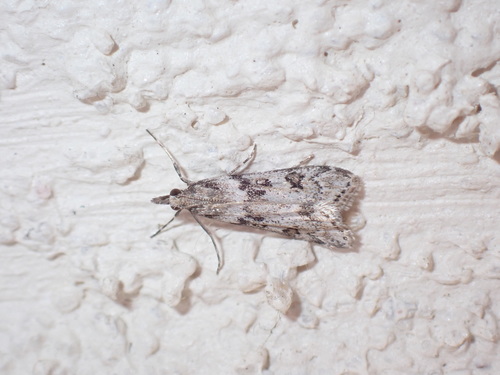
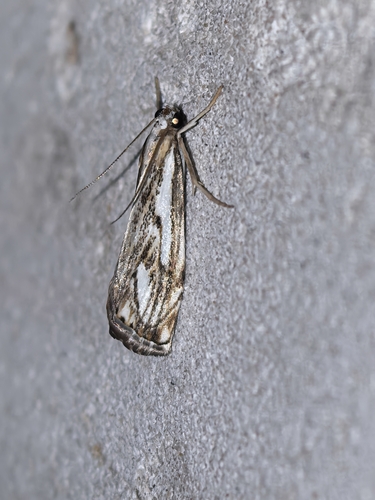
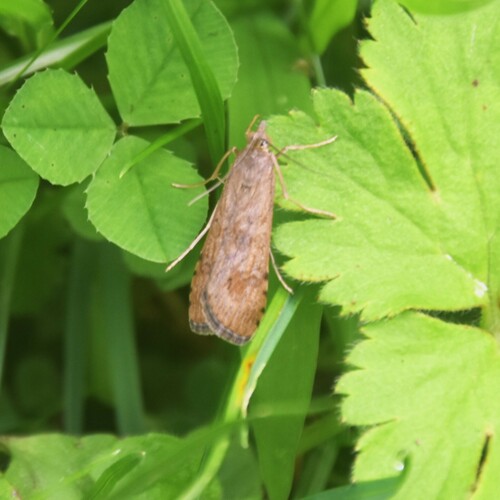
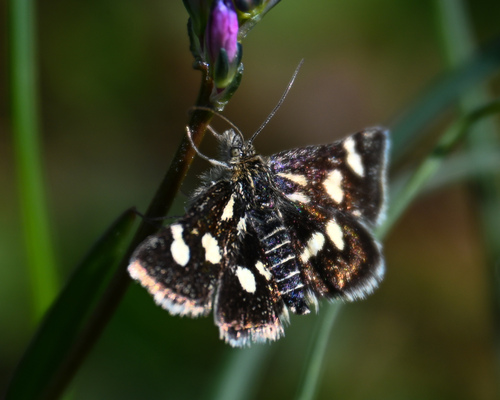
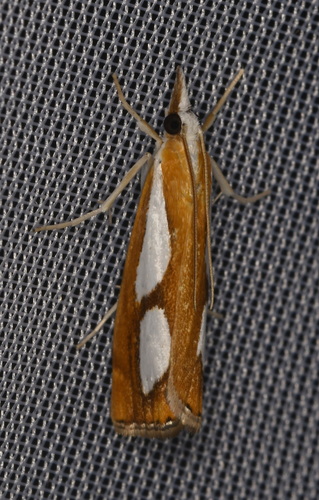
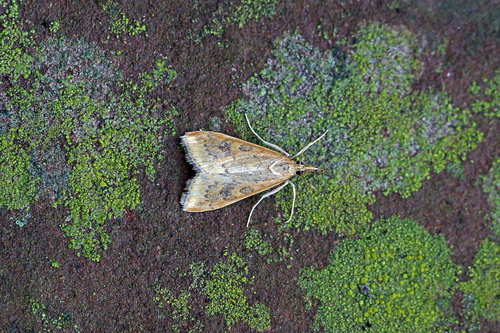
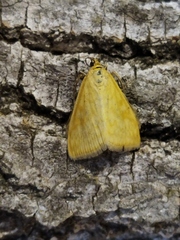
Sitochroa verticalis can reach a wingspan of about 30–34 mm. These moths have yellowish or light ocher forewings with three thin brown cross lines, while the underside of the forewings are strongly-marked with dark brown lines. The hind wings are whitish yellow and have two darker transverse lines. The caterpillars are green, with a light brown head. They can reach a body length of about 29 mm (1.1 in). This species is rather similar to Ostrinia nubilalis.

These moths fly from May to August, with one to two generations, depending on the location. The second generation may occur in August and September. They are nocturnal and come to artificial light sources. Usually they hinbernate in a hibernaculum... Wikipedia →
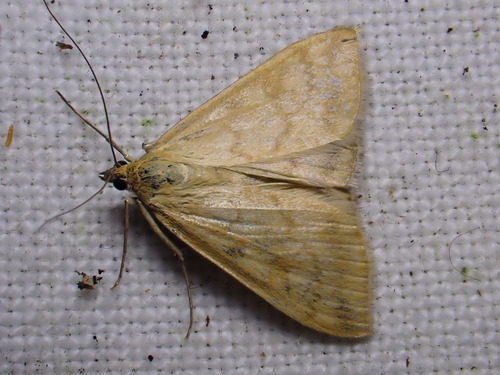
Global Distribution

Parks Where Found

# Park Country Daily sighting probability
1 Cévennes National Park 🇫🇷 France
~10%
2 Sierra de Guadarrama National Park 🇪🇸 Spain
<5%

Cities Where Found

# City Country Daily sighting probability
1 Kharkiv 🇺🇦 Ukraine
~10%
2 Novosibirsk 🇷🇺 Russia
~10%
3 Helsinki 🇫🇮 Finland
~10%
4 Milan 🇮🇹 Italy
~10%
5 Bucharest 🇷🇴 Romania
~10%
6 Budapest 🇭🇺 Hungary
~10%
7 Nizhny Novgorod 🇷🇺 Russia
~10%
8 Lyon 🇫🇷 France
<5%
9 Vienna 🇦🇹 Austria
<5%
10 Kyiv 🇺🇦 Ukraine
<5%

Before you go

What are the chances of seeing a Lesser Pearl in Cévennes National Park?

With luck

About 10% of wildlife watchers report a Lesser Pearl sighting in Cévennes National Park on a given day, based on 31 verified sightings from GBIF citizen-science data from 2019 to 2026. It is the 283rd most-seen of the 996 insects we can rate there. Over three days the chance rises to about 20%, and over a week to about 50%, if each day is a fresh chance.

When is the best time to see a Lesser Pearl in Cévennes National Park?

June

In that month about 20% of wildlife watchers report a Lesser Pearl in Cévennes National Park on a given day, against under 5% in August and October–April, the lowest months.

What time of day is best to see a Lesser Pearl?

Between midnight and 3 am

Across all the parks we cover, that three-hour window holds the most Lesser Pearl sightings with a recorded time, and about half of them come between 6 pm and 6 am: it is most active around dawn and dusk.

Is Cévennes National Park the best place to see a Lesser Pearl?

Yes

Of the 2 parks where we can rate Lesser Pearl sightings, Cévennes National Park has the highest daily chance: about 10%. Next come Sierra de Guadarrama National Park (Spain, under 5%).

Which relatives of the Lesser Pearl live in Cévennes National Park?

Same family: Crambidae

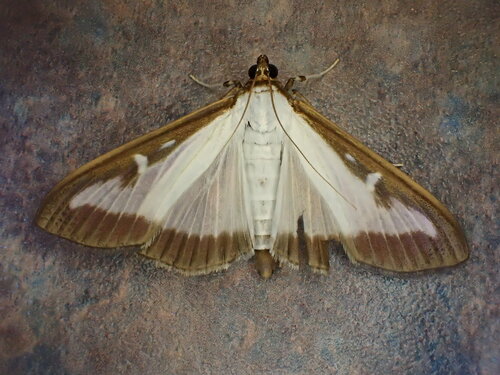
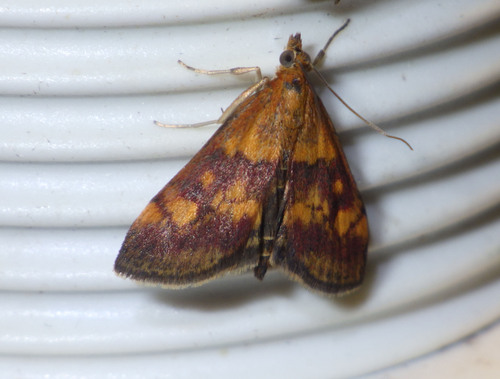
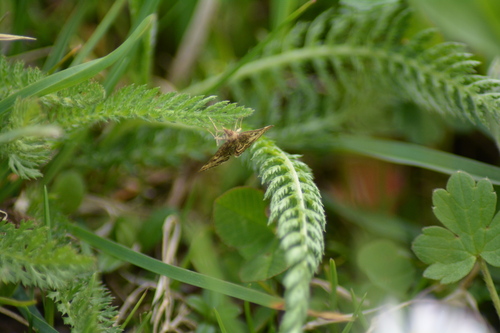
The closest relatives of the Lesser Pearl that you can see in Cévennes National Park (family Crambidae, Crambid Snout Moths) are Box Tree Moth (about 30%), Mint Moth (about 20%) and Straw-Barred Pearl (about 10%), with each one's daily chance of a sighting.

Where does the Lesser Pearl sighting chance come from?

GBIF citizen-science records

It is estimated from how often the Lesser Pearl is recorded against all the insects logged in Cévennes National Park (31 verified sightings from 2019 to 2026), calibrated against known sighting rates. Figures are rounded to the nearest 10% because citizen-science data supports honest approximations, not decimals, and months with records from fewer than five people show "—". How it works.

← Back to Cévennes National Park