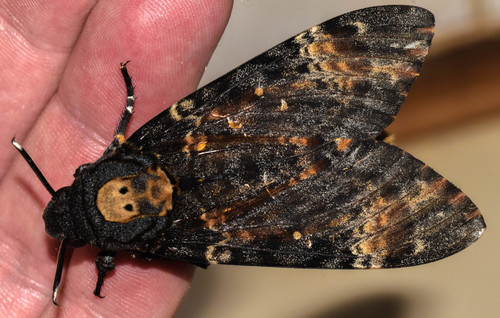
About the Privet Hawkmoth
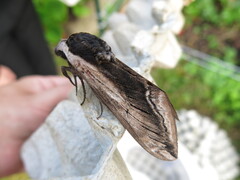
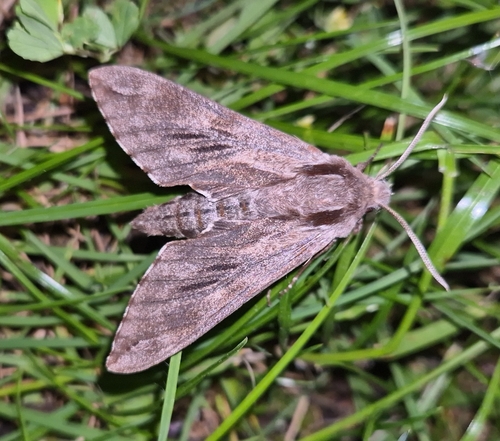
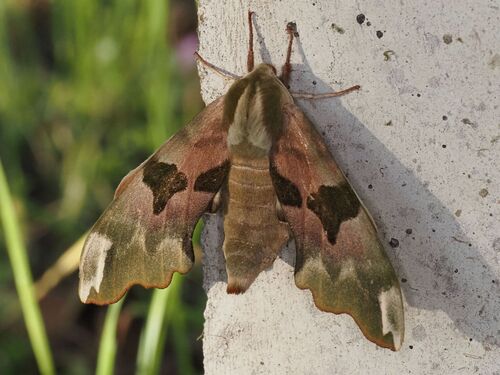
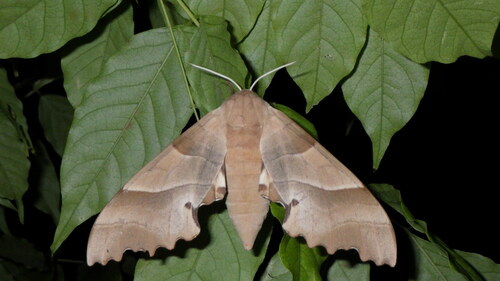
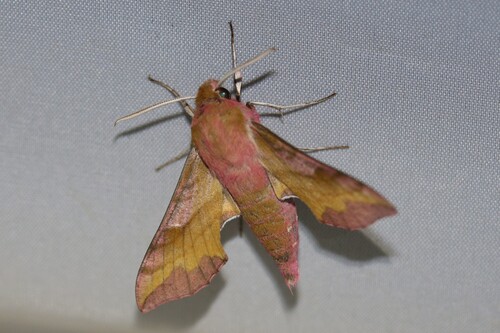
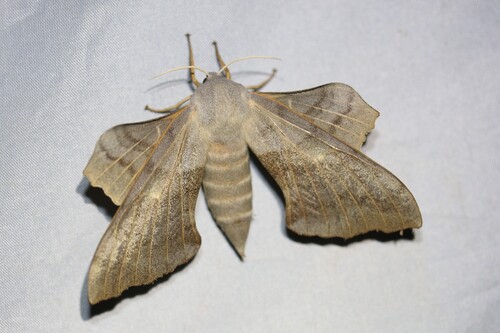
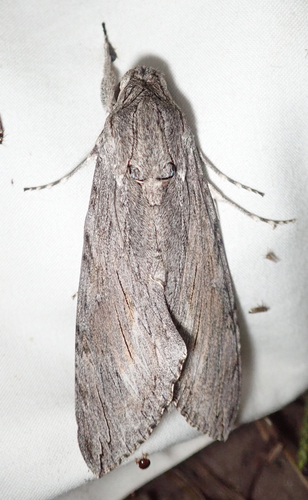
Sphinx ligustri, the privet hawk moth, is a moth found in most of the Palearctic realm. The species was first described by Carl Linnaeus in his 1758 10th edition of Systema Naturae. It has a 12 centimetres (4.7 in) wingspan (generally deflexed at rest), and is found in urban areas, forests and woodlands.
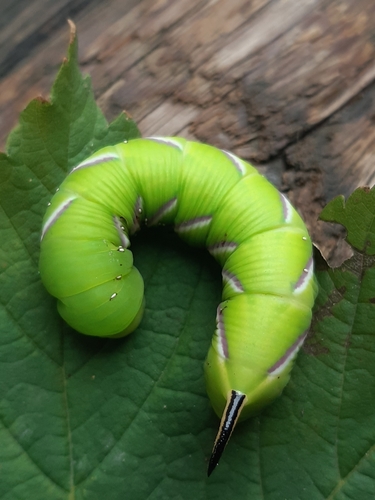
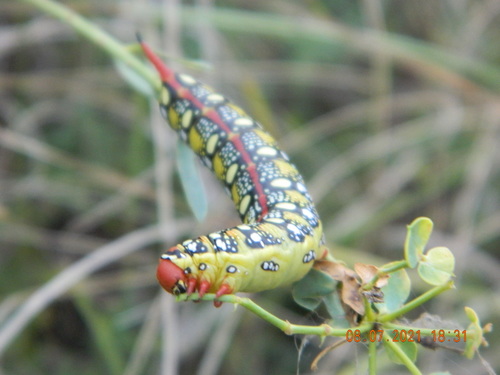
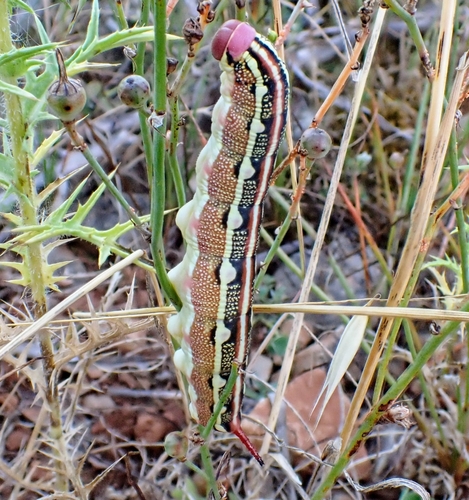
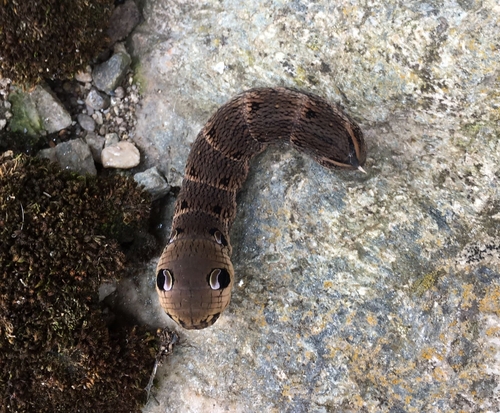
The male privet hawk moth can make a hissing sound, if disturbed, by rubbing together a set of scales and spines at the end of its abdomen. The larvae are usually found between July and August: and bury themselves in the earth when preparing to become a pupa. They then fly in the following June.
As both its common name and specific name - ligustri being derived from the Latin ligustrum, 'privet' - describes, the caterpillars feed on privets, as well as ash trees, lilacs, jasmine, and a number of other plants. Media related to Sphinx ligustri at Wikimedia Commons
Data related to Sphinx ligustri at Wikispecies "69.006 BF1976 Privet Hawk-moth Sphinx ligustri Linnaeus, 1758". UKMoths. Retrieved December 13, 2018. Pittaway, A. R. (2018). "Sphinx Linnaeus, 1758". Sphingidae of the Western Palaearctic. Retrieved... Wikipedia →