








All 5 in 3 days here: ~10%
Chapada dos Guimarães National Park
🇧🇷 Brazil
Mato Grosso, Brazil 1019 spp. recorded
Chapada dos Guimarães is cerrado on sandstone, and its signature sight is red-and-green macaws riding the thermals along the canyon walls — recorded on about two visits in three.
-15.287° S 55.887° W
🦜 Nature

436 Species sighted
28,437 Verified sightings From 2019 to 2026
Jun Best month
⭐ Iconic Species
📊 Most Spotted
⭐ Iconic Species
📊 Most Spotted
⭐ Iconic Species
📊 Most Spotted
📊 Most Spotted
📊 Most Spotted
+ 723 more species with insufficient data
Challenges you can complete here
Recent sightings in Chapada dos Guimarães National Park
LIVEiNaturalistSighting Calendar
How many species you'd see in a day
29Jan
0.4Feb
0.2Mar
1.9Apr
30May
43Jun
33Jul
35Aug
39Sep
42Oct
30Nov
33Dec
Sighting Zones
Warmer areas are where all species together are recorded most often.
-
Pousada do Parque
Daily sight. prob.vs avg -
Vale da Benção
-
Cachoeiro do Véu da Noiva
-
Estacionamento Salgadeira
Daily sight. prob.vs avg





🏕️ Experience
Essentials
Entrance
Paid
Tourism
Low
Typical stay
1–2
daysTrails
Moderate
World Heritage
No
Climate
Temp °C Rain mm
JanFebMarAprMayJunJulAugSepOctNovDec
0.0 Good
Wallace's Line Score
How good is this park for seeing wildlife? 🦜
Biodiversity
Very goodHow rich is the wildlife?
4.3
Species by taxon
🦅 Birds 621
🐒 Mammals 172
🦎 Reptiles 169
🐸 Amphibians 57
1019 Total Species
828 Global average across 316 parks
32 Threatened 46 Endemic
🔭
Sighting
GoodHow likely to see animals?
2.9
🎯
Top-12 Avg Probability
61% 📊
Coverage (206 species at ≥5% of 1019 in the inventory)
20% 🔀
Taxon variety in top 12 (11 bird, 1 reptile)
20% 🔭
Species per 10 outings (distinct species a visitor would meet over 10 outings — effort held equal across parks)
151 🌟
Iconic-group species (≥15%) (every species from the 19 iconic groups — monkeys, cats, toucans, macaws, sloths, crocodilians… — not just the 4 highlighted above)
14 ⭐
High-prob species (>40%)
18 🏕️
Experience
ExcellentHow easy and pleasant is the visit?
4.4
Climate Pleasant High
Entrance Paid Low
Tourism Low High
Trails Moderate Medium
World Heritage No —
What visitors say
Here we were able to see several lettered aracari, lineated Woodpecker, a Black-throated Saltator, a Masked Tityra, and three types of thrushes, among many other species.
We saw some macaws at the falls but there wasn’t much water in them.
We didn’t get to see any more wildlife – but I am still so happy with our earlier Tapir encounter!
Colorful birds and primates, were among the highlights, while the beautiful landscapes of Chapada dos Guimarães provided a spectacular backdrop for our photography.
Before you go
What animals can you see in Chapada dos Guimarães National Park?
1,019 species
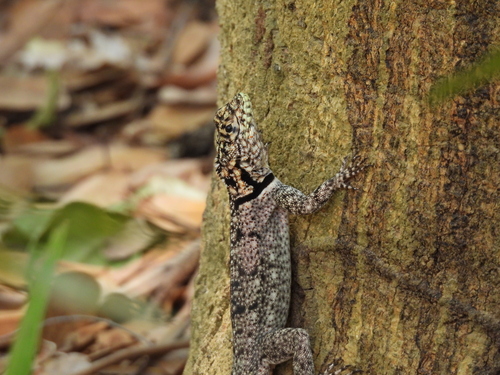
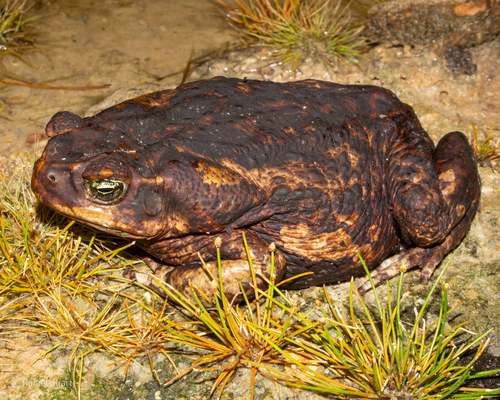
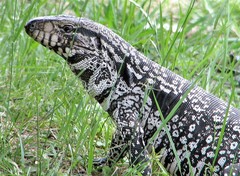
Chapada dos Guimarães National Park has 1,019 recorded vertebrate species. The ones wildlife watchers report most often on a given day are Chopí Blackbird (about 70%), Great Kiskadee (about 70%), Rufous Hornero (about 70%), Pale-breasted Thrush (about 70%) and Sayaca Tanager (about 60%). Among mammals, the most-seen is South American Tapir (about 20%); among reptiles, Chaco Spiny Lizard (about 50%); among amphibians, Cururu Toad (about 30%).
When is the best time to visit Chapada dos Guimarães National Park for wildlife?
June
In that month the park's 12 most-seen species average about 70% on a given day, against about 50% in January, May and November. That is one of Chapada dos Guimarães National Park's driest months, with about 10 mm of rain against 240 mm in March.
Can you see a Red-and-green Macaw in Chapada dos Guimarães National Park?
Yes
About 50% of wildlife watchers report a Red-and-green Macaw sighting in Chapada dos Guimarães National Park on a given day, based on 517 verified sightings from GBIF citizen-science data from 2019 to 2026. The best time is May (about 70%).
Can you see a South American Tapir in Chapada dos Guimarães National Park?
Yes
About 20% of wildlife watchers report a South American Tapir sighting in Chapada dos Guimarães National Park on a given day, based on 17 verified sightings from GBIF citizen-science data from 2019 to 2026. The best time is August (about 40%).
Can you see a Toco Toucan in Chapada dos Guimarães National Park?
With luck
About 10% of wildlife watchers report a Toco Toucan sighting in Chapada dos Guimarães National Park on a given day, based on 108 verified sightings from GBIF citizen-science data from 2019 to 2026. The best time is May (about 30%). Sightings take luck and time in the field.
Where in Chapada dos Guimarães National Park is wildlife easiest to see?
Around Pousada do Parque
The richest sighting zone is around Pousada do Parque, followed by Vale da Benção and Cachoeiro do Véu da Noiva, ranked by how many of the park's headline animals visitors can expect to see in each. See the zones on the map.
Is Chapada dos Guimarães National Park good for wildlife watching?
3.3 out of 5
On the Wallace's Line Score, Chapada dos Guimarães National Park rates 3.3/5: 237th of 316 parks worldwide and 29th in South America. 27 of its species are reported by about 40% or more of wildlife watchers on a given day.