Amboró National Park
🇧🇴 Bolivia
Andean Foothills, Bolivia 1469 spp. recorded
Amboró National Park covers a rugged stretch of the tropical rainforest where the Andes tumble down into the lowlands of Bolivia. This reserve protects dense jungle canopies and steep mountain slopes cut by rushing rivers.
-17.865° S 63.749° W
🦜 Nature

506 Species sighted
19,362 Verified sightings From 2019 to 2026
Sep Best month
⭐ Iconic Species




📊 Most Spotted





📊 Most Spotted
⭐ Iconic Species
📊 Most Spotted
⭐ Iconic Species
📊 Most Spotted


⭐ Iconic Species
📊 Most Spotted

📊 Most Spotted


+ 786 more species with insufficient data
Recent sightings in Amboró National Park
LIVEiNaturalistSounds of Amboró National Park
Morning soundscape2:02
Bolivia · 2021
© Dante Buzzetti · XC735490 · CC BY-NC-SA 4.0
Sighting Calendar
How many species you'd see in a day
38Jan
28Feb
33Mar
31Apr
35May
1.3Jun
35Jul
29Aug
46Sep
43Oct
39Nov
36Dec
Sighting Zones
Warmer areas are where all species together are recorded most often.
-
Mataracu, AP Amboro
Daily sight. prob.vs avg





🏕️ Experience
Essentials
Entrance
Paid
Tourism
Low
Typical stay
1–2
daysTrails
Hard
World Heritage
No
Climate
Temp °C Rain mm
JanFebMarAprMayJunJulAugSepOctNovDec
0.0 Excellent
Wallace's Line Score
How good is this park for seeing wildlife? 🦜
Biodiversity
ExcellentHow rich is the wildlife?
4.7
Species by taxon
🦅 Birds 959
🐒 Mammals 238
🦎 Reptiles 189
🐸 Amphibians 83
1469 Total Species
828 Global average across 316 parks
38 Threatened 56 Endemic
🔭
Sighting
ExcellentHow likely to see animals?
4.0
🎯
Top-12 Avg Probability
69% 📊
Coverage (182 species at ≥5% of 1469 in the inventory)
12% 🔀
Taxon variety in top 12 (11 bird, 1 reptile)
20% 🔭
Species per 10 outings (distinct species a visitor would meet over 10 outings — effort held equal across parks)
150 🌟
Iconic-group species (≥15%) (every species from the 19 iconic groups — monkeys, cats, toucans, macaws, sloths, crocodilians… — not just the 4 highlighted above)
22 ⭐
High-prob species (>40%)
36 🏕️
Experience
Very goodHow easy and pleasant is the visit?
3.6
Climate Mixed Medium
Entrance Paid Low
Tourism Low High
Trails Hard Low
World Heritage No —
What visitors say
We were higher than the cloud cover that surrounded us, and peering down from our Andean heights, we saw the majestic condors glide effortlessly.
Besides the sloth, the butterflies are my favorite animal in Bolivia, flapping around in a brilliant array of reds, yellows, whites, blacks, blues, and oranges.We could hear monkeys, and at one point, looked up to see a capuchin monkey almost directly over us.
A normal vehicle cannot reach Villa Amboró under the best of circumstances, but the Ford Raptor was not daunted by bad roads, or even rivers, so we took the shortest possible route.
After a brief tour of the city, Bolivia’s financial hub, we spend the next few days in Amboro National Park.
Before you go
What animals can you see in Amboró National Park?
1,469 species
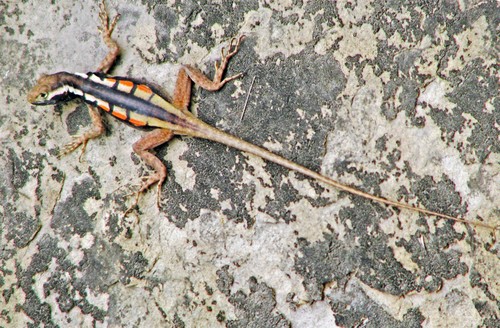
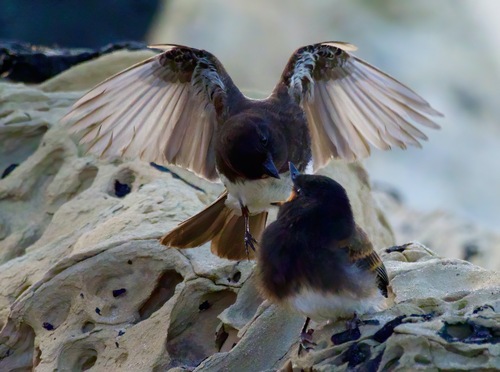
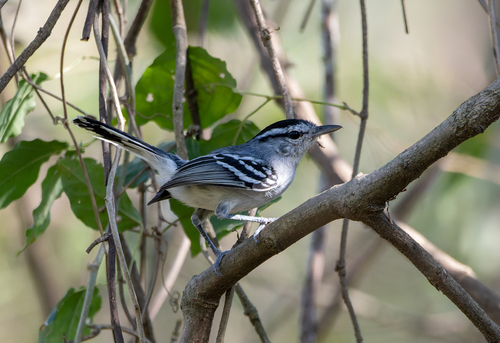
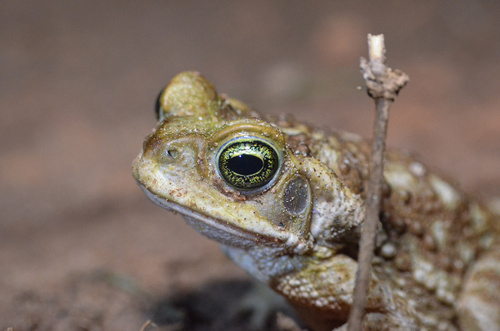
Amboró National Park has 1,469 recorded vertebrate species. The ones wildlife watchers report most often on a given day are Purplish Jay (about 80%), Plush-crested Jay (about 80%), Crested Oropendola (about 80%), Two-banded Warbler (about 70%) and Black Lava Lizard (about 70%). Among amphibians, the most-seen is Spot-legged Poison Frog (about 50%).
When is the best time to visit Amboró National Park for wildlife?
October
In that month the park's 12 most-seen species average about 80% on a given day, against about 50% in February.
Can you see a Military Macaw in Amboró National Park?
Yes
About 60% of wildlife watchers report a Military Macaw sighting in Amboró National Park on a given day, based on 376 verified sightings from GBIF citizen-science data from 2019 to 2026. The best time is September (about 80%).
Can you see a Crested Oropendola in Amboró National Park?
Yes
About 80% of wildlife watchers report a Crested Oropendola sighting in Amboró National Park on a given day, based on 476 verified sightings from GBIF citizen-science data from 2019 to 2026. The best time is March, September–October and December–January (about 90%).
Can you see a Black Lava Lizard in Amboró National Park?
Yes
About 70% of wildlife watchers report a Black Lava Lizard sighting in Amboró National Park on a given day, based on 20 verified sightings from GBIF citizen-science data from 2019 to 2026. The best time is August and October–November (about 80%).
Can you see a Spot-legged Poison Frog in Amboró National Park?
Yes
About 50% of wildlife watchers report a Spot-legged Poison Frog sighting in Amboró National Park on a given day, based on 7 verified sightings from GBIF citizen-science data from 2019 to 2026. The best time is May and July (about 60%).
Where in Amboró National Park is wildlife easiest to see?
Around Cascada 3
The richest sighting zone is around Cascada 3, followed by Mataracu, AP Amboro, ranked by how many of the park's headline animals visitors can expect to see in each. See the zones on the map.
Is Amboró National Park good for wildlife watching?
4.2 out of 5
On the Wallace's Line Score, Amboró National Park rates 4.2/5: 86th of 316 parks worldwide and 9th in South America. 42 of its species are reported by about 40% or more of wildlife watchers on a given day.


