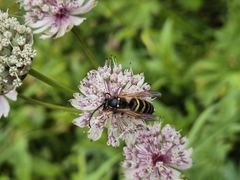
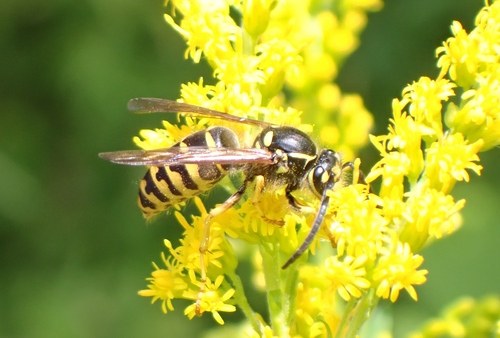
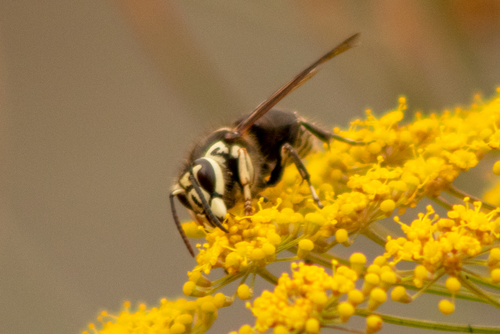
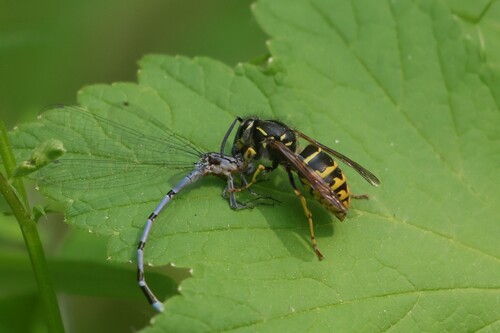
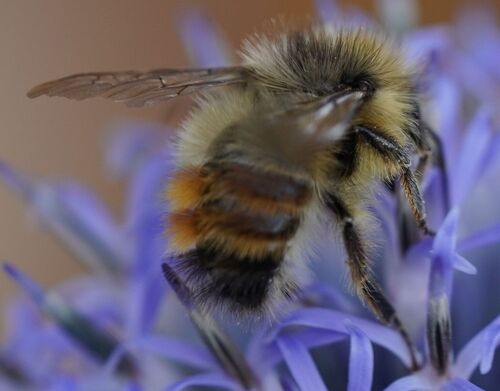
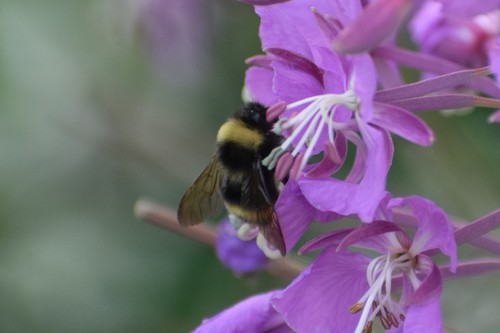
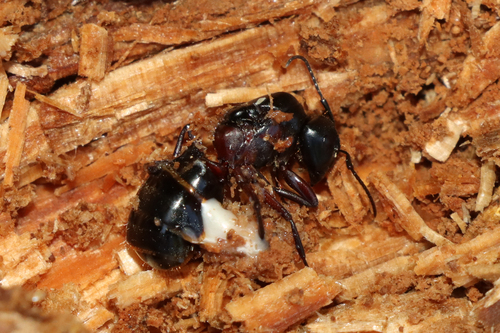
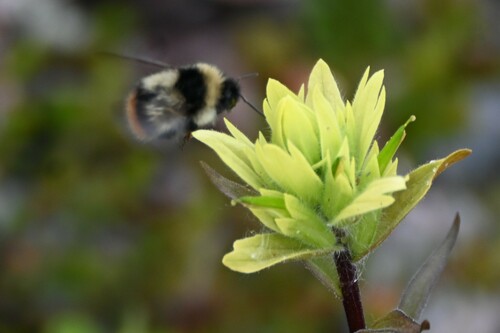
Dolichovespula adulterina
Daily sighting probability ~10% · With luck
at Anchorage

In 3 days ~20% in a week ~40%

6 Verified sightings at Anchorage
61 In all 5 parks From 2019 to 2026
June Best month
☀️ Diurnal When it's spotted

About the Dolichovespula adulterina

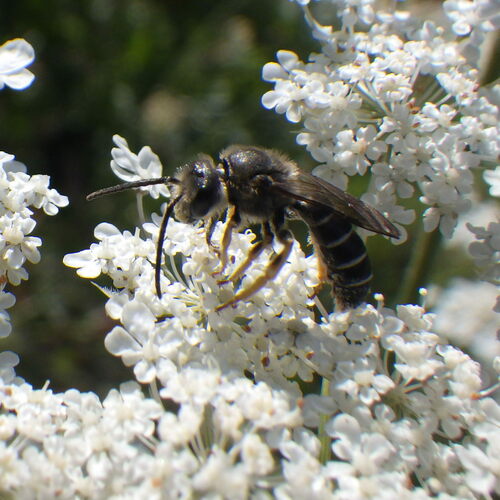
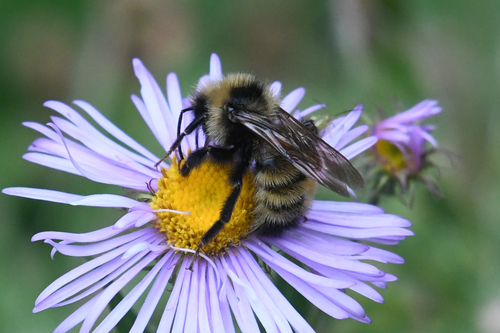
Dolichovespula adulterina is a species of parasitic social wasp found in the Palearctic region. D. adulterina feeds on a variety of foods, including insects, spiders, arthropods, meat, molluscs, fruit, nectar, and larval secretions. D. adulterina was formerly considered to be synonymous with D. arctica from the Holarctic region, but more recent research indicates that D. arctica is a separate species.

D. adulterina is one of a few parasitic members the subfamily Vespinae, most species of which are eusocial. The length of the forewing is 13.0–14.0 mm in females and 10.0–12.0 mm in males. Commonly, its body is an ivory colour, but it can be pale yellow on occasion; the pale yellow subspecies are found in the western Nearctic and Palearctic regions. Usually, the clypeus is elongated, but sometimes it will be small and round. Females almost always have a black, disc-like spot, whereas males have a black mark that extends to the ventral margin of the clypeus. Melanic individuals have a black spot extending to the dorsal margin. The postocular band in females is narrower relative to the lateral postocular stripes, whereas in males it is... Wikipedia →
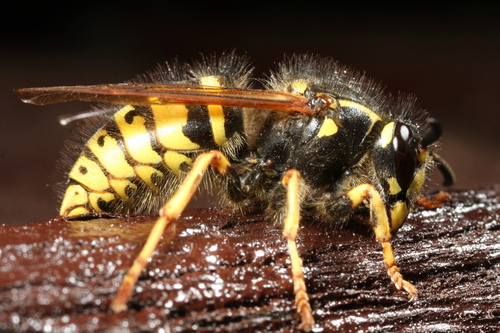
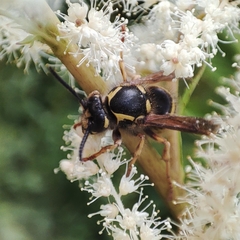
Global Distribution

Parks Where Found

# Park Country Daily sighting probability
1 Great Smoky Mountains National Park 🇺🇸 United States
~10%
2 Glacier National Park 🇺🇸 United States
~10%
3 Grand Teton National Park 🇺🇸 United States
~10%
4 Shenandoah National Park 🇺🇸 United States
~10%
5 Olympic National Park 🇺🇸 United States
<5%

Cities Where Found

# City Country Daily sighting probability
1 Anchorage 🇺🇸 United States
~10%
2 Boston 🇺🇸 United States
<5%
3 Montreal 🇨🇦 Canada
<5%
4 Vancouver 🇨🇦 Canada
<5%
5 Toronto 🇨🇦 Canada
<5%

Before you go

What are the chances of seeing a Dolichovespula adulterina in Anchorage?

With luck

About 10% of wildlife watchers report a Dolichovespula adulterina sighting in Anchorage on a given day, based on 6 verified sightings from GBIF citizen-science data. It is the 45th most-seen of the 59 insects we can rate there. Over three days the chance rises to about 20%, and over a week to about 40%, if each day is a fresh chance.

When is the best time to see a Dolichovespula adulterina in Anchorage?

May to July

In those months about 10% of wildlife watchers report a Dolichovespula adulterina in Anchorage on a given day, against under 5% in August to April, the lowest months.

What time of day is best to see a Dolichovespula adulterina?

Between 10 am and 1 pm

Across all the parks we cover, that three-hour window holds the most Dolichovespula adulterina sightings with a recorded time, and nearly all of them come between 6 am and 6 pm: it is a daytime animal.

Is Anchorage the best place to see a Dolichovespula adulterina?

Yes

Of the 5 cities where we can rate Dolichovespula adulterina sightings, Anchorage has the highest daily chance: about 10%. Next come Boston (United States, under 5%) and Montreal (Canada, under 5%).

Which relatives of the Dolichovespula adulterina live in Anchorage?

Same genus: Dolichovespula

The closest relatives of the Dolichovespula adulterina that you can see in Anchorage (genus Dolichovespula, Aerial Yellowjackets) are Common Aerial Yellowjacket (about 10%) and Bald-Faced Hornet (about 10%), with each one's daily chance of a sighting.

Where does the Dolichovespula adulterina sighting chance come from?

GBIF citizen-science records

It is estimated from how often the Dolichovespula adulterina is recorded against all the insects logged in Anchorage (6 verified sightings), calibrated against known sighting rates. Figures are rounded to the nearest 10% because citizen-science data supports honest approximations, not decimals, and months with records from fewer than five people show "—". How it works.

← Back to Anchorage