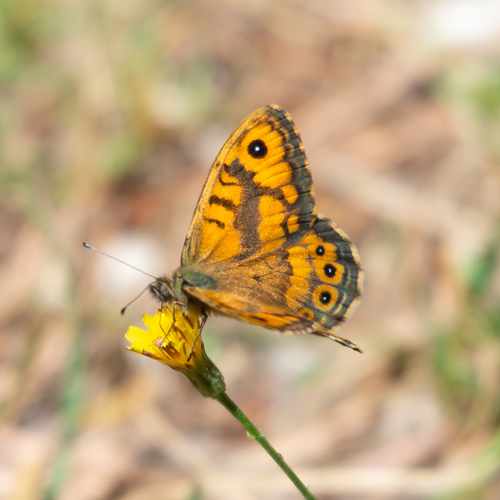
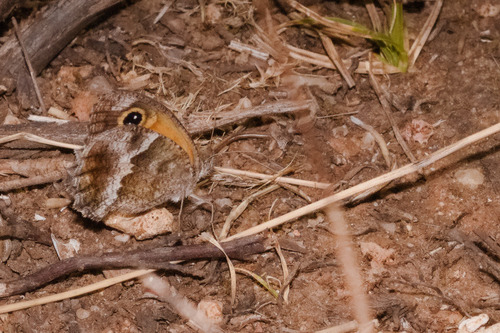
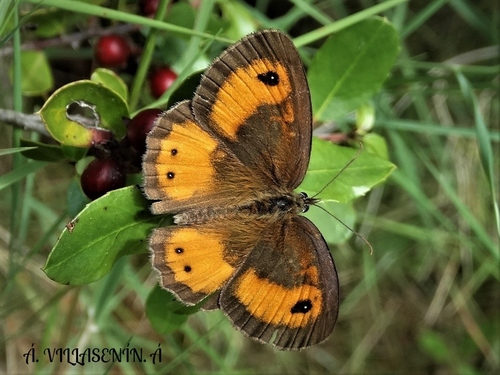
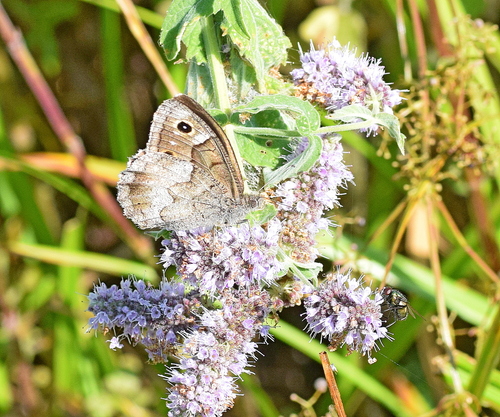
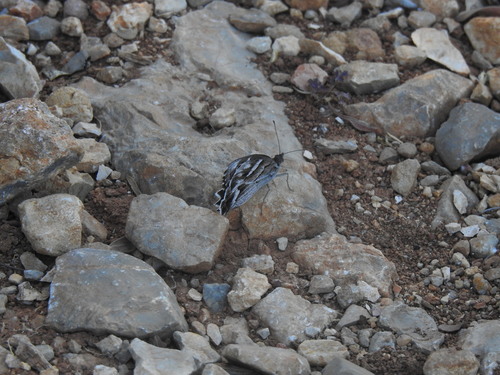
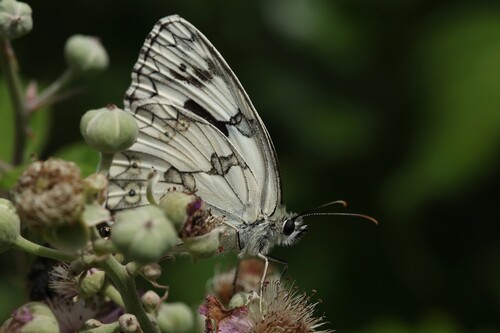
Marsh Fritillary

Marsh Fritillary

Euphydryas aurinia

Daily sighting probability <5% · Rare
at Barcelona

In 3 days ~10% in a week ~30%

27 Verified sightings at Barcelona
436 In all 10 parks From 2019 to 2026
May Best month
☀️ Diurnal When it's spotted

About the Marsh Fritillary

The marsh fritillary (Euphydryas aurinia) is a butterfly of the family Nymphalidae. Commonly distributed in the Palearctic region, the marsh fritillary's common name derives from one of its several habitats, marshland. The prolonged larval stage lasts for approximately seven to eight months and includes a period of diapause over the winter. The larvae are dependent on the host food plant Succisa pratensis not only for feeding but also for hibernation, because silken webs are formed on the host plant as the gregarious larvae enter hibernation. Females lay eggs in batches on the host plant and are, like other batch-layers, selective about the location of oviposition because offspring survivorship levels for batch-layers are more tied to location selection than they are for single-egg layers.

As of 2019 the butterfly's global conservation status is considered of least concern, but it has faced rapid decline and is considered regionally vulnerable or endangered over much of its range. E. aurinia is represented by many subspecies. The most widely accepted are:

Euphydryas aurinia aurinia central Europe, southern Europe, western Siberia Euphydryas aurinia bulgarica (Fruhstorfer... Wikipedia →
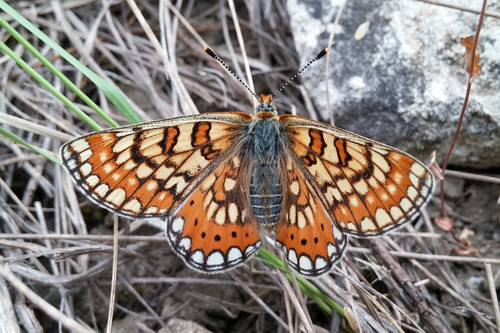
Global Distribution

Parks Where Found

# Park Country Daily sighting probability
1 Hohe Tauern National Park 🇦🇹 Austria
~20%
2 Sierra de Guadarrama National Park 🇪🇸 Spain
~20%
3 Sierra Nevada National Park 🇪🇸 Spain
~20%
4 Mercantour National Park 🇫🇷 France
~20%
5 Vanoise National Park 🇫🇷 France
~20%
6 Picos de Europa National Park 🇪🇸 Spain
~10%
7 Triglav National Park 🇸🇮 Slovenia
~10%
8 Cévennes National Park 🇫🇷 France
~10%
9 Ecrins National Park 🇫🇷 France
~10%
10 Pyrénées National Park 🇫🇷 France
~10%

Cities Where Found

# City Country Daily sighting probability
1 Porto 🇵🇹 Portugal
~10%
2 Barcelona 🇪🇸 Spain
<5%

Before you go

What are the chances of seeing a Marsh Fritillary in Barcelona?

Rare

Under 5% of wildlife watchers report a Marsh Fritillary sighting in Barcelona on a given day, based on 27 verified sightings from GBIF citizen-science data. It is the 229th most-seen of the 381 insects we can rate there. Over three days the chance rises to about 10%, and over a week to about 30%, if each day is a fresh chance.

When is the best time to see a Marsh Fritillary in Barcelona?

April to June

In those months about 10% of wildlife watchers report a Marsh Fritillary in Barcelona on a given day, against under 5% in July to March, the lowest months.

What time of day is best to see a Marsh Fritillary?

Between 10 am and 1 pm

Across all the parks we cover, that three-hour window holds the most Marsh Fritillary sightings with a recorded time, and about 9 in 10 of them come between 6 am and 6 pm: it is a daytime animal.

Is Barcelona the best place to see a Marsh Fritillary?

2nd of 2

Of the 2 cities where we can rate Marsh Fritillary sightings, Barcelona ranks 2nd at under 5%. The best odds are in Porto (Portugal, about 10%).

Which relatives of the Marsh Fritillary live in Barcelona?

Same family: Nymphalidae

The closest relatives of the Marsh Fritillary that you can see in Barcelona (family Nymphalidae, Brush-footed Butterflies) are Painted Lady (about 30%), Red Admiral (about 30%) and Speckled Wood (about 30%), with each one's daily chance of a sighting.

Where does the Marsh Fritillary sighting chance come from?

GBIF citizen-science records

It is estimated from how often the Marsh Fritillary is recorded against all the insects logged in Barcelona (27 verified sightings), calibrated against known sighting rates. Figures are rounded to the nearest 10% because citizen-science data supports honest approximations, not decimals, and months with records from fewer than five people show "—". How it works.

← Back to Barcelona