
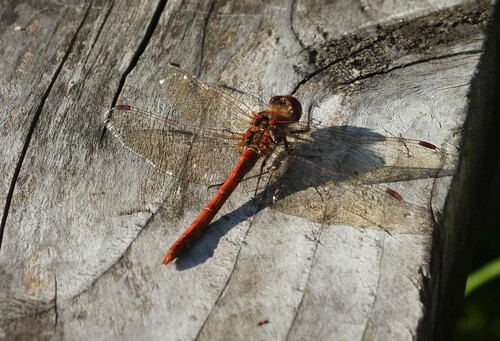
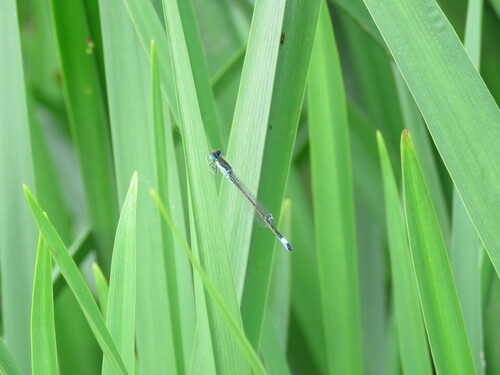
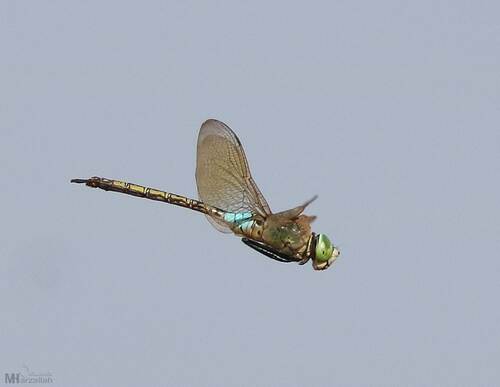
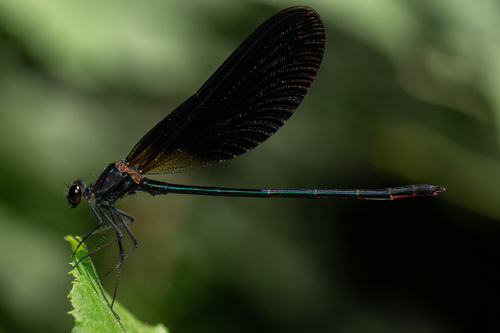
Western Willow Spreadwing

Western Willow Spreadwing

Chalcolestes viridis

Daily sighting probability ~10% · With luck
at Barcelona

In 3 days ~20% in a week ~50%

41 Verified sightings at Barcelona
54 In all 4 parks From 2019 to 2026
September Best month
☀️ Diurnal When it's spotted

About the Western Willow Spreadwing

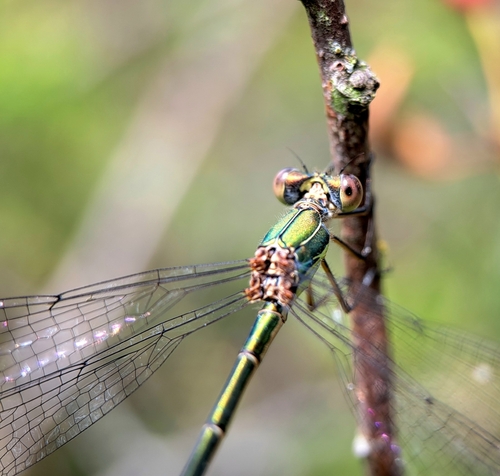
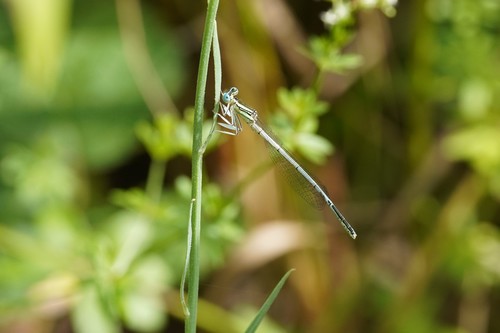
Chalcolestes viridis, formerly Lestes viridis, is a damselfly of the family Lestidae. It has a metallic green body and at rest it holds its wings away from its body. Its common name is the willow emerald damselfly, the green emerald damselfly, or the western willow spreadwing. It has an elongated abdomen and pale brown spots on its wings and resides in areas of still water with overhanging trees.

The genus Chalcolestes is separated from Lestes because of differences in their larvae. A closely related species C. parvidens used to be considered a sub-species of C. viridis. C. parvidens occurs in Greece, Bulgaria, Croatia and in Italy; near Rome it flies with C. viridis in the same ponds. There are small morphological differences between the two species both as adults and larvae and analysis of proteins from the two species, by electrophoresis, also supports their separation into two species, but they are hard to tell apart in the field. C. parvidens flies earlier in the year than C. viridis.

C. viridis is found across southern and central Europe and in North Africa. In the eastern mediterranean it is replaced by C. parvidens with areas of... Wikipedia →

Global Distribution

Parks Where Found

# Park Country Daily sighting probability
1 Cévennes National Park 🇫🇷 France
~10%
2 Bavarian Forest National Park 🇩🇪 Germany
~10%
3 Wadden Sea National Park 🇩🇪 Germany
<5%
4 Sierra de Guadarrama National Park 🇪🇸 Spain
<5%

Cities Where Found

# City Country Daily sighting probability
1 Brussels 🇧🇪 Belgium
~30%
2 Rotterdam [The Hague] 🇳🇱 Netherlands
~20%
3 London 🇬🇧 United Kingdom
~20%
4 Paris 🇫🇷 France
~10%
5 Barcelona 🇪🇸 Spain
~10%
6 Porto 🇵🇹 Portugal
~10%
7 Hamburg 🇩🇪 Germany
~10%
8 Lyon 🇫🇷 France
~10%
9 Amsterdam 🇳🇱 Netherlands
~10%
10 Munich 🇩🇪 Germany
~10%

Before you go

What are the chances of seeing a Western Willow Spreadwing in Barcelona?

With luck

About 10% of wildlife watchers report a Western Willow Spreadwing sighting in Barcelona on a given day, based on 41 verified sightings from GBIF citizen-science data. It is the 85th most-seen of the 381 insects we can rate there. Over three days the chance rises to about 20%, and over a week to about 50%, if each day is a fresh chance.

When is the best time to see a Western Willow Spreadwing in Barcelona?

August and September

In those months about 20% of wildlife watchers report a Western Willow Spreadwing in Barcelona on a given day, against under 5% in January to June, the lowest months.

What time of day is best to see a Western Willow Spreadwing?

Between noon and 3 pm

Across all the parks we cover, that three-hour window holds the most Western Willow Spreadwing sightings with a recorded time, and about 9 in 10 of them come between 6 am and 6 pm: it is a daytime animal.

Is Barcelona the best place to see a Western Willow Spreadwing?

5th of 21

Of the 21 cities where we can rate Western Willow Spreadwing sightings, Barcelona ranks 5th at about 10%. The best odds are in Brussels (Belgium, about 30%), Rotterdam [The Hague] (Netherlands, about 20%) and London (United Kingdom, about 20%).

Which relatives of the Western Willow Spreadwing live in Barcelona?

Same order: Odonata

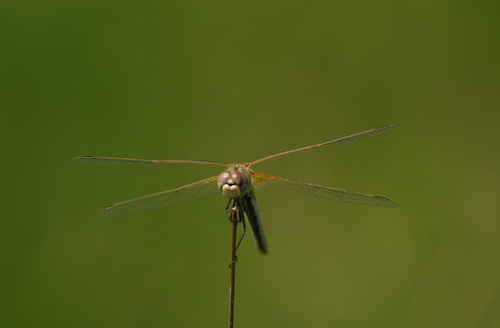
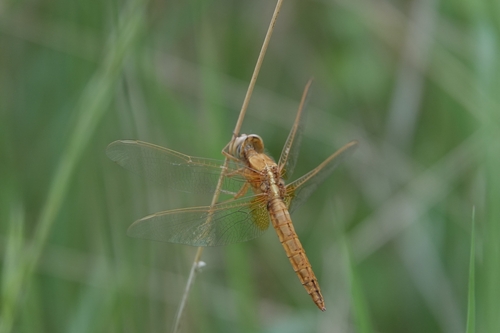
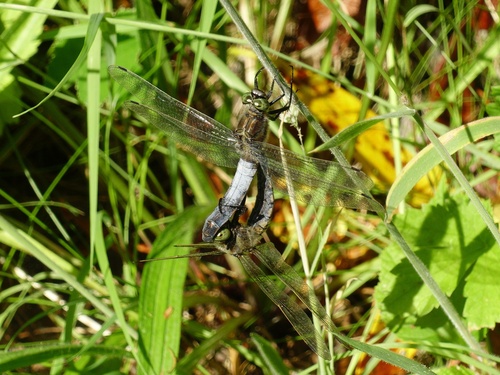
The closest relatives of the Western Willow Spreadwing that you can see in Barcelona (order Odonata, Dragonflies and Damselflies) are Nomad (about 20%), Broad Scarlet (about 20%) and Black-Tailed Skimmer (about 20%), with each one's daily chance of a sighting.

Where does the Western Willow Spreadwing sighting chance come from?

GBIF citizen-science records

It is estimated from how often the Western Willow Spreadwing is recorded against all the insects logged in Barcelona (41 verified sightings), calibrated against known sighting rates. Figures are rounded to the nearest 10% because citizen-science data supports honest approximations, not decimals, and months with records from fewer than five people show "—". How it works.

← Back to Barcelona