Nomad

Nomad

Sympetrum fonscolombii

Daily sighting probability ~20% · Possible
at Barcelona

In 3 days ~50% in a week ~80%

213 Verified sightings at Barcelona
621 In all 14 parks From 2019 to 2026
August Best month
☀️ Diurnal When it's spotted

About the Nomad

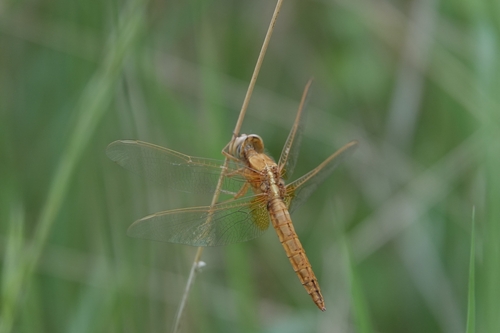
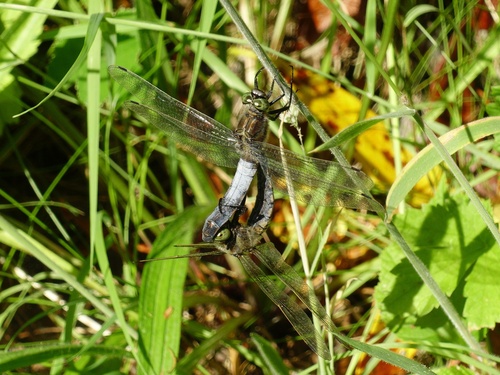
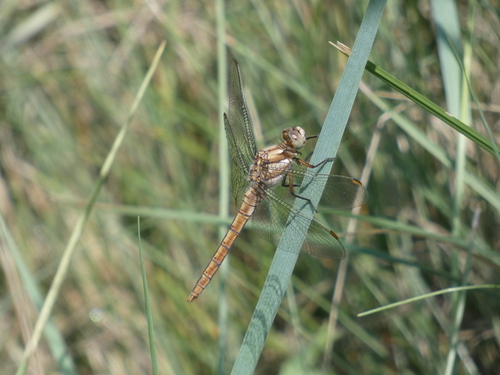
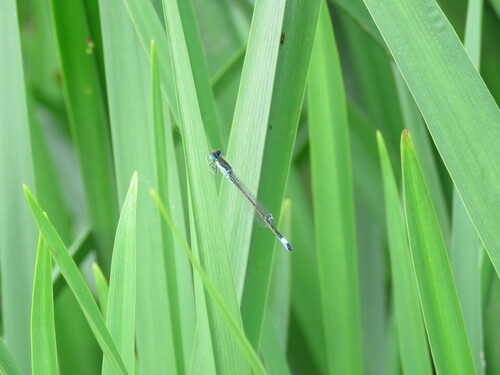
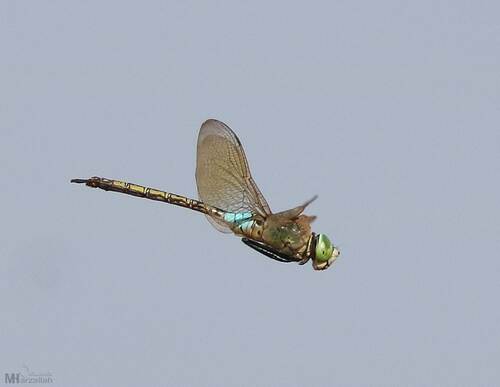
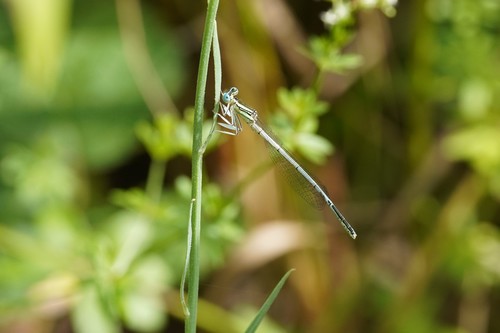
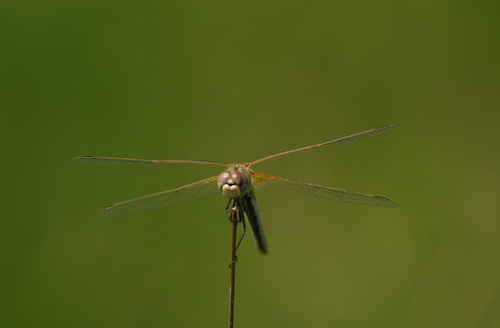
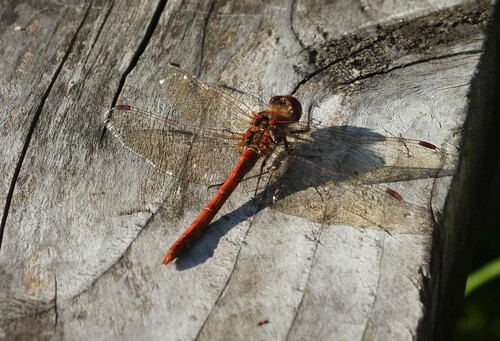
The red-veined darter or nomad (Sympetrum fonscolombii) is a dragonfly in the genus Sympetrum. There is genetic and behavioural evidence that S. fonscolombii is not closely related to the other members of the genus Sympetrum and it will at some time in the future be removed from this genus.

Sympetrum fonscolombii was named under the protonym Libellula fonscolombii by the Belgian entomologist Edmond de Sélys Longchamps in 1840, in honour of the French entomologist Étienne de Fonscolombe, whence the species name. Its name is sometimes cited as fonscolombei instead of fonscolombii, but Askew (2004) gives the latter as the correct spelling.

Sympetrum fonscolombii is a widespread and common species in much of central and southern Europe including most Mediterranean islands, North Africa, the Middle East, Mongolia, south-western Asia, including the Indian subcontinent, the Indian Ocean Islands and Sri Lanka. In Europe it is resident in the south of its range but in some years it migrates northward. From the 1990s onwards, it has increasingly been found in northwest Europe, including Belgium, Sweden, Finland, Poland, Great Britain, and Ireland... Wikipedia →
Global Distribution

Parks Where Found

# Park Country Daily sighting probability
1 Doñana National Park 🇪🇸 Spain
~40%
2 Camargue 🇫🇷 France
~30%
3 Mercantour National Park 🇫🇷 France
~20%
4 De Hoop Nature Reserve 🇿🇦 South Africa
~20%
5 Garden Route National Park 🇿🇦 South Africa
~20%
6 Table Mountain National Park 🇿🇦 South Africa
~10%
7 Monfragüe National Park 🇪🇸 Spain
~10%
8 Cévennes National Park 🇫🇷 France
~10%
9 Addo Elephant National Park 🇿🇦 South Africa
~10%
10 Sierra Nevada National Park 🇪🇸 Spain
~10%
11 Sierra de Guadarrama National Park 🇪🇸 Spain
~10%
12 Pyrénées National Park 🇫🇷 France
~10%
13 Bavarian Forest National Park 🇩🇪 Germany
<5%
14 Wadden Sea National Park 🇩🇪 Germany
<5%

Cities Where Found

# City Country Daily sighting probability
1 Antalya 🇹🇷 Turkey
~30%
2 Valencia 🇪🇸 Spain
~30%
3 Izmir 🇹🇷 Turkey
~30%
4 Algiers 🇩🇿 Algeria
~20%
5 Barcelona 🇪🇸 Spain
~20%
6 Milan 🇮🇹 Italy
~20%
7 Tel Aviv 🇮🇱 Israel
~20%
8 Ankara 🇹🇷 Turkey
~20%
9 Cape Town 🇿🇦 South Africa
~20%
10 Madrid 🇪🇸 Spain
~20%

Before you go

What are the chances of seeing a Nomad in Barcelona?

Possible

About 20% of wildlife watchers report a Nomad sighting in Barcelona on a given day, based on 213 verified sightings from GBIF citizen-science data. It is the 12th most-seen of the 381 insects we can rate there. Over three days the chance rises to about 50%, and over a week to about 80%, if each day is a fresh chance.

When is the best time to see a Nomad in Barcelona?

August and September

In those months about 40% of wildlife watchers report a Nomad in Barcelona on a given day, against under 5% in December to March, the lowest months.

What time of day is best to see a Nomad?

Between 11 am and 2 pm

Across all the parks we cover, that three-hour window holds the most Nomad sightings with a recorded time, and about 9 in 10 of them come between 6 am and 6 pm: it is a daytime animal.

Is Barcelona the best place to see a Nomad?

5th of 31

Of the 31 cities where we can rate Nomad sightings, Barcelona ranks 5th at about 20%. The best odds are in Antalya (Turkey, about 30%), Valencia (Spain, about 30%) and Izmir (Turkey, about 30%).

Where does the Nomad sighting chance come from?

GBIF citizen-science records

It is estimated from how often the Nomad is recorded against all the insects logged in Barcelona (213 verified sightings), calibrated against known sighting rates. Figures are rounded to the nearest 10% because citizen-science data supports honest approximations, not decimals, and months with records from fewer than five people show "—". How it works.

← Back to Barcelona