


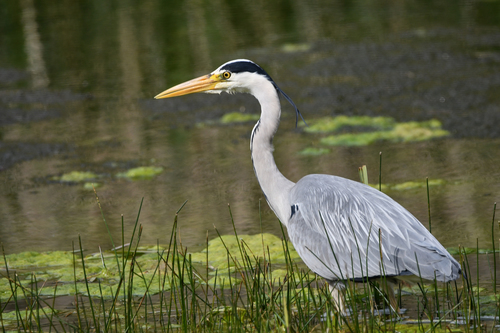





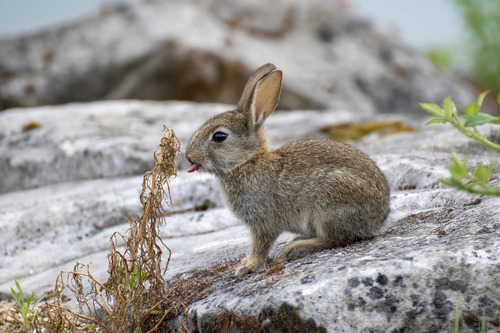


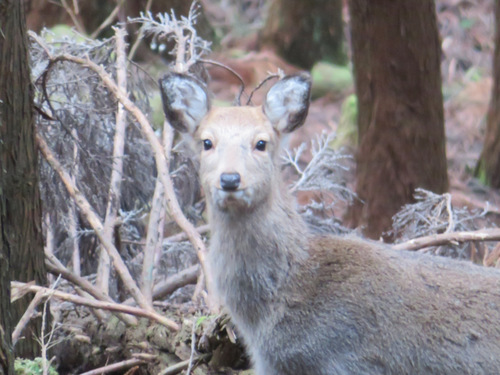


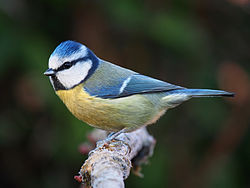


All 5 in 3 days here: ~70%
City
Dublin
🇮🇪 Ireland
Europe, Ireland 208 spp. recorded
Dublin is the capital and largest city of Ireland. Situated on Dublin Bay at the mouth of the River Liffey, it is in the province of Leinster. Dublin is the largest city by population on the island of Ireland. Wikipedia
53.319° N 6.272° W
🦜 Nature

208 Species sighted
138,932 Verified sightings From 2019 to 2026
Aug Best month
⭐ Iconic Species
📊 Most Spotted
📊 Most Spotted

LC
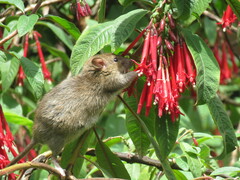
 Greater White-toothed Shrew
Crocidura russula
⭐ Iconic Species
📊 Most Spotted
📊 Most Spotted
⭐ Iconic Species
🌙 Most active after dark

LC
 Smooth Newt
Lissotriton vulgaris

LC
 Pygmy Pipistrelle
Pipistrellus pygmaeus

LC
 Grasshopper Warbler
Locustella naevia

LC
 Alpine Swift
Tachymarptis melba
Challenges you can complete here




All 6 in 3 days here: ~30%


All 7 in 3 days here: <5%
Recent sightings in Dublin
LIVEiNaturalistWhere to look
Warmer areas are where all species together are recorded most often.
-
St. Stephen's Green
-
The Forty Foot, Sandycove & The Baths
-
North Bull Island NR--general area
Daily sight. prob.vs avg -
Dun Laoghaire Harbour · East Pier
-
Sandymount Strand & Merrion Gates
-
Dillon's Park & Sorrento Point
Daily sight. prob.vs avg -
Booterstown Marsh NR
-
River Liffey in Dublin City Centre (Heuston Station to East Link Toll Bridge)
-
University College Dublin · Belfield Campus
-
University College Dublin · Main Lake
-
Trinity College Dublin




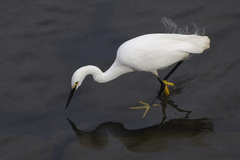


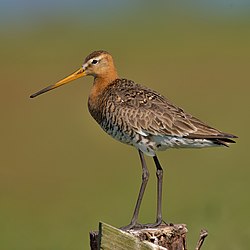
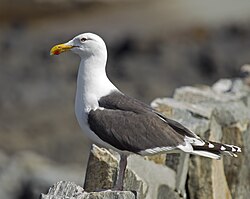

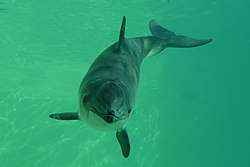

Sighting Calendar
How many species you'd see in a day
27Jan
28Feb
29Mar
34Apr
35May
35Jun
38Jul
39Aug
31Sep
27Oct
27Nov
26Dec
🏙️ City
Essentials
Green cover
High
Protected land
—
Protected sea
18%
Protected areas
12
areasWildlife spots
12
spotsZoos & centres
1
placesClimate
Oceanic
World Heritage
No
Climate
Temp °C Rain mm
JanFebMarAprMayJunJulAugSepOctNovDec
Zoos & rescue centres

0.0 Excellent
Wallace's Line Score
How good is this city for seeing wildlife? 🦜
Biodiversity
GoodHow rich is the wildlife?
2.8
Species by taxon
🦅 Birds 273
🐒 Mammals 61
🦎 Reptiles 8
🐸 Amphibians 3
345 Total Species
679 Global average across 380 cities
21 Threatened 0 Endemic
🔭
Sighting
Very goodHow likely to see animals?
4.2
🎯
Top-12 Avg Probability
69% 📊
Coverage (95 species at ≥5% of 345 in the inventory)
28% 🔀
Taxon variety in top 12 (11 bird, 1 mammal)
20% 🌟
Iconic-group species (≥15%) (every species from the 19 iconic groups — monkeys, cats, toucans, macaws, sloths, crocodilians… — not just the 4 highlighted above)
1 ⭐
High-prob species (>40%)
17 🏕️
Experience
ExcellentHow easy and pleasant is the visit?
4.3
Climate Harsh Low
Green cover High High
Protected land & sea 18% sea High
Protected areas 12 High
Wildlife spots 12 High
Zoos & centres 1 Medium
What visitors say
Before you go
What animals can you see in Dublin?
208 species
Dublin's urban area has 208 recorded vertebrate species. The ones wildlife watchers report most often on a given day are European Herring Gull (about 90%), Hooded Crow (about 80%), Eurasian Magpie (about 80%), Wood Pigeon (about 80%) and European Robin (about 70%). Among mammals, the most-seen is Eastern Gray Squirrel (about 60%); among reptiles, Pond Slider (about 10%); among amphibians, European Common Frog (about 10%).
When is the best time to see wildlife in Dublin?
October to June
In those months the city's 12 most-seen species average about 70% on a given day, against about 60% in July to September.
Can you see a European Herring Gull in Dublin?
Yes
About 90% of wildlife watchers report a European Herring Gull sighting in Dublin on a given day, based on 6,983 verified sightings from GBIF citizen-science data from 2019 to 2026. The best time is June to April (about 90%).
Can you see a Hooded Crow in Dublin?
Yes
About 80% of wildlife watchers report a Hooded Crow sighting in Dublin on a given day, based on 5,851 verified sightings from GBIF citizen-science data from 2019 to 2026. The best time is February–March and November–December (about 90%).
Can you see a Wood Pigeon in Dublin?
Yes
About 80% of wildlife watchers report a Wood Pigeon sighting in Dublin on a given day, based on 5,625 verified sightings from GBIF citizen-science data from 2019 to 2026. The best time is April (about 90%).
Where in Dublin is wildlife easiest to see?
St. Stephen's Green
The spot where most wildlife watchers record their sightings is St. Stephen's Green (58 bird species recorded), followed by Tolka Estuary and The Forty Foot, Sandycove & The Baths. See them on the map.
Is Dublin good for wildlife watching?
3.8 out of 5
On the Wallace's Line Score, which rates each city against other cities, Dublin gets 3.8/5: 271st of 380 cities worldwide and 21st in Europe. 25 of its species are reported by about 40% or more of wildlife watchers on a given day.
Nearest Cities


Nearest Parks


Nearest Zoos & Centres

Sources: urban area GHSL Urban Centre Database R2024A, European Commission JRC (CC BY 4.0) · protected land WDPA, UNEP-WCMC & IUCN (via GHSL) · climate NASA POWER · wildlife GBIF.org citizen-science data