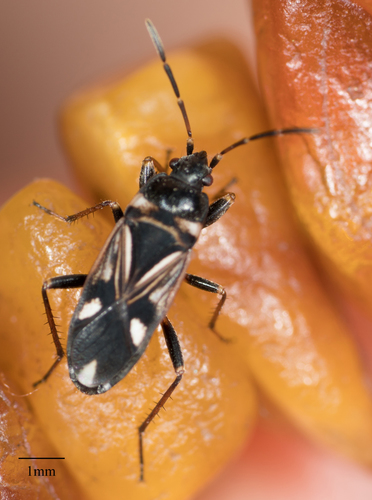
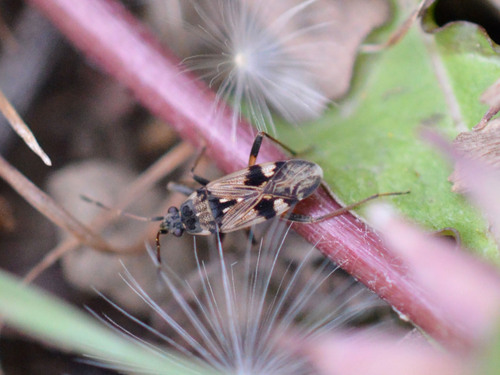
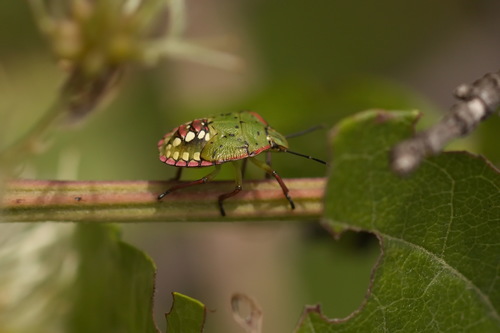
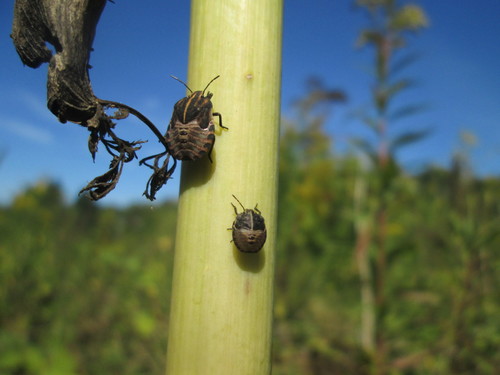
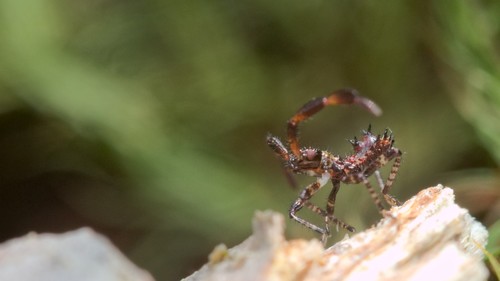
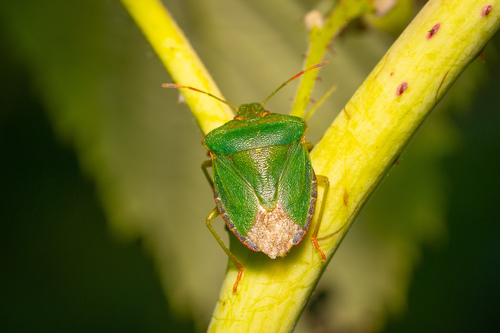
What are the chances of seeing a Bright-Spotted Groundbug in Budapest?
With luck
About 10% of wildlife watchers report a Bright-Spotted Groundbug sighting in Budapest on a given day, based on 11 verified sightings from GBIF citizen-science data. It is the 195th most-seen of the 404 insects we can rate there. Over three days the chance rises to about 20%, and over a week to about 40%, if each day is a fresh chance.
When is the best time to see a Bright-Spotted Groundbug in Budapest?
January, March–May, July and September
In those months about 10% of wildlife watchers report a Bright-Spotted Groundbug in Budapest on a given day, against under 5% in February, June, August and October–December, the lowest months.
What time of day is best to see a Bright-Spotted Groundbug?
Between noon and 3 pm
Across all the parks we cover, that three-hour window holds the most Bright-Spotted Groundbug sightings with a recorded time, and about 8 in 10 of them come between 6 am and 6 pm: it is a daytime animal.
Is Budapest the best place to see a Bright-Spotted Groundbug?
Among the best
Of the 24 cities where we can rate Bright-Spotted Groundbug sightings, Budapest ranks 16th at about 10%, level with the leaders once rounded. The best odds are in Tashkent (Uzbekistan, about 10%), Warsaw (Poland, about 10%) and Kharkiv (Ukraine, about 10%).
Which relatives of the Bright-Spotted Groundbug live in Budapest?
Same family: Rhyparochromidae
The closest relatives of the Bright-Spotted Groundbug that you can see in Budapest (family Rhyparochromidae, Dirt-colored Seed Bugs) are White-Spotted Groundbug (about 10%), Coastal Groundbug (about 10%) and Aellopus atratus (about 10%), with each one's daily chance of a sighting.
Where does the Bright-Spotted Groundbug sighting chance come from?
GBIF citizen-science records
It is estimated from how often the Bright-Spotted Groundbug is recorded against all the insects logged in Budapest (11 verified sightings), calibrated against known sighting rates. Figures are rounded to the nearest 10% because citizen-science data supports honest approximations, not decimals, and months with records from fewer than five people show "—". How it works.