Hummingbird Clearwing

Hummingbird Clearwing

Hemaris thysbe

Daily sighting probability <5% · Rare
at Calgary

In 3 days ~10% in a week ~20%

9 Verified sightings at Calgary
95 In all 4 parks From 2019 to 2026
May Best month
☀️ Diurnal When it's spotted

About the Hummingbird Clearwing

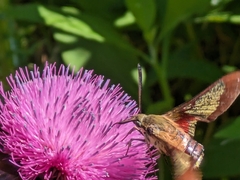
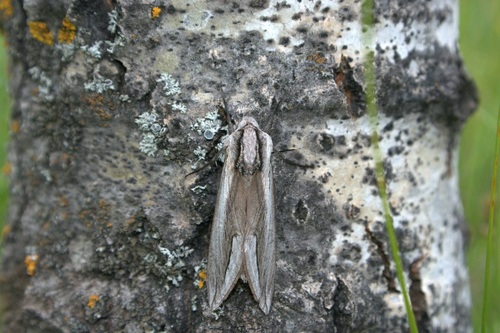
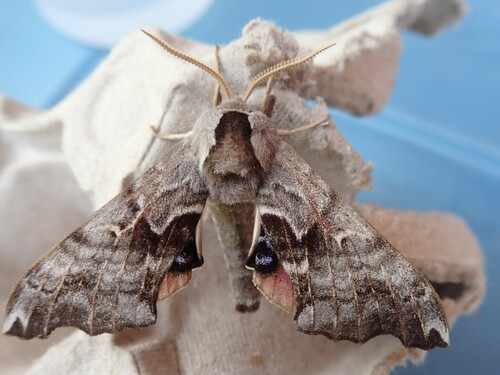
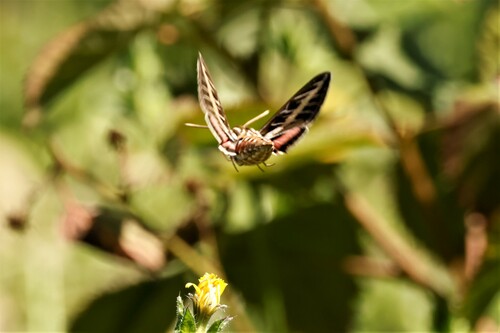
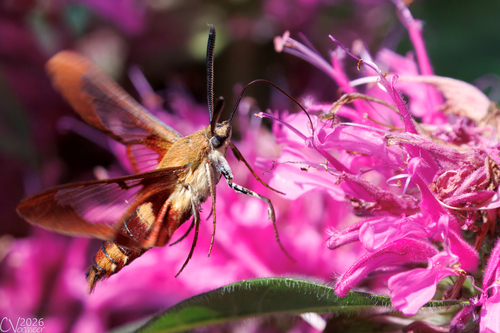
Hemaris thysbe, the hummingbird clearwing, is a moth of the family Sphingidae (hawkmoths). Coloration varies between individuals, but typically the moth is olive green and burgundy on its back, and white or yellow and burgundy on the underside. Its wings are transparent with a reddish-brown border. It has light-colored legs, which combined with the lack of striping on the underside is diagnostic. Beating its wings rapidly, H. thysbe hovers to collect nectar from a variety of flowers. The combination of its appearance and its behavior commonly leads to it being confused with a hummingbird or bumblebee.

Hemaris thysbe is found in a large portion of North America, with a range extending from Alaska to Oregon in the west and from Newfoundland to Florida in the east. It is a migratory species and is most common in southern Ontario and the eastern United States. H. thysbe has two broods a year in the southern portion of its range, but only one in the north. As a caterpillar, it feeds on honeysuckle, dogbane, and several types of fruit trees.

Due to the variable appearance of H. thysbe, it has often been mistakenly described as multiple distinct species. It was first described by Johan Christian Fabricius in 1775. The moth is a flower pollinator. Wikipedia →
Global Distribution

Parks Where Found

# Park Country Daily sighting probability
1 Shenandoah National Park 🇺🇸 United States
~10%
2 Riding Mountain National Park 🇨🇦 Canada
~10%
3 Acadia National Park 🇺🇸 United States
~10%
4 Jasper National Park 🇨🇦 Canada
~10%

Cities Where Found

# City Country Daily sighting probability
1 Washington 🇺🇸 United States
~10%
2 Chicago 🇺🇸 United States
~10%
3 Minneapolis [Saint Paul] 🇺🇸 United States
~10%
4 Detroit 🇺🇸 United States
~10%
5 Edmonton 🇨🇦 Canada
~10%
6 Baltimore 🇺🇸 United States
<5%
7 New York City 🇺🇸 United States
<5%
8 Boston 🇺🇸 United States
<5%
9 Toronto 🇨🇦 Canada
<5%
10 Philadelphia 🇺🇸 United States
<5%

Before you go

What are the chances of seeing a Hummingbird Clearwing in Calgary?

Rare

Under 5% of wildlife watchers report a Hummingbird Clearwing sighting in Calgary on a given day, based on 9 verified sightings from GBIF citizen-science data. It is the 167th most-seen of the 256 insects we can rate there. Over three days the chance rises to about 10%, and over a week to about 20%, if each day is a fresh chance.

When is the best time to see a Hummingbird Clearwing in Calgary?

Any time of year

In every month with enough records, under 5% of wildlife watchers report a Hummingbird Clearwing in Calgary on a given day, so our monthly data shows no clear season.

What time of day is best to see a Hummingbird Clearwing?

Between 11 am and 2 pm

Across all the parks we cover, that three-hour window holds the most Hummingbird Clearwing sightings with a recorded time, and about 9 in 10 of them come between 6 am and 6 pm: it is a daytime animal.

Is Calgary the best place to see a Hummingbird Clearwing?

12th of 12

Of the 12 cities where we can rate Hummingbird Clearwing sightings, Calgary ranks 12th at under 5%. The best odds are in Washington (United States, about 10%), Chicago (United States, about 10%) and Minneapolis [Saint Paul] (United States, about 10%).

Which relatives of the Hummingbird Clearwing live in Calgary?

Same family: Sphingidae

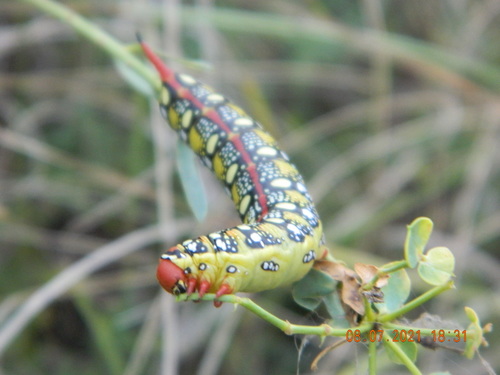
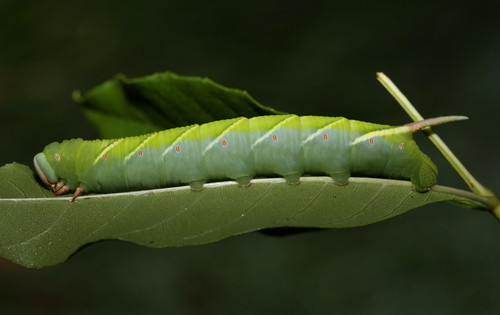
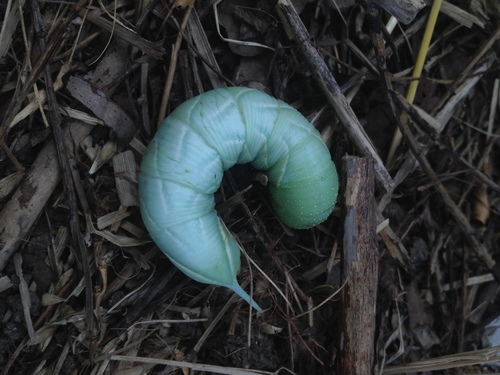
The closest relatives of the Hummingbird Clearwing that you can see in Calgary (family Sphingidae, Sphinx Moths) are Leafy Spurge Hawkmoth (about 10%) and Bedstraw Hawkmoth (about 10%), with each one's daily chance of a sighting.

Where does the Hummingbird Clearwing sighting chance come from?

GBIF citizen-science records

It is estimated from how often the Hummingbird Clearwing is recorded against all the insects logged in Calgary (9 verified sightings), calibrated against known sighting rates. Figures are rounded to the nearest 10% because citizen-science data supports honest approximations, not decimals, and months with records from fewer than five people show "—". How it works.

← Back to Calgary