Coronet

Coronet

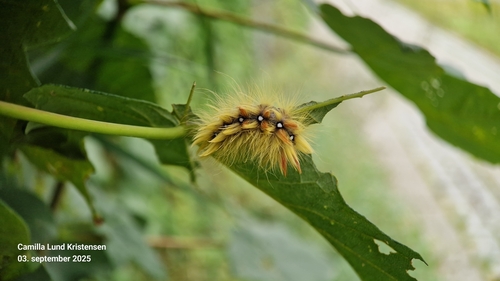
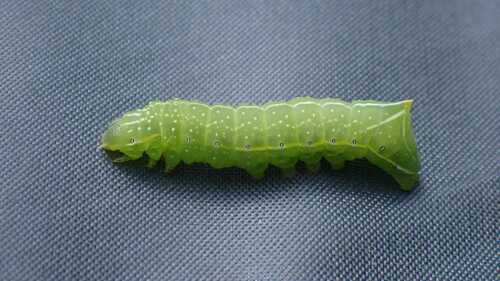
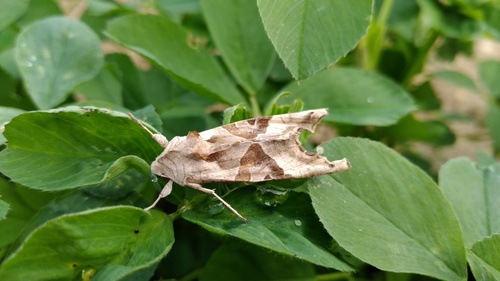
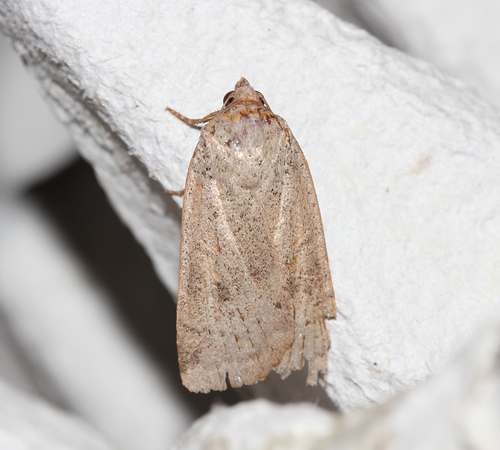
Craniophora ligustri

Daily sighting probability ~10% · With luck
at Copenhagen

In 3 days ~20% in a week ~30%

20 Verified sightings at Copenhagen
130 In all 4 parks From 2019 to 2026
August Best month
🌙 Nocturnal When it's spotted

About the Coronet

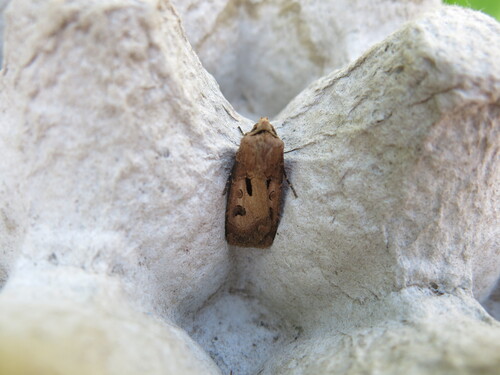
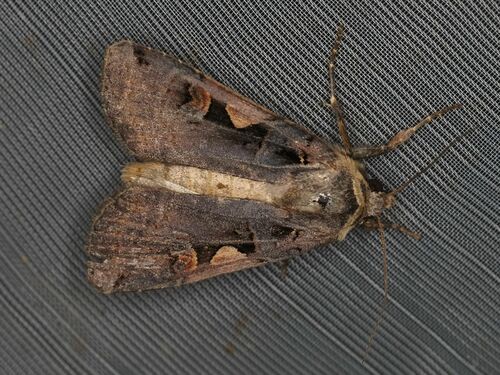
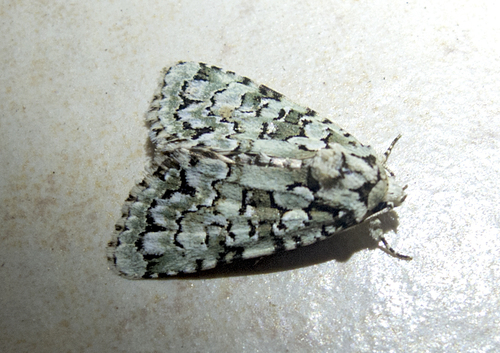
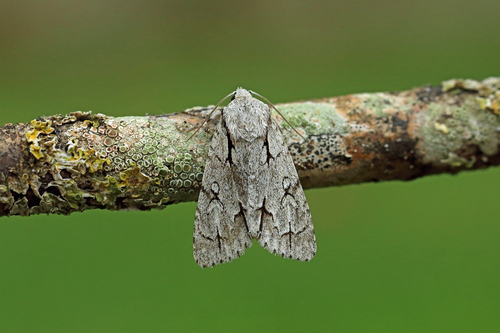
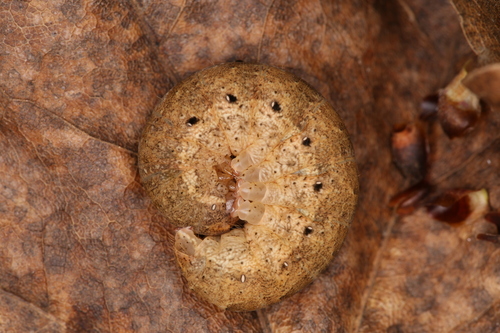
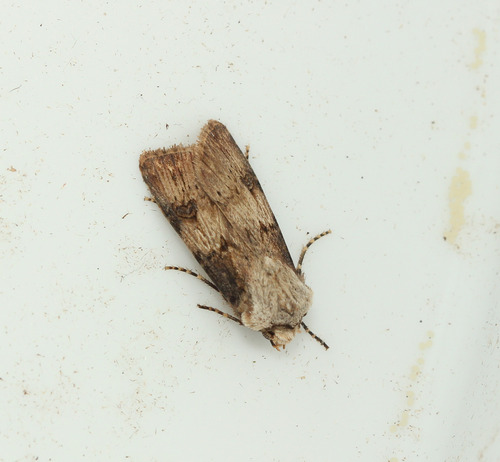
Craniophora ligustri, the coronet, is a moth of the family Noctuidae. The species was first described by Michael Denis and Ignaz Schiffermüller in 1775. It is found in Europe, through the Palearctic to Japan. It is found from western and central Europe to the Russian Far East, northern China, Japan and Korea. In the north, the range extends to southern Scandinavia, the Baltic States and central Russia (approximately north to Saint Petersburg) as well as Ukraine. However, on the Iberian Peninsula, the species is limited to the north. In the eastern Mediterranean, it reaches northern Greece with smaller isolated occurrence in central Greece and the Peloponnese. The distribution area also includes Israel, Asia Minor and the Caucasus. It occurs in Cyprus.

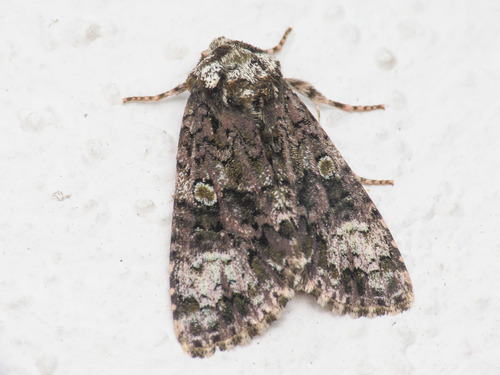
The wingspan is 30–35 mm. Its forewings are purplish fuscous, more or less greenish tinged, with a paler patch beyond the cell; prothorax conspicuously whitish. — ab. sundevalli Lampa is a form in which both forewing and thorax are entirely dark olive green. ab. nigra Tutt has the forewing black throughout, without any green tinge, and has only been taken in the North of England; lastly, in ab. coronula... Wikipedia →
Global Distribution

Parks Where Found

# Park Country Daily sighting probability
1 Pyrénées National Park 🇫🇷 France
~10%
2 Bavarian Forest National Park 🇩🇪 Germany
~10%
3 Cévennes National Park 🇫🇷 France
~10%
4 Wadden Sea National Park 🇩🇪 Germany
~10%

Cities Where Found

# City Country Daily sighting probability
1 Birmingham 🇬🇧 United Kingdom
~10%
2 Essen 🇩🇪 Germany
~10%
3 London 🇬🇧 United Kingdom
~10%
4 Copenhagen 🇩🇰 Denmark
~10%
5 Amsterdam 🇳🇱 Netherlands
~10%
6 Paris 🇫🇷 France
<5%
7 Berlin 🇩🇪 Germany
<5%
8 Vienna 🇦🇹 Austria
<5%
9 Prague 🇨🇿 Czechia
<5%

Before you go

What are the chances of seeing a Coronet in Copenhagen?

With luck

About 10% of wildlife watchers report a Coronet sighting in Copenhagen on a given day, based on 20 verified sightings from GBIF citizen-science data. It is the 170th most-seen of the 476 insects we can rate there. Over three days the chance rises to about 20%, and over a week to about 30%, if each day is a fresh chance.

When is the best time to see a Coronet in Copenhagen?

July and August

In those months about 10% of wildlife watchers report a Coronet in Copenhagen on a given day, against under 5% in September to June, the lowest months.

What time of day is best to see a Coronet?

Between 10 pm and 1 am

Across all the parks we cover, that three-hour window holds the most Coronet sightings with a recorded time, and about 7 in 10 of them come between 6 pm and 6 am: it is mostly seen at night.

Is Copenhagen the best place to see a Coronet?

Among the best

Of the 9 cities where we can rate Coronet sightings, Copenhagen ranks 4th at about 10%, level with the leaders once rounded. The best odds are in Birmingham (United Kingdom, about 10%), Essen (Germany, about 10%) and London (United Kingdom, about 10%).

Which relatives of the Coronet live in Copenhagen?

Same family: Noctuidae

The closest relatives of the Coronet that you can see in Copenhagen (family Noctuidae, Cutworm Moths and Allies) are Large Yellow Underwing (about 20%), Silver Υ (about 10%) and Sycamore Moth (about 10%), with each one's daily chance of a sighting.

Where does the Coronet sighting chance come from?

GBIF citizen-science records

It is estimated from how often the Coronet is recorded against all the insects logged in Copenhagen (20 verified sightings), calibrated against known sighting rates. Figures are rounded to the nearest 10% because citizen-science data supports honest approximations, not decimals, and months with records from fewer than five people show "—". How it works.

← Back to Copenhagen