









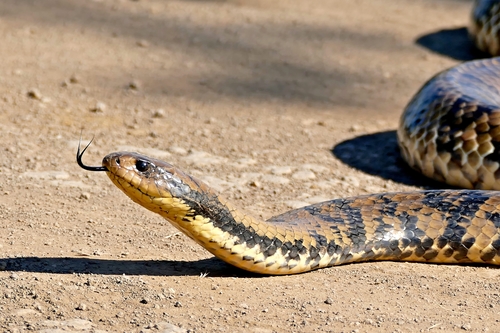




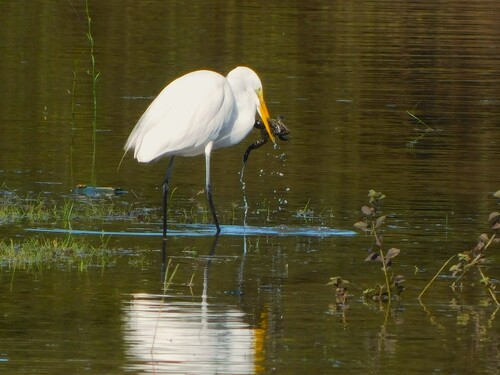


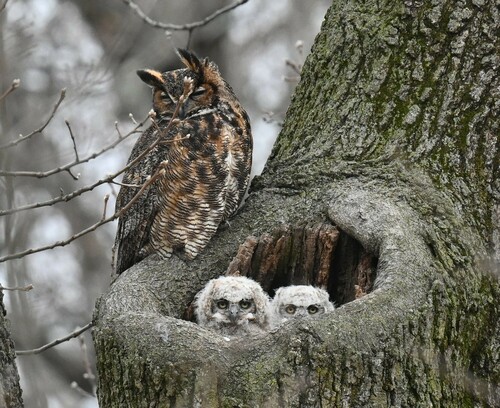


All 5 in 3 days here: ~60%
Iberá National Park
🇦🇷 Argentina
Corrientes, Argentina 770 spp. recorded
Iberá is the easiest wildlife watching in Argentina. Yacaré caimans line the lagoon edges, capybaras graze in family groups beside the paths, and marsh deer — the largest deer in South America — feed in the open water meadows. All three are recorded on around nine of every ten visits.
-28.254° S 57.473° W
🦜 Nature

419 Species sighted
107,877 Verified sightings From 2019 to 2026
Oct Best month
⭐ Iconic Species
📊 Most Spotted
⭐ Iconic Species
📊 Most Spotted
⭐ Iconic Species
📊 Most Spotted
⭐ Iconic Species
📊 Most Spotted
📊 Most Spotted
📊 Most Spotted
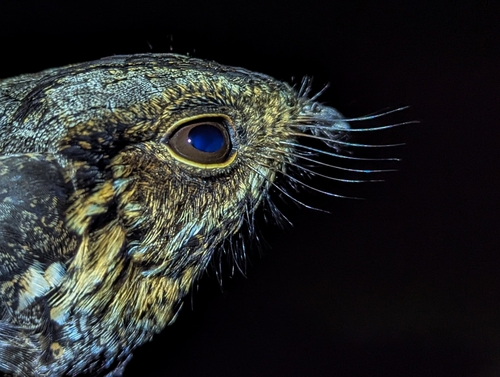
🌙 Most active after dark
+ 445 more species with insufficient data
Challenges you can complete here
Recent sightings in Iberá National Park
LIVEiNaturalistSighting Calendar
How many species you'd see in a day
68Jan
66Feb
60Mar
63Apr
64May
59Jun
55Jul
59Aug
73Sep
78Oct
73Nov
64Dec
Sighting Zones
Warmer areas are where all species together are recorded most often.
-
Portal Cambyretá
Daily sight. prob.vs avg -
Portal Lobo Cuá
-
Reserva Natural Don Luis
Daily sight. prob.vs avg -
Sendero del Portal Laguna Iberá
Daily sight. prob.vs avg -
Portal San Nicolás
Daily sight. prob.vs avg


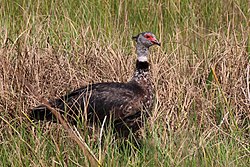

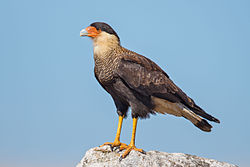
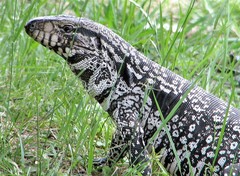


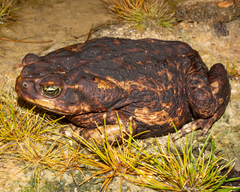

🏕️ Experience
Essentials
Entrance
Paid
Tourism
Low
Typical stay
2–3
daysTrails
Easy
World Heritage
No
Climate
Temp °C Rain mm
JanFebMarAprMayJunJulAugSepOctNovDec
0.0 Excellent
Wallace's Line Score
How good is this park for seeing wildlife? 🦜
Biodiversity
GoodHow rich is the wildlife?
3.5
Species by taxon
🦅 Birds 495
🐒 Mammals 106
🦎 Reptiles 114
🐸 Amphibians 55
770 Total Species
828 Global average across 316 parks
25 Threatened 25 Endemic
🔭
Sighting
ExcellentHow likely to see animals?
4.8
🎯
Top-12 Avg Probability
76% 📊
Coverage (264 species at ≥5% of 770 in the inventory)
34% 🔀
Taxon variety in top 12 (10 bird, 1 mammal, 1 reptile)
39% 🔭
Species per 10 outings (distinct species a visitor would meet over 10 outings — effort held equal across parks)
181 🌟
Iconic-group species (≥15%) (every species from the 19 iconic groups — monkeys, cats, toucans, macaws, sloths, crocodilians… — not just the 4 highlighted above)
19 ⭐
High-prob species (>40%)
52 🏕️
Experience
ExcellentHow easy and pleasant is the visit?
4.4
Climate Pleasant High
Entrance Paid Low
Tourism Medium Medium
Trails Easy High
World Heritage No —
What visitors say
From the car, we see caimans, herons, caracaras, capybaras, water buffalo, owls, and many water birds.
In the nearby lake, we spotted our first caiman, and, along the dusty trail, we saw two guazunchos (a type of small dear).
In real time, we were flipping through the pages of a guidebook and checking off every single bird species as seen: roseate spoonbills, white-faced ibis, ringed kingfishers, stilts, storks, caracaras, herons, the strange-tailed tyrant.
During our drive back from the Laguna Ibera, we saw a grey fox, a caracara, and a few rhea birds(an ostrich-like bird native to South America).
Before you go
What animals can you see in Iberá National Park?
770 species
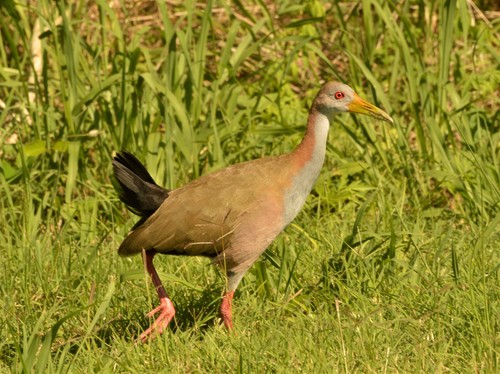
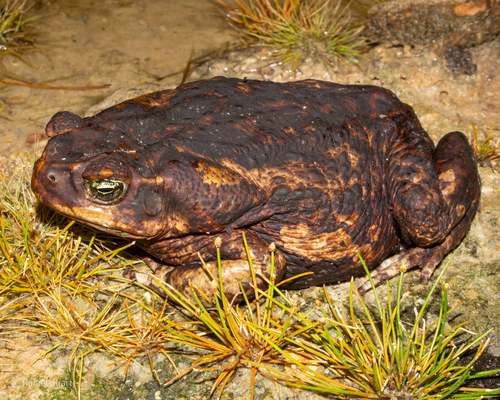
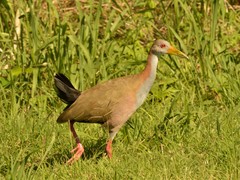
Iberá National Park has 770 recorded vertebrate species. The ones wildlife watchers report most often on a given day are Capybara (about 80%), Yacare Caiman (about 80%), Great Kiskadee (about 80%), Giant Wood-Rail (about 80%) and Southern Lapwing (about 80%). Among amphibians, the most-seen is Cururu Toad (about 40%).
When is the best time to visit Iberá National Park for wildlife?
March–May and September–October
In those months the park's 12 most-seen species average about 80% on a given day, against about 70% in June–August and November–February.
Can you see a Yacare Caiman in Iberá National Park?
Yes
About 80% of wildlife watchers report a Yacare Caiman sighting in Iberá National Park on a given day, based on 416 verified sightings from GBIF citizen-science data from 2019 to 2026. The best time is April and July (about 90%).
Can you see a Marsh Deer in Iberá National Park?
Yes
About 70% of wildlife watchers report a Marsh Deer sighting in Iberá National Park on a given day, based on 458 verified sightings from GBIF citizen-science data from 2019 to 2026. The best time is January, April and June (about 80%).
Can you see a Capybara in Iberá National Park?
Yes
About 80% of wildlife watchers report a Capybara sighting in Iberá National Park on a given day, based on 440 verified sightings from GBIF citizen-science data from 2019 to 2026. The best time is April–May, July and October–November (about 90%).
Can you see a Red-and-green Macaw in Iberá National Park?
With luck
About 10% of wildlife watchers report a Red-and-green Macaw sighting in Iberá National Park on a given day, based on 239 verified sightings from GBIF citizen-science data from 2019 to 2026. The best time is May (about 30%). Sightings take luck and time in the field.
Where in Iberá National Park is wildlife easiest to see?
Around Portal Cambyretá
The richest sighting zone is around Portal Cambyretá, followed by Portal Lobo Cuá and Reserva Natural Don Luis, ranked by how many of the park's headline animals visitors can expect to see in each. See the zones on the map.
Is Iberá National Park good for wildlife watching?
4.3 out of 5
On the Wallace's Line Score, Iberá National Park rates 4.3/5: 70th of 316 parks worldwide and 8th in South America. 70 of its species are reported by about 40% or more of wildlife watchers on a given day.


