City
Harare
🇿🇼 Zimbabwe
Africa, Zimbabwe 351 spp. recorded
Harare is the capital and largest city of Zimbabwe. The city is situated in north-eastern Zimbabwe in the country's Mashonaland region. Harare Metropolitan Province incorporates the city and the municipalities of Chitungwiza, Epworth and Ruwa. Wikipedia
17.888° S 31.026° E
🦜 Nature

351 Species sighted
18,152 Verified sightings From 2019 to 2026
Jan Best month
⭐ Iconic Species


📊 Most Spotted







📊 Most Spotted



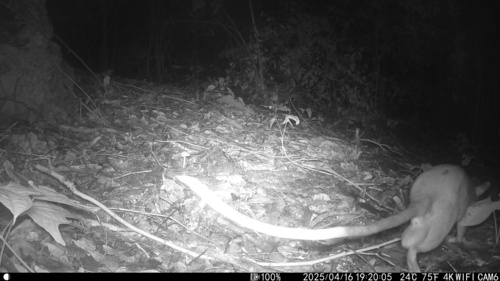


LC
 Blue Wildebeest
Connochaetes taurinus

LC
 Sable Antelope
Hippotragus niger

 Slender Mongoose
Galerella sanguinea

LC
 Vervet Monkey
Chlorocebus pygerythrus

LC
 Mohol Bushbaby
Galago moholi
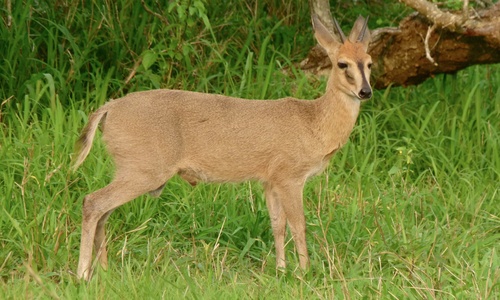
LC
 Bush Duiker
Sylvicapra grimmia

LC
 Pygmy Mouse
Mus minutoides
⭐ Iconic Species
📊 Most Spotted
📊 Most Spotted
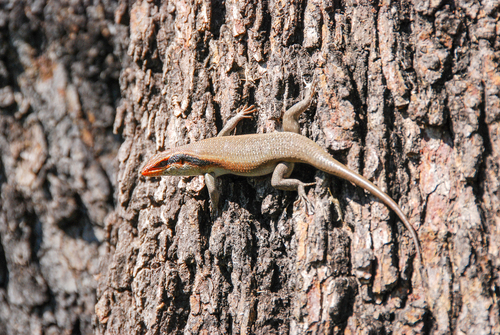


LC
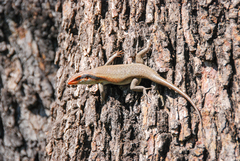
 Kirk's Rock Agama
Agama kirkii

 Speke's Hinge-back Tortoise
Kinixys spekii

LC
 Southern African Python
Python natalensis

LC
 Variable Skink
Trachylepis varia
📊 Most Spotted


LC
 Painted Reed Frog
Hyperolius marmoratus

LC
 Senegal Kassina
Kassina senegalensis

LC
 Red-Banded Rubber Frog
Phrynomantis bifasciatus

LC
Mababe puddle frog
Phrynobatrachus mababiensis

LC
 Common Squeaker
Arthroleptis stenodactylus

LC
 Shovel-nosed Frog
Hemisus marmoratus

LC
 Giant bullfrog
Pyxicephalus adspersus

LC
Pointed Long Reed Frog
Hyperolius nasicus
📊 Most Spotted
🌙 Most active after dark


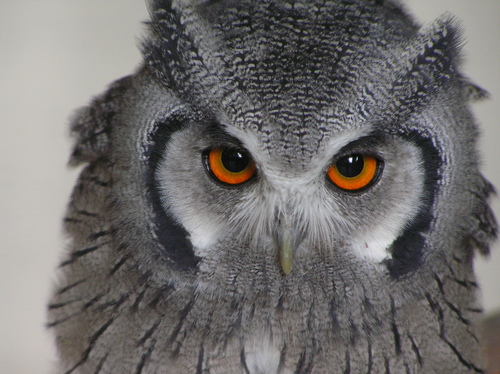


LC
 Madagascar Cuckoo
Cuculus rochii
Recent sightings in Harare
LIVEiNaturalistWhere to look
Warmer areas are where all species together are recorded most often.
-
Monavale Marsh
Daily sight. prob.vs avg African Split-skin Toad~90%+70%
 Yellow-shouldered Widowbird~80%+70%
 Yellow-throated Longclaw~70%+60%
 Red-collared Widowbird~70%+50%
 Red-eyed Dove~60%-10%
- Pointed Long Reed Frog~50%+50%
 Painted Reed Frog~50%+40%
 Tropical House Gecko~50%+20%
-
Marlborough Vlei Sewage Works









Sighting Calendar
How many species you'd see in a day
42Jan
33Feb
42Mar
36Apr
41May
34Jun
30Jul
31Aug
32Sep
37Oct
37Nov
39Dec
🏙️ City
Essentials
Green cover
Medium
Protected land
0.9%
Protected sea
—
Protected areas
3
areasWildlife spots
6
spotsZoos & centres
0
placesClimate
Subtropical highland
World Heritage
No
Climate
Temp °C Rain mm
JanFebMarAprMayJunJulAugSepOctNovDec
0.0 Excellent
Wallace's Line Score
How good is this city for seeing wildlife? 🦜
Biodiversity
Very goodHow rich is the wildlife?
4.5
Species by taxon
🦅 Birds 585
🐒 Mammals 156
🦎 Reptiles 112
🐸 Amphibians 46
899 Total Species
679 Global average across 380 cities
31 Threatened 0 Endemic
🔭
Sighting
Very goodHow likely to see animals?
4.3
🎯
Top-12 Avg Probability
68% 📊
Coverage (177 species at ≥5% of 899 in the inventory)
20% 🔀
Taxon variety in top 12 (12 bird)
0% 🌟
Iconic-group species (≥15%) (every species from the 19 iconic groups — monkeys, cats, toucans, macaws, sloths, crocodilians… — not just the 4 highlighted above)
4 ⭐
High-prob species (>40%)
17 🏕️
Experience
GoodHow easy and pleasant is the visit?
3.4
Climate Mixed Medium
Green cover Medium Medium
Protected land & sea 0.9% land Low
Protected areas 3 Medium
Wildlife spots 6 Medium
Zoos & centres 0 Low
What visitors say
Before you go
What animals can you see in Harare?
351 species
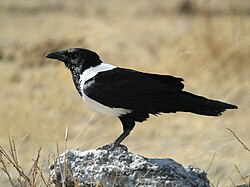
Harare's urban area has 351 recorded vertebrate species. The ones wildlife watchers report most often on a given day are Common Bulbul (about 90%), Pied Crow (about 90%), Purple-Crested Turaco (about 80%), Red-eyed Dove (about 70%) and Laughing Dove (about 70%). Among mammals, the most-seen is Common Eland (about 20%); among reptiles, Wahlberg’s Striped Skink (about 40%); among amphibians, African Common Toad (about 20%).
When is the best time to see wildlife in Harare?
May
In that month the city's 12 most-seen species average about 80% on a given day, against about 60% in January, June and November. That is one of Harare's driest months, with about 5 mm of rain against 200 mm in December.
Can you see a Purple-Crested Turaco in Harare?
Yes
About 80% of wildlife watchers report a Purple-Crested Turaco sighting in Harare on a given day, based on 603 verified sightings from GBIF citizen-science data from 2019 to 2026. The best time is October (about 90%).
Can you see an Arrow-marked Babbler in Harare?
Yes
About 70% of wildlife watchers report an Arrow-marked Babbler sighting in Harare on a given day, based on 493 verified sightings from GBIF citizen-science data from 2019 to 2026. The best time is April–May, August and October (about 80%).
Can you see a Crested Barbet in Harare?
Yes
About 60% of wildlife watchers report a Crested Barbet sighting in Harare on a given day, based on 450 verified sightings from GBIF citizen-science data from 2019 to 2026. The best time is April and May (about 80%).
Where in Harare is wildlife easiest to see?
Mukuvisi Woodlands
The spot where most wildlife watchers record their sightings is Mukuvisi Woodlands (205 bird species recorded), followed by Monavale Marsh and Marlborough Vlei Sewage Works. See them on the map.
Is Harare good for wildlife watching?
4.3 out of 5
On the Wallace's Line Score, which rates each city against other cities, Harare gets 4.3/5: 125th of 380 cities worldwide and 13th in Africa. 19 of its species are reported by about 40% or more of wildlife watchers on a given day.
Nearest Cities


Nearest Parks


Nearest Zoos & Centres

Sources: urban area GHSL Urban Centre Database R2024A, European Commission JRC (CC BY 4.0) · protected land WDPA, UNEP-WCMC & IUCN (via GHSL) · climate NASA POWER · wildlife GBIF.org citizen-science data