










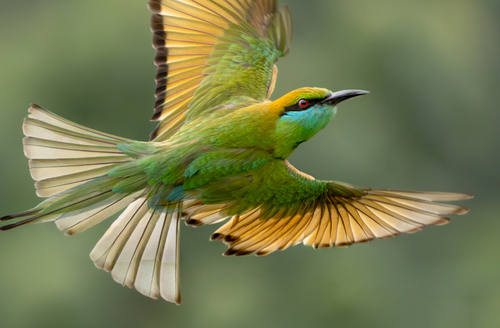


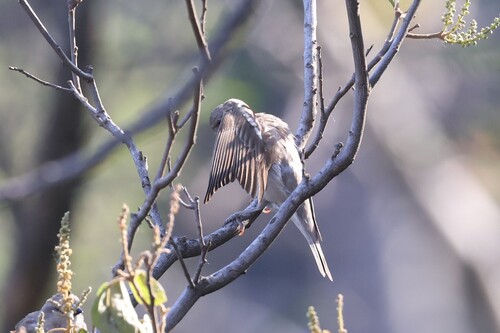


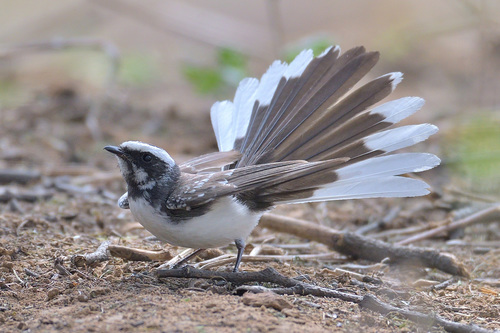


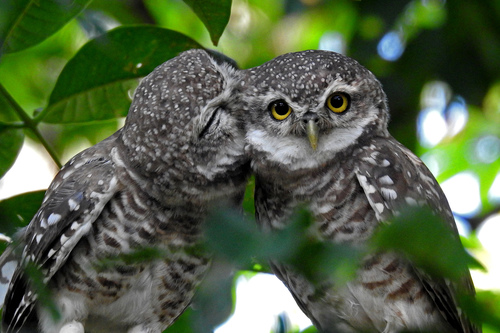




All 5 in 3 days here: ~10%
City
Jaipur
🇮🇳 India
Asia, India 303 spp. recorded
Jaipur is the capital and the largest city of the north-western Indian state of Rajasthan. Wikipedia
26.892° N 75.766° E
🦜 Nature

303 Species sighted
35,770 Verified sightings From 2019 to 2026
Mar Best month
⭐ Iconic Species
📊 Most Spotted
⭐ Iconic Species
📊 Most Spotted

LC
 Red Fox
Vulpes vulpes

 Mongoose
Herpestes javanicus

LC
 Greater Bandicoot-rat
Bandicota indica

 Ruddy Mongoose
Herpestes smithii

LC
 Wild Boar
Sus scrofa

LC
 Asian Jackal
Canis aureus

LC
 Asian House Shrew
Suncus murinus

NT
 Indian Flying Fox
Pteropus medius

LC
 Bengal Fox
Vulpes bengalensis
📊 Most Spotted
📊 Most Spotted
LC
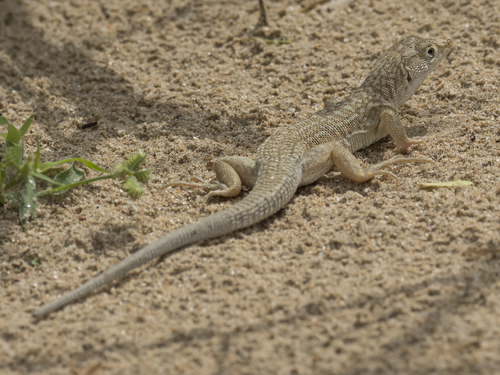
Indian Fringe-fingered Lizard
Acanthodactylus cantoris

LC
 Northern House Gecko
Hemidactylus flaviviridis

LC
 Khorat Blind Snake
Indotyphlops braminus

NT
 Bengal Monitor
Varanus bengalensis

LC
 Trinket Snake
Coelognathus helena

LC
 Saw-scaled Viper
Echis carinatus
LC
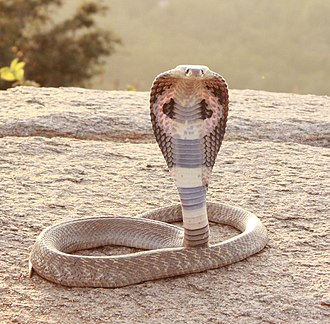
 Indian Cobra
Naja naja

LC
Jerdon's Snake-eye
Ophisops jerdonii

LC
Glossy-bellied Racer
Platyceps ventromaculatus

LC
Black-headed Royal Snake
Spalerosophis atriceps

Kushmore House Gecko
Hemidactylus kushmorensis
📊 Most Spotted

LC
 Indus Valley Bullfrog
Hoplobatrachus tigerinus
📊 Most Spotted
⭐ Iconic Species
🌙 Most active after dark
Challenges you can complete here
Recent sightings in Jaipur
LIVEiNaturalistWhere to look
Warmer areas are where all species together are recorded most often.
-
Jawaharnagar Forest Nursery
-
Jantar Mantar
Daily sight. prob.vs avg -
Central Park
Daily sight. prob.vs avg -
Nahargarh Fort, Jaipur
-
Jawahar Circle Garden








Sighting Calendar
How many species you'd see in a day
27Jan
32Feb
33Mar
30Apr
28May
28Jun
25Jul
31Aug
28Sep
25Oct
27Nov
28Dec
🏙️ City
Essentials
Green cover
Low
Protected land
—
Protected sea
—
Protected areas
—
Wildlife spots
12
spotsZoos & centres
1
placesClimate
Hot semi-arid
Climate
Temp °C Rain mm
JanFebMarAprMayJunJulAugSepOctNovDec
Zoos & rescue centres

0.0 World-class
Wallace's Line Score
How good is this city for seeing wildlife? 🦜
Biodiversity
Very goodHow rich is the wildlife?
4.2
Species by taxon
🦅 Birds 469
🐒 Mammals 80
🦎 Reptiles 58
🐸 Amphibians 10
617 Total Species
679 Global average across 380 cities
43 Threatened 9 Endemic
🔭
Sighting
ExcellentHow likely to see animals?
4.8
🎯
Top-12 Avg Probability
62% 📊
Coverage (137 species at ≥5% of 617 in the inventory)
22% 🔀
Taxon variety in top 12 (10 bird, 2 mammal)
37% 🌟
Iconic-group species (≥15%) (every species from the 19 iconic groups — monkeys, cats, toucans, macaws, sloths, crocodilians… — not just the 4 highlighted above)
9 ⭐
High-prob species (>40%)
21 🏕️
Experience
GoodHow easy and pleasant is the visit?
3.1
Climate Mixed Medium
Green cover Low Low
Protected land & sea — Low
Protected areas 0 Low
Wildlife spots 12 High
Zoos & centres 1 Medium
What visitors say
Before you go
What animals can you see in Jaipur?
303 species
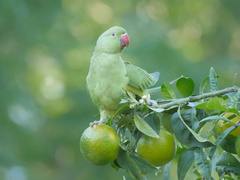
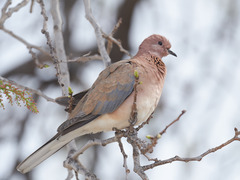
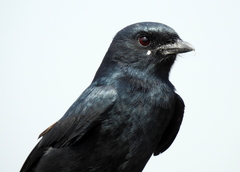
Jaipur's urban area has 303 recorded vertebrate species. The ones wildlife watchers report most often on a given day are Rock Pigeon (about 70%), Laughing Dove (about 70%), Rose-ringed Parakeet (about 70%), Rufous Treepie (about 70%) and Black Drongo (about 60%). Among mammals, the most-seen is Rhesus Macaque (about 60%); among reptiles, Oriental Garden Lizard (about 20%).
When is the best time to see wildlife in Jaipur?
March and May–June
In those months the city's 12 most-seen species average about 70% on a given day, against about 50% in December.
Can you see a Nilgai in Jaipur?
Yes
About 50% of wildlife watchers report a Nilgai sighting in Jaipur on a given day, based on 50 verified sightings from GBIF citizen-science data from 2019 to 2026. The best time is March, July and September (about 60%).
Can you see a Rhesus Macaque in Jaipur?
Yes
About 60% of wildlife watchers report a Rhesus Macaque sighting in Jaipur on a given day, based on 55 verified sightings from GBIF citizen-science data from 2019 to 2026. The best time is February (about 80%).
Can you see a Northern Plains Gray Langur in Jaipur?
Yes
About 40% of wildlife watchers report a Northern Plains Gray Langur sighting in Jaipur on a given day, based on 21 verified sightings from GBIF citizen-science data from 2019 to 2026. The best time is July (about 60%).
Where in Jaipur is wildlife easiest to see?
Jhalana Safari Park
The spot where most wildlife watchers record their sightings is Jhalana Safari Park (191 bird species recorded), followed by Jawaharnagar Forest Nursery and Floating Palace. See them on the map.
Is Jaipur good for wildlife watching?
4.7 out of 5
On the Wallace's Line Score, which rates each city against other cities, Jaipur gets 4.7/5: 50th of 380 cities worldwide and 23rd in Asia. 24 of its species are reported by about 40% or more of wildlife watchers on a given day.


Nearest Parks


Nearest Zoos & Centres


Sources: urban area GHSL Urban Centre Database R2024A, European Commission JRC (CC BY 4.0) · protected land WDPA, UNEP-WCMC & IUCN (via GHSL) · climate NASA POWER · wildlife GBIF.org citizen-science data