Citrus Flatid Planthopper

Citrus Flatid Planthopper

Metcalfa pruinosa

Daily sighting probability ~20% · Possible
at Kharkiv

In 3 days ~40% in a week ~70%

34 Verified sightings at Kharkiv
65 In all 6 parks From 2019 to 2026
August Best month
☀️ Diurnal When it's spotted

About the Citrus Flatid Planthopper

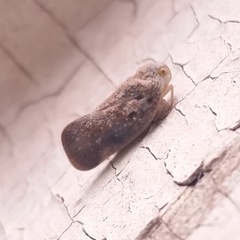
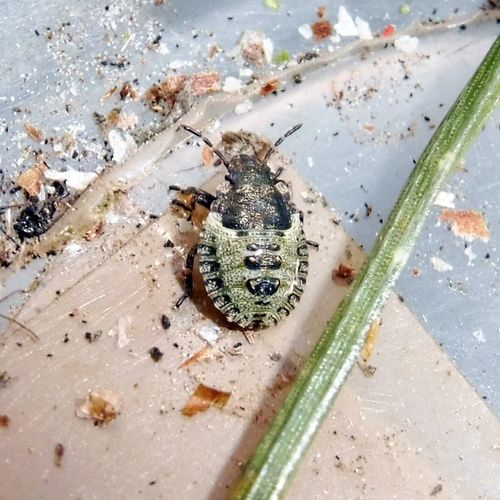
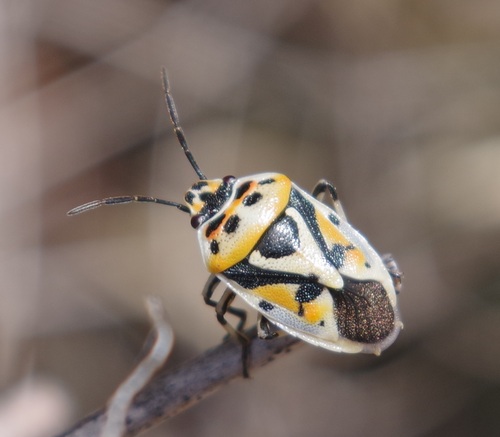
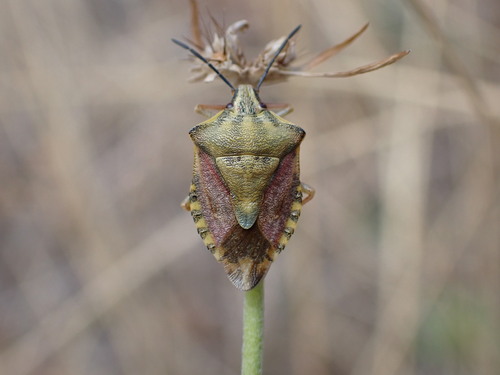
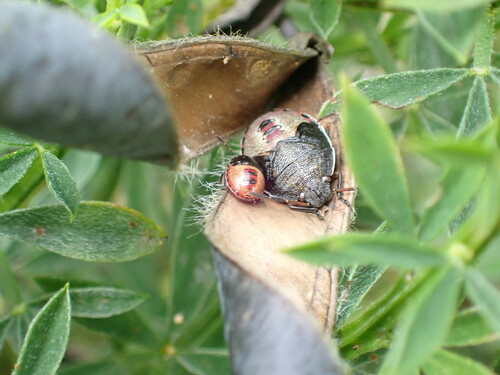
Metcalfa pruinosa, the citrus flatid planthopper, is a species of insect in the Flatidae family of planthoppers first described by Thomas Say in 1830. Metcalfa pruinosa cubana (Metcalf & Bruner, 1948) The species is native to North America (Nearctic realm), but it is today found throughout Europe (Austria, Britain, France, Spain, Italy, Hungary, Romania, Slovenia, Poland, Switzerland, and Moldova), in the Neotropical realm and in South Korea.

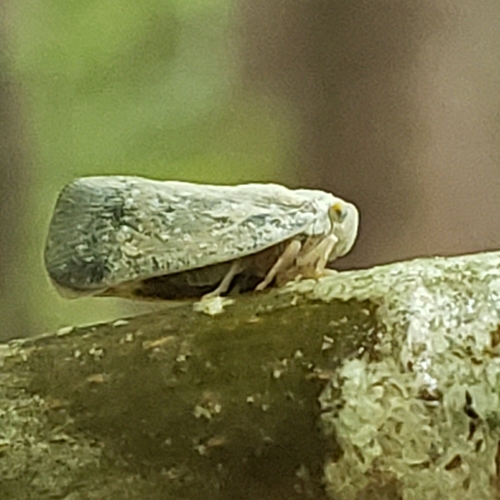
Adults of Metcalfa pruinosa can reach a length of 5.5–8 millimetres (7⁄32–5⁄16 in) and a width of 2–3 millimetres (5⁄64–1⁄8 in) at the widest point. They are initially whitish. The color of adults may vary from brown to gray, in connection with the presence of a bluish white epicuticular wax, covering especially the nymphs. The large and prominent compound eyes are yellow. The mouthparts are adapted for piercing and sucking. The trapezoidal forewings are held vertically, wrapping the body when the insect is at rest. The front wings have veined costal cell and several characteristic whitish spots. The hind tibiae usually have two lateral spines in addition to the other spines at the apex.

Nymphs... Wikipedia →
Global Distribution

Parks Where Found

# Park Country Daily sighting probability
1 Fertő-Hanság National Park 🇭🇺 Hungary
~10%
2 Big Cypress National Preserve 🇺🇸 United States
~10%
3 Shenandoah National Park 🇺🇸 United States
~10%
4 Great Smoky Mountains National Park 🇺🇸 United States
~10%
5 Cévennes National Park 🇫🇷 France
<5%
6 Merritt Island National Wildlife Refuge 🇺🇸 United States
<5%

Cities Where Found

# City Country Daily sighting probability
1 Sofia 🇧🇬 Bulgaria
~20%
2 Kyiv 🇺🇦 Ukraine
~20%
3 Kharkiv 🇺🇦 Ukraine
~20%
4 Budapest 🇭🇺 Hungary
~10%
5 Paris 🇫🇷 France
~10%
6 Istanbul 🇹🇷 Turkey
~10%
7 Lyon 🇫🇷 France
~10%
8 Washington 🇺🇸 United States
~10%
9 Vienna 🇦🇹 Austria
~10%
10 Boston 🇺🇸 United States
~10%

Before you go

What are the chances of seeing a Citrus Flatid Planthopper in Kharkiv?

Possible

About 20% of wildlife watchers report a Citrus Flatid Planthopper sighting in Kharkiv on a given day, based on 34 verified sightings from GBIF citizen-science data. It is the 46th most-seen of the 289 insects we can rate there. Over three days the chance rises to about 40%, and over a week to about 70%, if each day is a fresh chance.

When is the best time to see a Citrus Flatid Planthopper in Kharkiv?

August

In that month about 40% of wildlife watchers report a Citrus Flatid Planthopper in Kharkiv on a given day, against under 5% in June and November–April, the lowest months.

What time of day is best to see a Citrus Flatid Planthopper?

Between 10 am and 1 pm

Across all the parks we cover, that three-hour window holds the most Citrus Flatid Planthopper sightings with a recorded time, and about 7 in 10 of them come between 6 am and 6 pm: it is a daytime animal.

Is Kharkiv the best place to see a Citrus Flatid Planthopper?

Among the best

Of the 32 cities where we can rate Citrus Flatid Planthopper sightings, Kharkiv ranks 3rd at about 20%, level with the leaders once rounded. The best odds are in Sofia (Bulgaria, about 20%) and Kyiv (Ukraine, about 20%).

Which relatives of the Citrus Flatid Planthopper live in Kharkiv?

Same order: Hemiptera

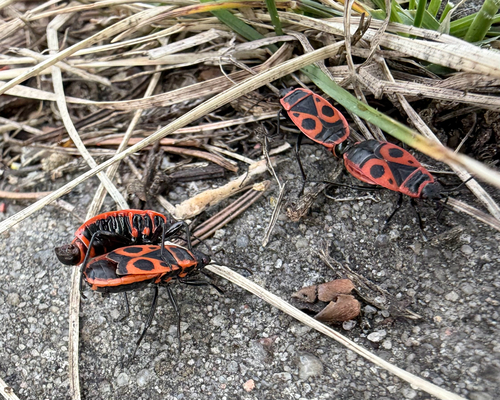
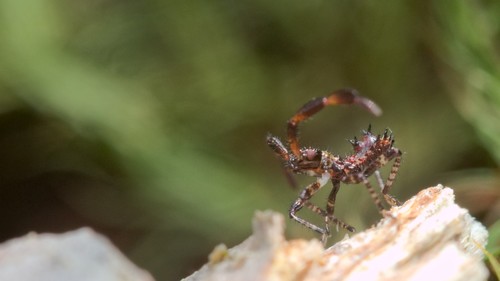
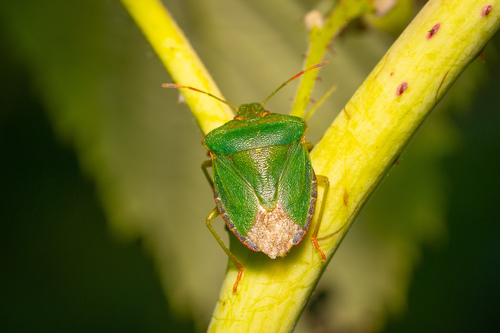
The closest relatives of the Citrus Flatid Planthopper that you can see in Kharkiv (order Hemiptera, True Bugs, Hoppers, Aphids, and allies) are European Firebug (about 40%), Dock Bug (about 30%) and Green Shield Bug (about 30%), with each one's daily chance of a sighting.

Where does the Citrus Flatid Planthopper sighting chance come from?

GBIF citizen-science records

It is estimated from how often the Citrus Flatid Planthopper is recorded against all the insects logged in Kharkiv (34 verified sightings), calibrated against known sighting rates. Figures are rounded to the nearest 10% because citizen-science data supports honest approximations, not decimals, and months with records from fewer than five people show "—". How it works.

← Back to Kharkiv