Winter Moth

Winter Moth

Operophtera brumata

Daily sighting probability ~10% · With luck
at Kharkiv

In 3 days ~20% in a week ~40%

8 Verified sightings at Kharkiv
44 In all 4 parks From 2019 to 2026
October Best month
☀️🌙 Day & Night When it's spotted

About the Winter Moth

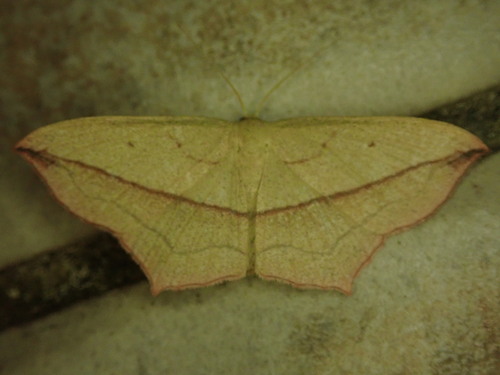
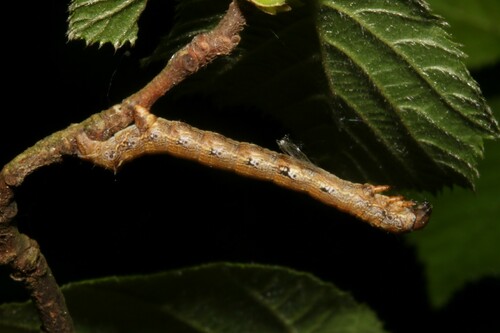
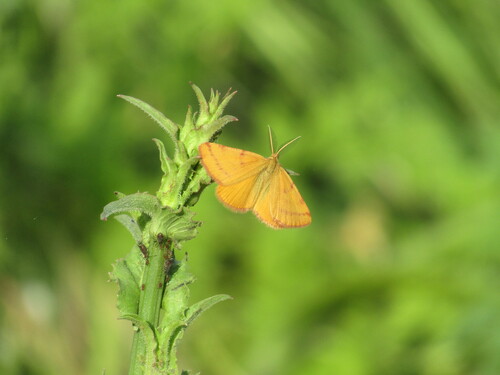
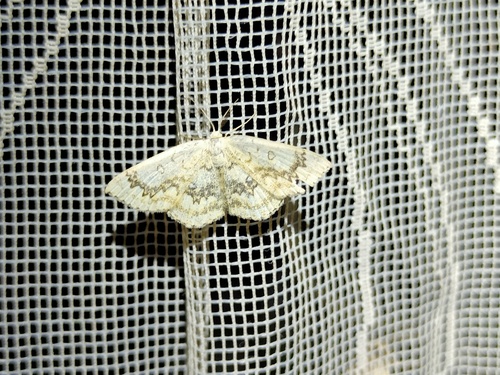
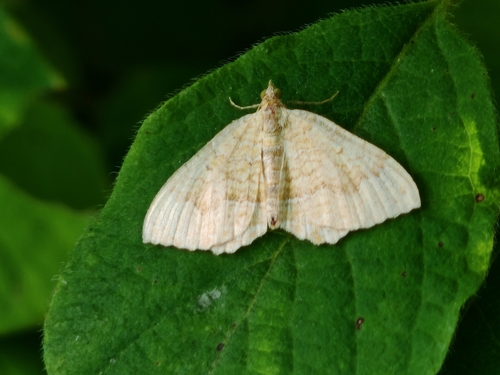
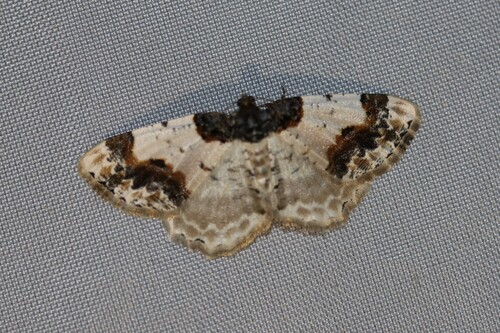
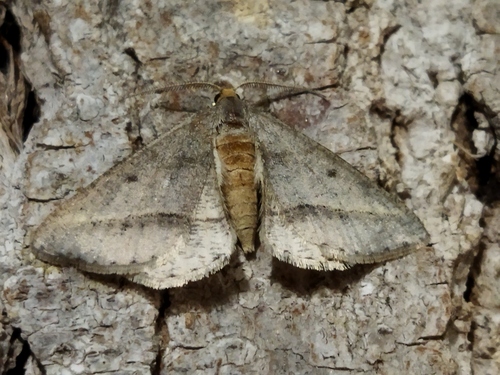
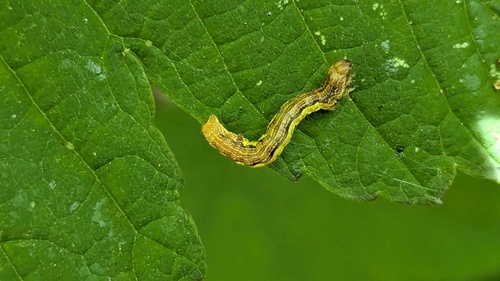
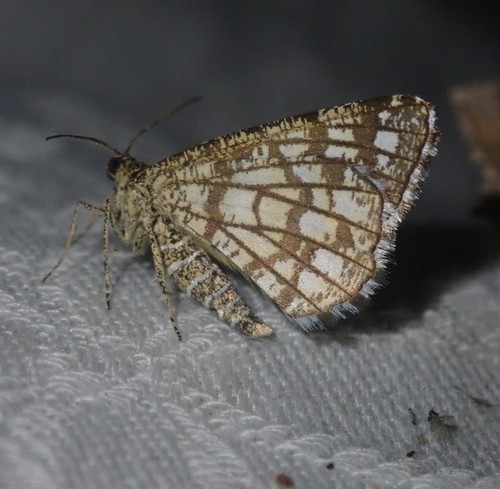
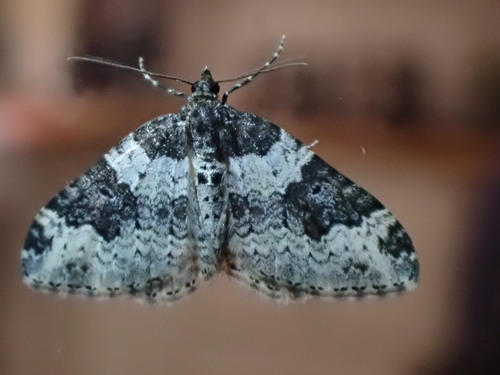
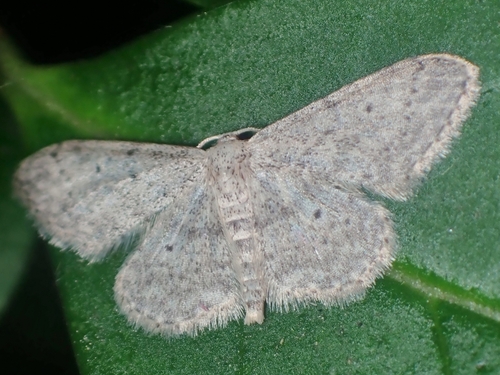
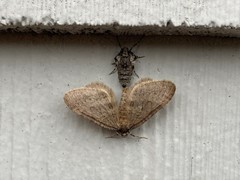
The winter moth (Operophtera brumata) is a moth of the family Geometridae. It is an abundant species in Europe and the Near East and a famous study organism for evaluating insect population dynamics. It is one of very few lepidopterans of temperate regions in which adults are active in late autumn and early winter. The females of this species are virtually wingless and cannot fly, but the males are fully winged and fly strongly. After the initial frosts of late fall, the females emerge from their pupae, walk to and up trees and emit pheromones in the evening to attract males. After fertilization, they ascend to lay, on average, around 100 eggs each. Typically, the larger the female moth is, the more eggs she lays.

The winter moth is considered an invasive species in North America. Nova Scotia, Canada, experienced the first confirmed infestations in the 1930s. It was later accidentally introduced to Oregon in the 1950s and the Vancouver area of British Columbia around 1970. Defoliation by the moth was first noted in eastern states of the United States in the late 1990s, and is now well established in Massachusetts, Rhode Island, New Hampshire and Maine. The winter moth is confirmed present in British Columbia, Washington and Oregon. In Massachusetts, the moths have attracted the attention of several media outlets due to the severity of the infestation. Efforts at biological control are underway. Wikipedia →
Global Distribution

Parks Where Found

# Park Country Daily sighting probability
1 Bavarian Forest National Park 🇩🇪 Germany
~10%
2 Cévennes National Park 🇫🇷 France
<5%
3 Pyrénées National Park 🇫🇷 France
<5%
4 Wadden Sea National Park 🇩🇪 Germany
<5%

Cities Where Found

# City Country Daily sighting probability
1 Prague 🇨🇿 Czechia
~10%
2 Lyon 🇫🇷 France
~10%
3 Vienna 🇦🇹 Austria
~10%
4 Sofia 🇧🇬 Bulgaria
~10%
5 Liverpool 🇬🇧 United Kingdom
~10%
6 Kharkiv 🇺🇦 Ukraine
~10%
7 London 🇬🇧 United Kingdom
~10%
8 Paris 🇫🇷 France
~10%
9 Rotterdam [The Hague] 🇳🇱 Netherlands
~10%
10 Berlin 🇩🇪 Germany
~10%

Before you go

What are the chances of seeing a Winter Moth in Kharkiv?

With luck

About 10% of wildlife watchers report a Winter Moth sighting in Kharkiv on a given day, based on 8 verified sightings from GBIF citizen-science data. It is the 235th most-seen of the 289 insects we can rate there. Over three days the chance rises to about 20%, and over a week to about 40%, if each day is a fresh chance.

When is the best time to see a Winter Moth in Kharkiv?

October and November

In those months about 30% of wildlife watchers report a Winter Moth in Kharkiv on a given day, against under 5% in December to September, the lowest months.

What time of day is best to see a Winter Moth?

Between 4 and 7 pm

Across all the parks we cover, that three-hour window holds the most Winter Moth sightings with a recorded time, and about 6 in 10 of them come between 6 am and 6 pm: it is seen both by day and at night.

Is Kharkiv the best place to see a Winter Moth?

Among the best

Of the 25 cities where we can rate Winter Moth sightings, Kharkiv ranks 6th at about 10%, level with the leaders once rounded. The best odds are in Prague (Czechia, about 10%), Lyon (France, about 10%) and Vienna (Austria, about 10%).

Which relatives of the Winter Moth live in Kharkiv?

Same family: Geometridae

The closest relatives of the Winter Moth that you can see in Kharkiv (family Geometridae, Geometer Moths) are Blood Vein (about 40%), Feathered Thorn (about 20%) and Purple-Barred Yellow (about 20%), with each one's daily chance of a sighting.

Where does the Winter Moth sighting chance come from?

GBIF citizen-science records

It is estimated from how often the Winter Moth is recorded against all the insects logged in Kharkiv (8 verified sightings), calibrated against known sighting rates. Figures are rounded to the nearest 10% because citizen-science data supports honest approximations, not decimals, and months with records from fewer than five people show "—". How it works.

← Back to Kharkiv