








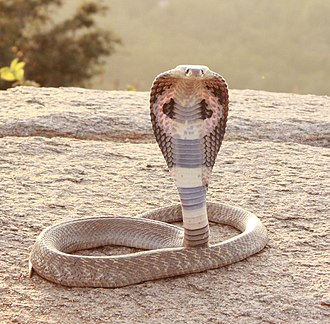




All 5 in 3 days here: ~20%
City
Kollam
🇮🇳 India
Asia, India 253 spp. recorded
Kollam is an ancient seaport and the fourth largest city in the Indian state of Kerala. Kollam is one of India's oldest continuously inhabited cities, with evidence of habitation stretching back to the megalithic period. The city has also been a maritime entrepôt for millennia, with the earliest attestation dating to the Phoenicians and Romans. Wikipedia
9.016° N 76.591° E
🦜 Nature

253 Species sighted
83,022 Verified sightings From 2019 to 2026
Jul Best month
⭐ Iconic Species
📊 Most Spotted
📊 Most Spotted

VU Endemic
 Bonnet Macaque
Macaca radiata

NT
 Leschenault’s Rousette
Rousettus leschenaultii

LC
 Jungle Cat
Felis chaus

LC
 Common Palm Civet
Paradoxurus hermaphroditus
⭐ Iconic Species
📊 Most Spotted
📊 Most Spotted

LC
 Keeled Indian Mabuya
Eutropis carinata

LC
 Dussumier's Litter Skink
Sphenomorphus dussumieri

LC
 Chequered Keelback
Fowlea piscator

Russell's Wolf Snake
Lycodon fasciolatus
LC
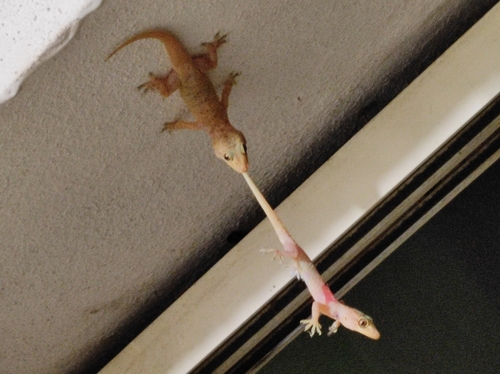
 Spotted House Gecko
Hemidactylus parvimaculatus

LC
 Common House Gecko
Hemidactylus frenatus
📊 Most Spotted

LC Endemic
 Malabar Gliding Frog
Rhacophorus malabaricus

LC Endemic
 Western Tree Frog
Polypedates occidentalis
📊 Most Spotted
⭐ Iconic Species
🌙 Most active after dark
Challenges you can complete here

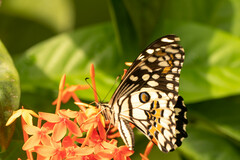
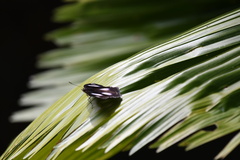
All 4 in 3 days here: <5%
Recent sightings in Kollam
LIVEiNaturalistWhere to look
Warmer areas are where all species together are recorded most often.
-
Fatima Mata National College, Kollam
-
Kollam Railway Station
-
Pavubma-Thodiyoor Bridge Road
-
Ashtamudi · Ashramam
-
Pavumba Bridge_Bund Road (പാവുമ്പാ പാലം_ബണ്ട് റോഡ്)
-
Varkala Beach and Clifftop


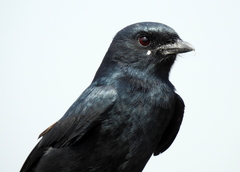

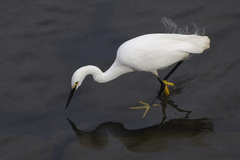


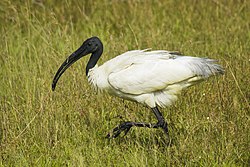

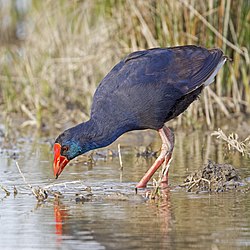


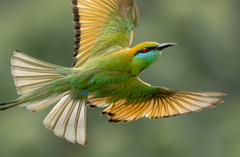
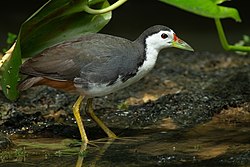

Sighting Calendar
How many species you'd see in a day
36Jan
34Feb
31Mar
30Apr
36May
32Jun
38Jul
30Aug
34Sep
30Oct
31Nov
34Dec
🏙️ City
Essentials
Green cover
High
Protected land
—
Protected sea
—
Protected areas
—
Wildlife spots
12
spotsZoos & centres
0
placesClimate
Tropical monsoon
World Heritage
No
Climate
Temp °C Rain mm
JanFebMarAprMayJunJulAugSepOctNovDec
0.0 Excellent
Wallace's Line Score
How good is this city for seeing wildlife? 🦜
Biodiversity
ExcellentHow rich is the wildlife?
4.6
Species by taxon
🦅 Birds 504
🐒 Mammals 120
🦎 Reptiles 124
🐸 Amphibians 31
779 Total Species
679 Global average across 380 cities
50 Threatened 35 Endemic
🔭
Sighting
Very goodHow likely to see animals?
4.2
🎯
Top-12 Avg Probability
72% 📊
Coverage (100 species at ≥5% of 779 in the inventory)
13% 🔀
Taxon variety in top 12 (12 bird)
0% 🌟
Iconic-group species (≥15%) (every species from the 19 iconic groups — monkeys, cats, toucans, macaws, sloths, crocodilians… — not just the 4 highlighted above)
2 ⭐
High-prob species (>40%)
21 🏕️
Experience
ExcellentHow easy and pleasant is the visit?
4.0
Climate Pleasant High
Green cover High High
Protected land & sea — Low
Protected areas 0 Low
Wildlife spots 12 High
Zoos & centres 0 Low
What visitors say
Before you go
What animals can you see in Kollam?
253 species
Kollam's urban area has 253 recorded vertebrate species. The ones wildlife watchers report most often on a given day are Brahminy Kite (over 90%), House Crow (about 90%), Rock Pigeon (about 80%), Indian Pond Heron (about 80%) and White-cheeked Barbet (about 70%). Among mammals, the most-seen is Indian Gray Mongoose (about 20%); among reptiles, Oriental Garden Lizard (about 30%); among amphibians, Sri Lankan Bullfrog (about 30%).
When is the best time to see wildlife in Kollam?
February to April
In those months the city's 12 most-seen species average about 80% on a given day, against about 70% in May to January. Those are among Kollam's driest months, with about 70 mm of rain a month against 330 mm in October.
Can you see a White-cheeked Barbet in Kollam?
Yes
About 70% of wildlife watchers report a White-cheeked Barbet sighting in Kollam on a given day, based on 3,869 verified sightings from GBIF citizen-science data from 2019 to 2026. The best time is February (about 90%).
Can you see a Brahminy Kite in Kollam?
Yes
Over 90% of wildlife watchers report a Brahminy Kite sighting in Kollam on a given day, based on 5,644 verified sightings from GBIF citizen-science data from 2019 to 2026. The best time is January–April, August–September and November (over 90%).
Can you see a Pale-billed Flowerpecker in Kollam?
Yes
About 60% of wildlife watchers report a Pale-billed Flowerpecker sighting in Kollam on a given day, based on 3,039 verified sightings from GBIF citizen-science data from 2019 to 2026. The best time is March and July (about 70%).
Where in Kollam is wildlife easiest to see?
Fatima Mata National College, Kollam
The spot where most wildlife watchers record their sightings is Fatima Mata National College, Kollam (50 bird species recorded), followed by Vellanathuruthu and Azheekal Beach. See them on the map.
Is Kollam good for wildlife watching?
4.3 out of 5
On the Wallace's Line Score, which rates each city against other cities, Kollam gets 4.3/5: 144th of 380 cities worldwide and 60th in Asia. 22 of its species are reported by about 40% or more of wildlife watchers on a given day.
Nearest Cities


Nearest Parks


Nearest Zoos & Centres


Sources: urban area GHSL Urban Centre Database R2024A, European Commission JRC (CC BY 4.0) · protected land WDPA, UNEP-WCMC & IUCN (via GHSL) · climate NASA POWER · wildlife GBIF.org citizen-science data