


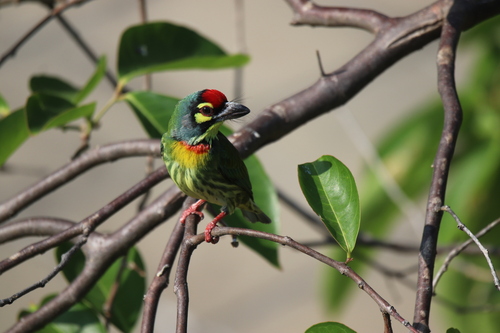


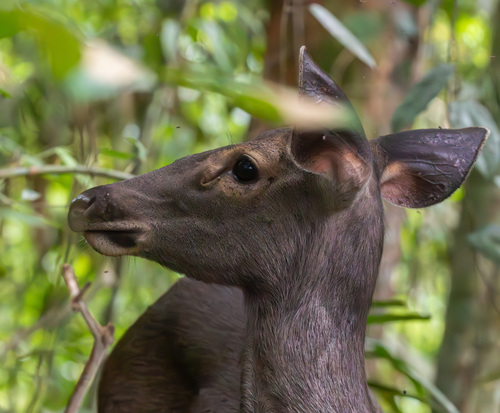


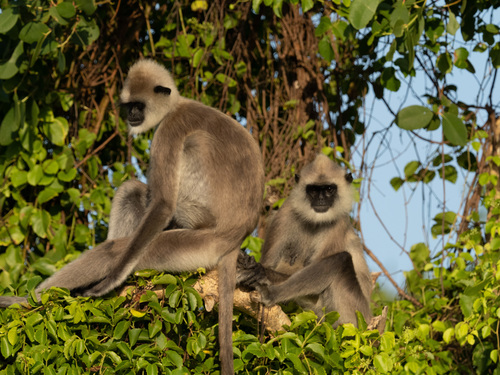


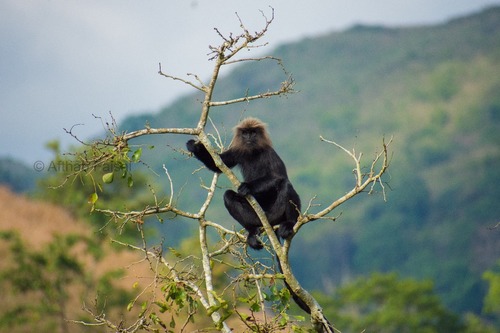


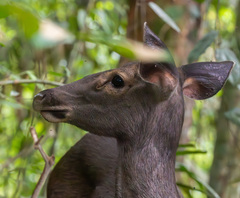

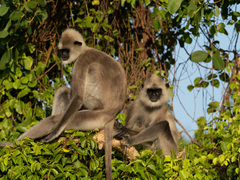
All 4 in 3 days here: ~40%
Mudumalai National Park
🇮🇳 India
Indian Subcontinent, India 851 spp. recorded
Mudumalai National Park is a protected jungle reserve situated where the borders of Tamil Nadu, Karnataka, and Kerala meet in southern India. This protected area features dense deciduous forest, tropical woodlands, and winding dirt trails that pass beneath towering trees and thick green undergrowth.
11.570° N 76.595° E
🦜 Nature

344 Species sighted
38,663 Verified sightings From 2019 to 2026
Jan Best month
⭐ Iconic Species
📊 Most Spotted
⭐ Iconic Species
📊 Most Spotted
📊 Most Spotted
📊 Most Spotted
📊 Most Spotted
🌙 Most active after dark
+ 610 more species with insufficient data
Challenges you can complete here

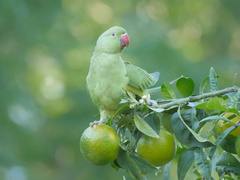


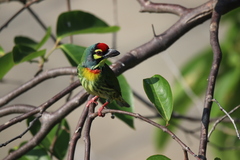
All 5 in 3 days here: ~40%
Recent sightings in Mudumalai National Park
LIVEiNaturalistSighting Calendar
How many species you'd see in a day
54Jan
52Feb
43Mar
52Apr
47May
39Jun
45Jul
45Aug
37Sep
41Oct
41Nov
39Dec
Sighting Zones
Warmer areas are where all species together are recorded most often.
-
Masinagudi · Jungle Hut
Daily sight. prob.vs avg






🏕️ Experience
Essentials
Entrance
Paid
Tourism
Medium
Typical stay
1–2
daysTrails
Moderate
World Heritage
No
Climate
Temp °C Rain mm
JanFebMarAprMayJunJulAugSepOctNovDec
0.0 Excellent
Wallace's Line Score
How good is this park for seeing wildlife? 🦜
Biodiversity
ExcellentHow rich is the wildlife?
4.7
Species by taxon
🦅 Birds 546
🐒 Mammals 124
🦎 Reptiles 139
🐸 Amphibians 42
851 Total Species
828 Global average across 316 parks
68 Threatened 139 Endemic
🔭
Sighting
ExcellentHow likely to see animals?
4.1
🎯
Top-12 Avg Probability
65% 📊
Coverage (224 species at ≥5% of 851 in the inventory)
26% 🔀
Taxon variety in top 12 (9 bird, 3 mammal)
50% 🔭
Species per 10 outings (distinct species a visitor would meet over 10 outings — effort held equal across parks)
151 🌟
Iconic-group species (≥15%) (every species from the 19 iconic groups — monkeys, cats, toucans, macaws, sloths, crocodilians… — not just the 4 highlighted above)
26 ⭐
High-prob species (>40%)
30 🏕️
Experience
Very goodHow easy and pleasant is the visit?
4.0
Climate Pleasant High
Entrance Paid Low
Tourism Medium Medium
Trails Moderate Medium
World Heritage No —
What visitors say
We continued to sight more spotted deer, peahen, peacocks, langurs.
We managed to see Elephants, Deer, Monkeys, Peacocks, although we weren't fortunate enough to spot a Tiger, but we did come across a few paw prints :) Following breakfast and check-out, we proceeded towards Bandipur National Park in Karnataka.
The latter especially we were buzzing about seeing, as unlike elephant we had either never seen or only seen on one occasion the Dhole.
In this article, I’ll take you through the entire safari experience at Mudumalai National Park, one of the best getaways from Bangalore and Chennai.
Before you go
What animals can you see in Mudumalai National Park?
851 species
Mudumalai National Park has 851 recorded vertebrate species. The ones wildlife watchers report most often on a given day are Axis Deer (about 80%), Pearl-necked Dove (about 80%), Red-whiskered Bulbul (about 60%), Oriental Magpie-Robin (about 60%) and Asian Elephant (about 60%). Among reptiles, the most-seen is Bengal Monitor (about 40%).
When is the best time to visit Mudumalai National Park for wildlife?
February, April–June and August
In those months the park's 12 most-seen species average about 70% on a given day, against about 60% in March, July and September–January.
Can you see an Asian Elephant in Mudumalai National Park?
Yes
About 60% of wildlife watchers report an Asian Elephant sighting in Mudumalai National Park on a given day, based on 68 verified sightings from GBIF citizen-science data from 2019 to 2026. The best time is August (about 80%).
Can you see an Axis Deer in Mudumalai National Park?
Yes
About 80% of wildlife watchers report an Axis Deer sighting in Mudumalai National Park on a given day, based on 107 verified sightings from GBIF citizen-science data from 2019 to 2026. The best time is February, April, June and August–October (about 90%).
Can you see a Gayal in Mudumalai National Park?
Yes
About 40% of wildlife watchers report a Gayal sighting in Mudumalai National Park on a given day, based on 55 verified sightings from GBIF citizen-science data from 2019 to 2026. The best time is September (about 60%).
Where in Mudumalai National Park is wildlife easiest to see?
Around Masinagudi · Jungle Hut
The richest sighting zone is around Masinagudi · Jungle Hut, followed by Masinagudi and Theppakadu Forest, ranked by how many of the park's headline animals visitors can expect to see in each. See the zones on the map.
Is Mudumalai National Park good for wildlife watching?
4.3 out of 5
On the Wallace's Line Score, Mudumalai National Park rates 4.3/5: 85th of 316 parks worldwide and 15th in Asia. 38 of its species are reported by about 40% or more of wildlife watchers on a given day.


