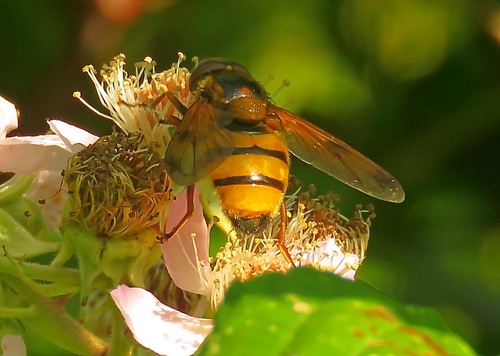
European Holly Leafminer

European Holly Leafminer

Phytomyza ilicis

Daily sighting probability ~10% · With luck
at Leeds

In 3 days ~20% in a week ~40%

16 Verified sightings at Leeds
57 In all 3 parks From 2019 to 2026
February Best month
☀️ Diurnal When it's spotted

About the European Holly Leafminer

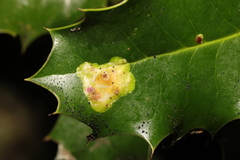
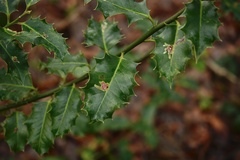
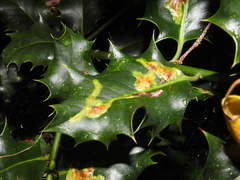
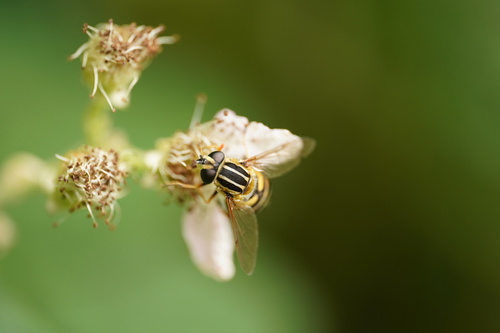
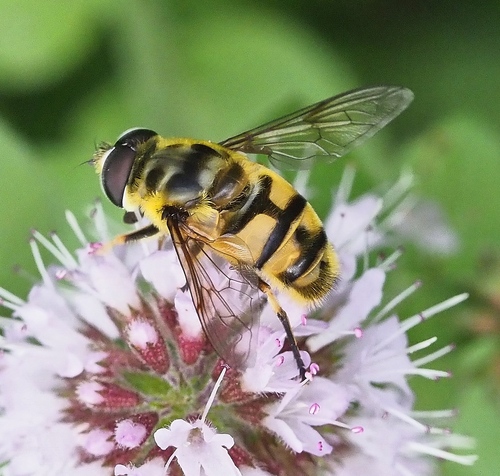
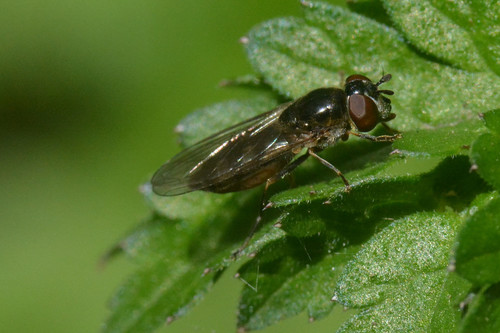
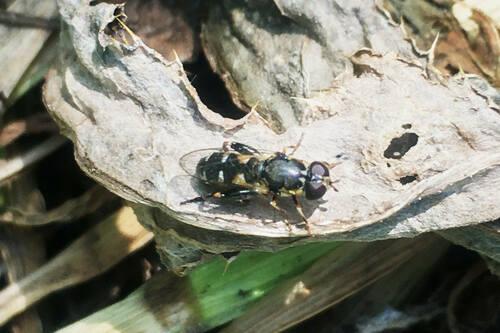
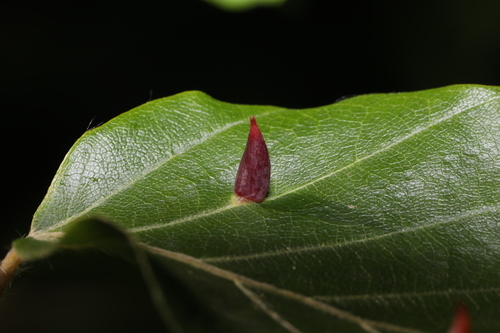
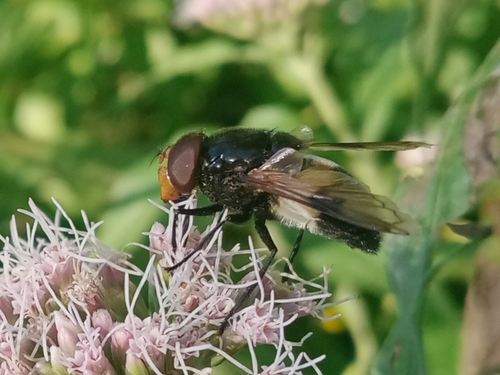
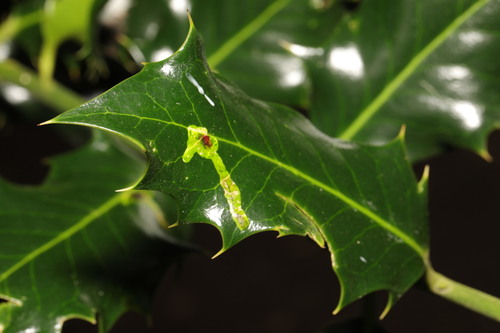
Phytomyza ilicis, the holly leaf miner, is a leaf mining fly in the family Agromyzidae, whose larvae burrow into leaves of the holly tree (Ilex aquifolium) leaving characteristic pale trails or leaf mines. Adults of P. ilicis are small with a wing length measuring 2.5–3 millimetres (0.098–0.118 in). They have red eyes and 6–8 pairs of acrostichal bristles on the thorax.

Larvae are pale, leg-less maggots lacking a head capsule and thoracic and abdominal legs like most fly larvae. The dark-brown coloured puparium is formed from the hardened last larval skin. The holly leaf miner is found throughout the holarctic on its host Ilex aquifolium. It is common and widespread in Europe and has been introduced into western Canada and north west USA. Its distribution is probably dependent upon average temperatures; Peterkin and Lloyd found it absent from areas where the mean temperatures of the coldest months of the year falls below −0.5 °C (31.1 °F).

Female Agromyzidae insert an egg in the leaf tissue using an ovipositor. In the case of P. ilicis this poses a problem, because the leaf of the hostplant is unusually tough. Only during the annual... Wikipedia →

Global Distribution

Parks Where Found

# Park Country Daily sighting probability
1 Snowdonia National Park 🇬🇧 United Kingdom
~10%
2 Wadden Sea National Park 🇩🇪 Germany
~10%
3 Great Bear Rainforest 🇨🇦 Canada
<5%

Cities Where Found

# City Country Daily sighting probability
1 Liverpool 🇬🇧 United Kingdom
~40%
2 Birmingham 🇬🇧 United Kingdom
~20%
3 London 🇬🇧 United Kingdom
~20%
4 Manchester 🇬🇧 United Kingdom
~20%
5 Vancouver 🇨🇦 Canada
~10%
6 Berlin 🇩🇪 Germany
~10%
7 Brussels 🇧🇪 Belgium
~10%
8 Leeds 🇬🇧 United Kingdom
~10%
9 Dublin 🇮🇪 Ireland
~10%
10 Rotterdam [The Hague] 🇳🇱 Netherlands
~10%

Before you go

What are the chances of seeing a European Holly Leafminer in Leeds?

With luck

About 10% of wildlife watchers report a European Holly Leafminer sighting in Leeds on a given day, based on 16 verified sightings from GBIF citizen-science data. It is the 120th most-seen of the 284 insects we can rate there. Over three days the chance rises to about 20%, and over a week to about 40%, if each day is a fresh chance.

When is the best time to see a European Holly Leafminer in Leeds?

February

In that month about 20% of wildlife watchers report a European Holly Leafminer in Leeds on a given day, against under 5% in March, May and November–January, the lowest months.

What time of day is best to see a European Holly Leafminer?

Between 1 and 4 pm

Across all the parks we cover, that three-hour window holds the most European Holly Leafminer sightings with a recorded time, and about 9 in 10 of them come between 6 am and 6 pm: it is a daytime animal.

Is Leeds the best place to see a European Holly Leafminer?

8th of 17

Of the 17 cities where we can rate European Holly Leafminer sightings, Leeds ranks 8th at about 10%. The best odds are in Liverpool (United Kingdom, about 40%), Birmingham (United Kingdom, about 20%) and London (United Kingdom, about 20%).

Which relatives of the European Holly Leafminer live in Leeds?

Same order: Diptera

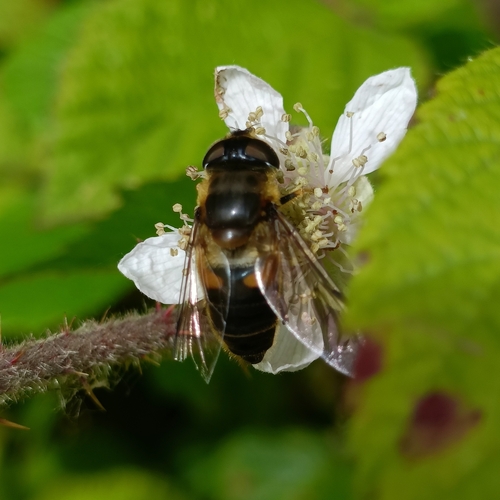
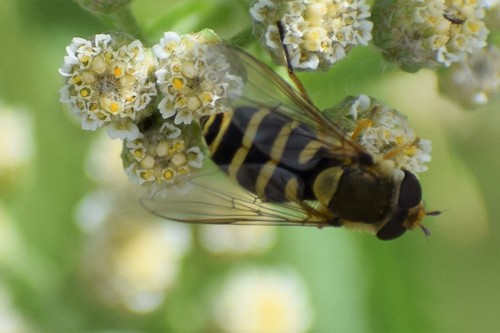
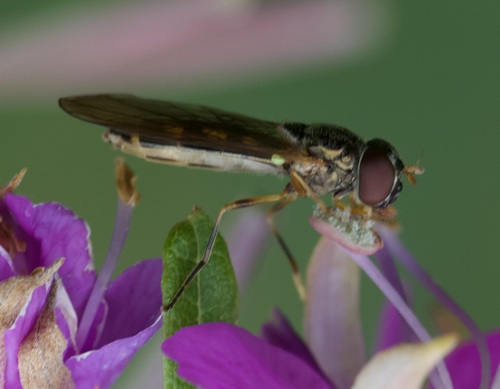
The closest relatives of the European Holly Leafminer that you can see in Leeds (order Diptera, Flies) are Marmalade Hover Fly (about 20%), Tapered Drone Fly (about 20%) and Sun Fly (about 20%), with each one's daily chance of a sighting.

Where does the European Holly Leafminer sighting chance come from?

GBIF citizen-science records

It is estimated from how often the European Holly Leafminer is recorded against all the insects logged in Leeds (16 verified sightings), calibrated against known sighting rates. Figures are rounded to the nearest 10% because citizen-science data supports honest approximations, not decimals, and months with records from fewer than five people show "—". How it works.
← Back to Leeds