





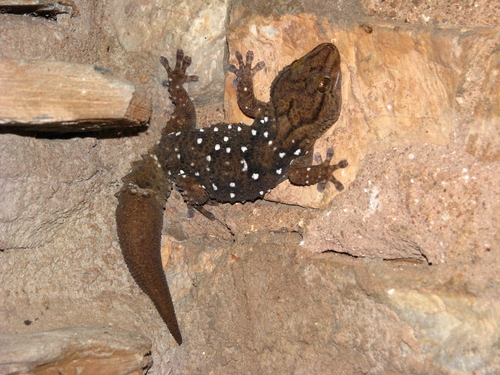


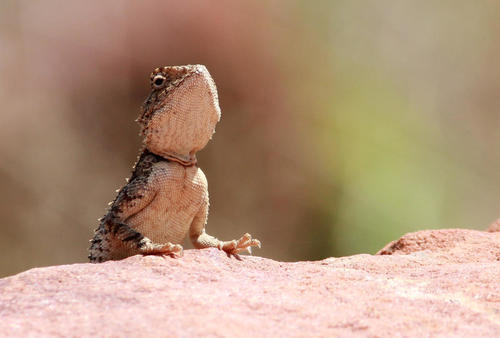


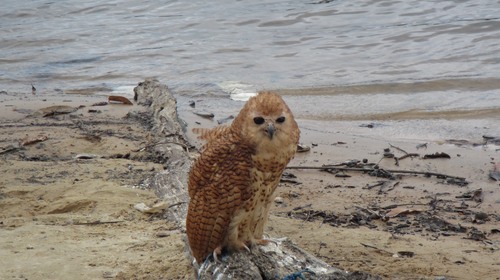




All 4 in 3 days here: ~80%
Liwonde National Park
🇲🇼 Malawi
Africa, Malawi 1004 spp. recorded
Liwonde National Park is a protected tropical savanna sanctuary stretching along the Shire River in southern Malawi. Its landscape features open grasslands, dense woodlands, and expansive floodplains that define this riverine wetland ecosystem.
-14.845° S 35.352° E
🦜 Nature

491 Species sighted
18,339 Verified sightings From 2019 to 2026
Nov Best month
⭐ Iconic Species
📊 Most Spotted
⭐ Iconic Species
📊 Most Spotted
📊 Most Spotted
📊 Most Spotted
📊 Most Spotted
📊 Most Spotted
🌙 Most active after dark
+ 704 more species with insufficient data
Challenges you can complete here

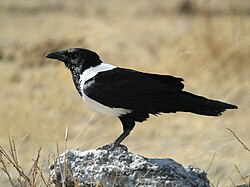

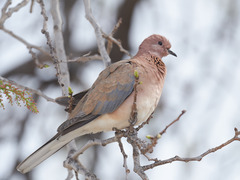


All 5 in 3 days here: <5%
Recent sightings in Liwonde National Park
LIVEiNaturalistSighting Calendar
How many species you'd see in a day
65Jan
74Feb
66Mar
61Apr
60May
58Jun
69Jul
55Aug
75Sep
75Oct
79Nov
65Dec
Sighting Zones
Warmer areas are where all species together are recorded most often.
-
14.907° S, 35.356° E
Daily sight. prob.vs avg -
Nkalango Safari Camp
-
Hide
Daily sight. prob.vs avg -
Mvuu
-
Chinguni Ranger Station




🏕️ Experience
Essentials
Entrance
Paid
Tourism
Low
Typical stay
2–3
daysTrails
Easy
World Heritage
No
Climate
Temp °C Rain mm
JanFebMarAprMayJunJulAugSepOctNovDec
0.0 World-class
Wallace's Line Score
How good is this park for seeing wildlife? 🦜
Biodiversity
GoodHow rich is the wildlife?
4.0
Species by taxon
🦅 Birds 675
🐒 Mammals 176
🦎 Reptiles 100
🐸 Amphibians 53
1004 Total Species
828 Global average across 316 parks
29 Threatened 22 Endemic
🔭
Sighting
ExcellentHow likely to see animals?
5.0
🎯
Top-12 Avg Probability
74% 📊
Coverage (309 species at ≥5% of 1004 in the inventory)
31% 🔀
Taxon variety in top 12 (9 bird, 3 mammal)
50% 🔭
Species per 10 outings (distinct species a visitor would meet over 10 outings — effort held equal across parks)
199 🌟
Iconic-group species (≥15%) (every species from the 19 iconic groups — monkeys, cats, toucans, macaws, sloths, crocodilians… — not just the 4 highlighted above)
46 ⭐
High-prob species (>40%)
60 🏕️
Experience
ExcellentHow easy and pleasant is the visit?
4.8
Climate Pleasant High
Entrance Paid Low
Tourism Low High
Trails Easy High
World Heritage No —
What visitors say
I saw hundreds, if not thousands, of waterbuck and impala, hundreds of greater kudus and warthogs, a couple harems of sable antelope, a smattering of bushbuck, several elephant family units, and lots of waterbirds.
We saw several Southern Ground hornbill, wild pig, a small pride of lions with one male, three female and three young cubs, Sable Antelope, Kudu, Roan, Elephant, Waterbuck, Eland etc. and a land that has been somewhat transformed with the high waters.
Otherwise we saw a lot of waterbucks, kudus, sable antelopes and many, many birds.
Driving through mopani veld we saw majestic sables, herds of buffalo and resting lions.
Before you go
What animals can you see in Liwonde National Park?
1,004 species
Liwonde National Park has 1,004 recorded vertebrate species. The ones wildlife watchers report most often on a given day are Little Bee-eater (about 80%), Meves's Glossy-starling (about 80%), African Openbilled Stork (about 80%), Greater Kudu (about 80%) and White-browed Sparrow-Weaver (about 80%). Among reptiles, the most-seen is Nile Crocodile (about 60%); among amphibians, Grey Foam-nest Treefrog (about 50%).
When is the best time to visit Liwonde National Park for wildlife?
January–March, July and October–November
In those months the park's 12 most-seen species average about 80% on a given day, against about 60% in April.
Can you see an African Bush Elephant in Liwonde National Park?
Yes
About 70% of wildlife watchers report an African Bush Elephant sighting in Liwonde National Park on a given day, based on 129 verified sightings from GBIF citizen-science data from 2019 to 2026. The best time is February (about 90%).
Can you see a Lion in Liwonde National Park?
Yes
About 60% of wildlife watchers report a Lion sighting in Liwonde National Park on a given day, based on 74 verified sightings from GBIF citizen-science data from 2019 to 2026. The best time is December (about 80%).
Can you see a Common Hippopotamus in Liwonde National Park?
Yes
About 60% of wildlife watchers report a Common Hippopotamus sighting in Liwonde National Park on a given day, based on 84 verified sightings from GBIF citizen-science data from 2019 to 2026. The best time is February–April, August, October and December (about 70%).
Is Liwonde National Park good for wildlife watching?
4.7 out of 5
On the Wallace's Line Score, Liwonde National Park rates 4.7/5: 39th of 316 parks worldwide and 28th in Africa. 68 of its species are reported by about 40% or more of wildlife watchers on a given day.


