Lime-Speck Pug

Lime-Speck Pug

Eupithecia centaureata

Daily sighting probability <5% · Rare
at Lisbon

In 3 days ~10% in a week ~20%

15 Verified sightings at Lisbon
79 In all 3 parks From 2019 to 2026
November Best month
☀️🌙 Day & Night When it's spotted

About the Lime-Speck Pug

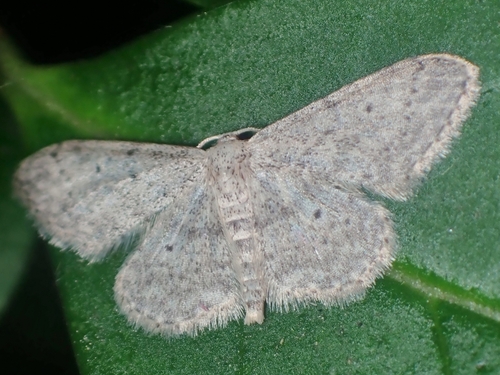
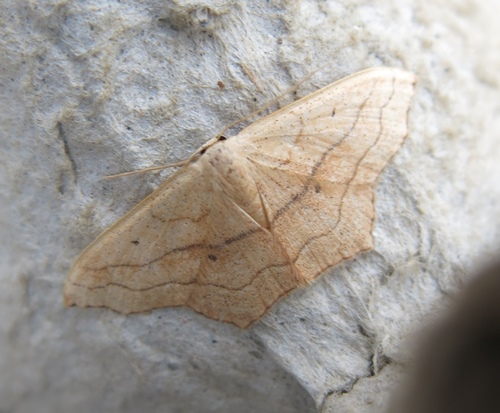
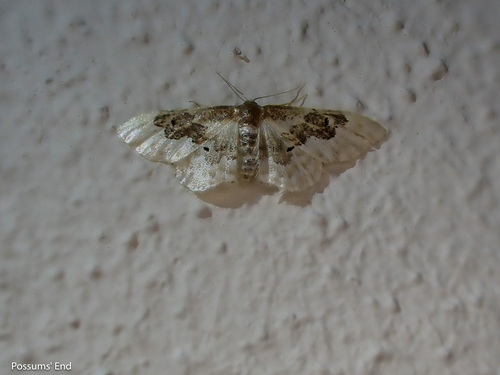
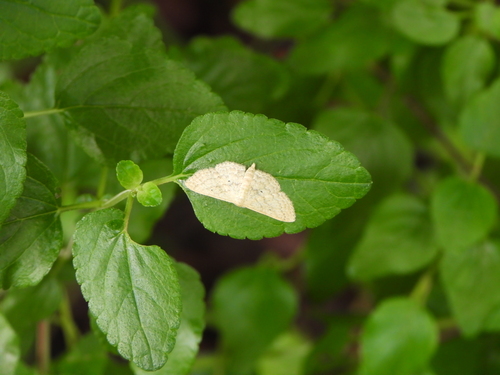
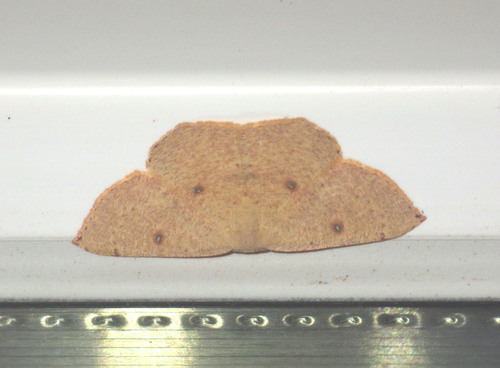
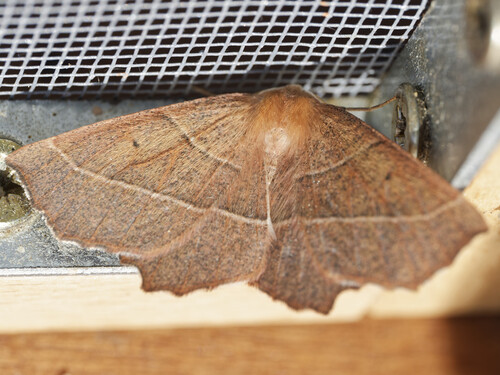
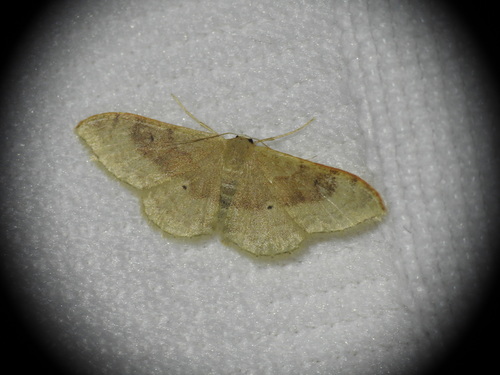
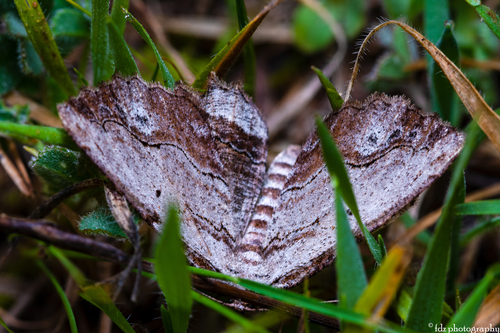
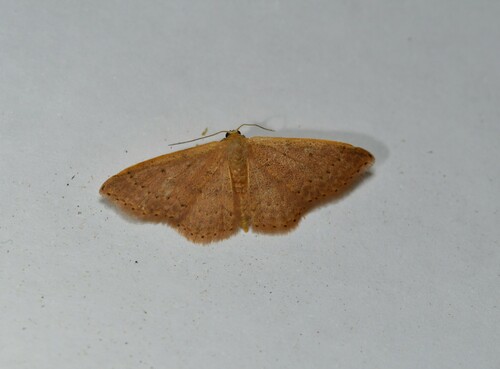
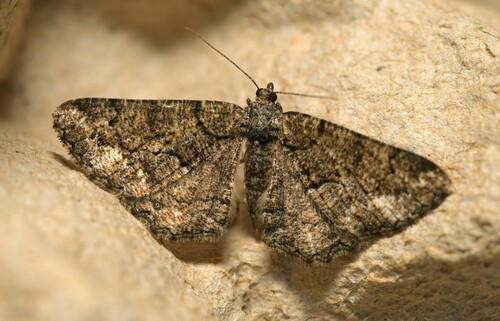
The lime-speck pug (Eupithecia centaureata) is a moth of the family Geometridae. It is a common species throughout the Palearctic region (where it is found in Europe, Central Asia, Mongolia, southern Siberia, eastern China (Guangdong) and Taiwan), the Near East and North Africa.

This is a distinctive species, all the wings being largely white except for a black blotch on the costa of the forewing. The wingspan is 20–24 mm. In the ab. obscura Dietze.(perhaps developed chiefly in Asia but also recorded from the Tyrol) the ground-colour of both wings has a smoky suffusion. In the ab. centralisata Stgr., chiefly from Palestine and Central Asia, the markings are weaker, sometimes (except the discal mark) almost entirely obsolete. The larva is long and thin, white-yellow with a red dorsal stripe and horseshoe-shaped red spots running down the sides.

Often two broods are produced each year and the adults can be seen at any time during the summer and autumn. The moths fly at night and are attracted to light and nectar-rich flowers. The larva is rather variable but is usually green or yellow, often with red markings. It feeds on the flowers of a variety of plants (see list... Wikipedia →

Global Distribution

Parks Where Found

# Park Country Daily sighting probability
1 Wadden Sea National Park 🇩🇪 Germany
~10%
2 Bavarian Forest National Park 🇩🇪 Germany
<5%
3 Pyrénées National Park 🇫🇷 France
<5%

Cities Where Found

# City Country Daily sighting probability
1 Liverpool 🇬🇧 United Kingdom
~10%
2 London 🇬🇧 United Kingdom
~10%
3 Porto 🇵🇹 Portugal
~10%
4 Birmingham 🇬🇧 United Kingdom
~10%
5 Madrid 🇪🇸 Spain
~10%
6 Manchester 🇬🇧 United Kingdom
<5%
7 Helsinki 🇫🇮 Finland
<5%
8 Copenhagen 🇩🇰 Denmark
<5%
9 Lisbon 🇵🇹 Portugal
<5%
10 Berlin 🇩🇪 Germany
<5%

Before you go

What are the chances of seeing a Lime-Speck Pug in Lisbon?

Rare

Under 5% of wildlife watchers report a Lime-Speck Pug sighting in Lisbon on a given day, based on 15 verified sightings from GBIF citizen-science data. It is the 208th most-seen of the 441 insects we can rate there. Over three days the chance rises to about 10%, and over a week to about 20%, if each day is a fresh chance.

When is the best time to see a Lime-Speck Pug in Lisbon?

November

In that month about 10% of wildlife watchers report a Lime-Speck Pug in Lisbon on a given day, against under 5% in December to October, the lowest months. That is one of Lisbon's wettest months, with about 95 mm of rain against almost none in July.

What time of day is best to see a Lime-Speck Pug?

Between 11 pm and 2 am

Across all the parks we cover, that three-hour window holds the most Lime-Speck Pug sightings with a recorded time, and about 7 in 10 of them come between 6 pm and 6 am: it is seen both by day and at night.

Is Lisbon the best place to see a Lime-Speck Pug?

9th of 12

Of the 12 cities where we can rate Lime-Speck Pug sightings, Lisbon ranks 9th at under 5%. The best odds are in Liverpool (United Kingdom, about 10%), London (United Kingdom, about 10%) and Porto (Portugal, about 10%).

Which relatives of the Lime-Speck Pug live in Lisbon?

Same family: Geometridae

The closest relatives of the Lime-Speck Pug that you can see in Lisbon (family Geometridae, Geometer Moths) are Vestal (about 10%), Double-Striped Pug (about 10%) and Small Dusty Wave (about 10%), with each one's daily chance of a sighting.

Where does the Lime-Speck Pug sighting chance come from?

GBIF citizen-science records

It is estimated from how often the Lime-Speck Pug is recorded against all the insects logged in Lisbon (15 verified sightings), calibrated against known sighting rates. Figures are rounded to the nearest 10% because citizen-science data supports honest approximations, not decimals, and months with records from fewer than five people show "—". How it works.

← Back to Lisbon