Muslin Moth
Daily sighting probability ~10% · With luck
at London

In 3 days ~20% in a week ~40%

129 Verified sightings at London
30 In all 4 parks From 2019 to 2026
April Best month
☀️ Diurnal When it's spotted

About the Muslin Moth

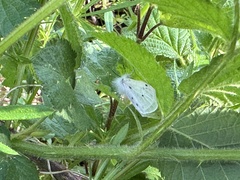
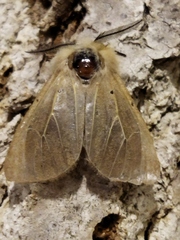
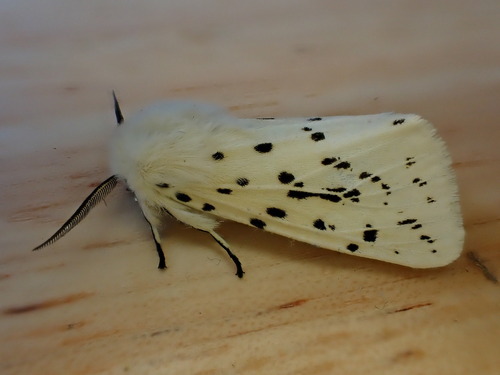
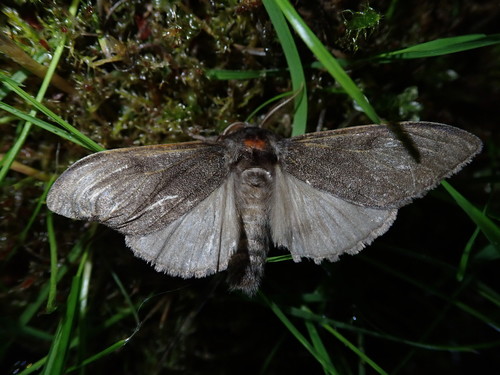
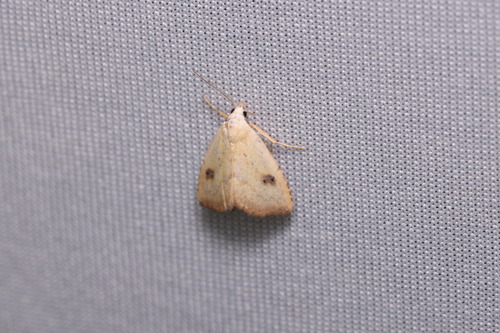
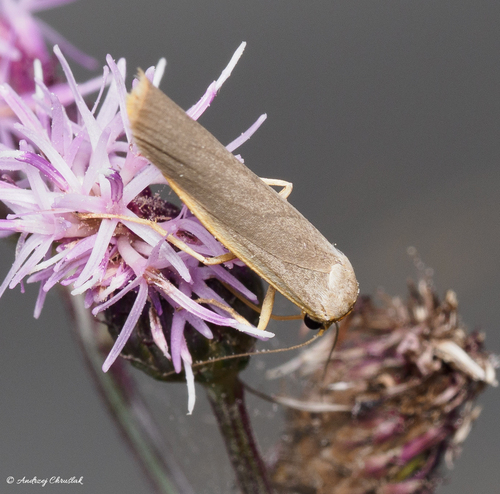
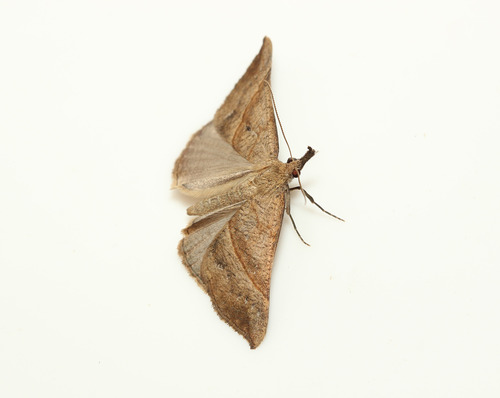
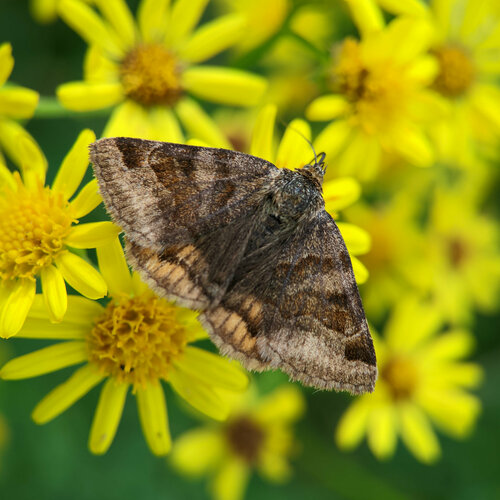
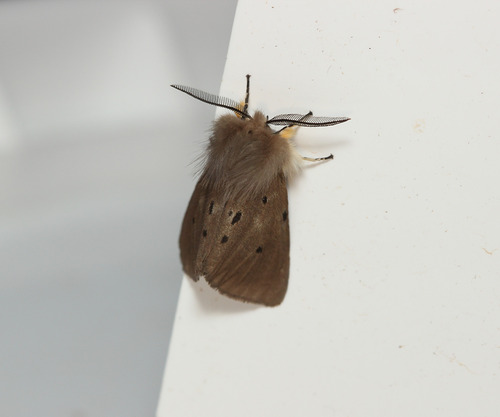
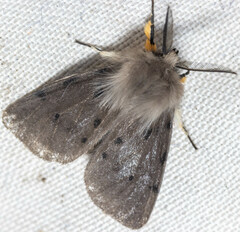
Diaphora mendica, the muslin moth, is a moth of the family Erebidae. It is found in the Palearctic realm east to Lake Baikal. The wingspan is 28–38 mm. There is clear sexual dimorphism in the imago, with the male having a brownish grey colour and a forewing length of 14–17 mm, and the female being white and having a forewing length of 17–19 mm. Male sooty brown-grey, usually with a black dot at the apex of the cell; sometimes without and in other cases with a few accessory dots. The female thinly scaled, milky white, with the abdomen of the same colour; wings very sparsely dotted, ab. rustica Hbn. are males with the ground colour milky white like that of the females. ab. binaghii Tur. are transitional specimens from the normal brown males of mendica to rustica. — Schultz names female specimens with only one black dot ab. depuncta. By pairing the white males of rustica with normal females of mendica (which is an interbreeding of races and not hybridisation, as is usually reported) peculiar sand-coloured males result, which are called standfussi. If the female of standfussi is recrossed with the male of rustica a white and much dotted moth results... Wikipedia →

Global Distribution

Parks Where Found

# Park Country Daily sighting probability
1 Snowdonia National Park 🇬🇧 United Kingdom
~10%
2 Pyrénées National Park 🇫🇷 France
<5%
3 Wadden Sea National Park 🇩🇪 Germany
<5%
4 Cévennes National Park 🇫🇷 France
<5%

Cities Where Found

# City Country Daily sighting probability
1 London 🇬🇧 United Kingdom
~10%
2 Birmingham 🇬🇧 United Kingdom
~10%
3 Porto 🇵🇹 Portugal
~10%
4 Lyon 🇫🇷 France
<5%
5 Paris 🇫🇷 France
<5%
6 Liverpool 🇬🇧 United Kingdom
<5%
7 Vienna 🇦🇹 Austria
<5%
8 Prague 🇨🇿 Czechia
<5%

Before you go

What are the chances of seeing a Muslin Moth in London?

With luck

About 10% of wildlife watchers report a Muslin Moth sighting in London on a given day, based on 129 verified sightings from GBIF citizen-science data. It is the 257th most-seen of the 1504 insects we can rate there. Over three days the chance rises to about 20%, and over a week to about 40%, if each day is a fresh chance.

When is the best time to see a Muslin Moth in London?

April and May

In those months about 20% of wildlife watchers report a Muslin Moth in London on a given day, against under 5% in June to March, the lowest months.

What time of day is best to see a Muslin Moth?

Between 9 am and noon

Across all the parks we cover, that three-hour window holds the most Muslin Moth sightings with a recorded time, and about 8 in 10 of them come between 6 am and 6 pm: it is a daytime animal.

Is London the best place to see a Muslin Moth?

Yes

Of the 8 cities where we can rate Muslin Moth sightings, London has the highest daily chance: about 10%. Next come Birmingham (United Kingdom, about 10%) and Porto (Portugal, about 10%).

Which relatives of the Muslin Moth live in London?

Same family: Erebidae

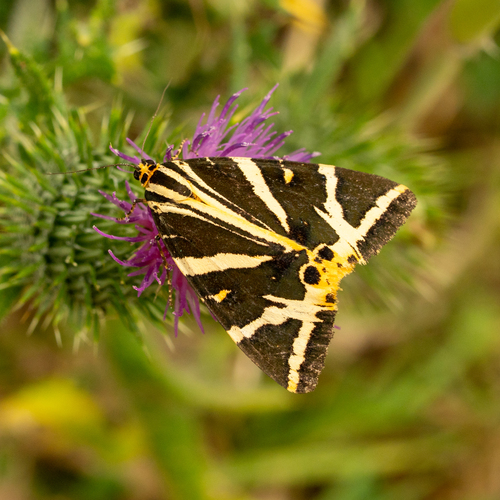
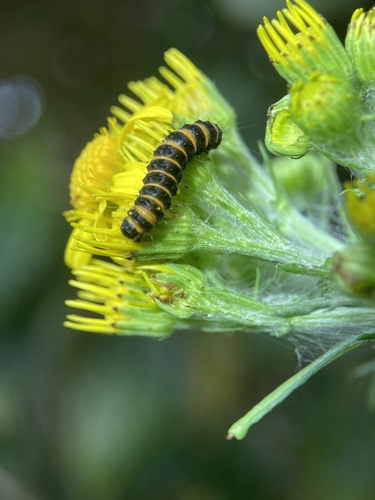
The closest relatives of the Muslin Moth that you can see in London (family Erebidae, Underwing, Tiger, Tussock, and Allied Moths) are Jersey Tiger (about 40%), Cinnabar Moth (about 30%) and Spongy Moth (about 20%), with each one's daily chance of a sighting.

Where does the Muslin Moth sighting chance come from?

GBIF citizen-science records

It is estimated from how often the Muslin Moth is recorded against all the insects logged in London (129 verified sightings), calibrated against known sighting rates. Figures are rounded to the nearest 10% because citizen-science data supports honest approximations, not decimals, and months with records from fewer than five people show "—". How it works.
← Back to London