
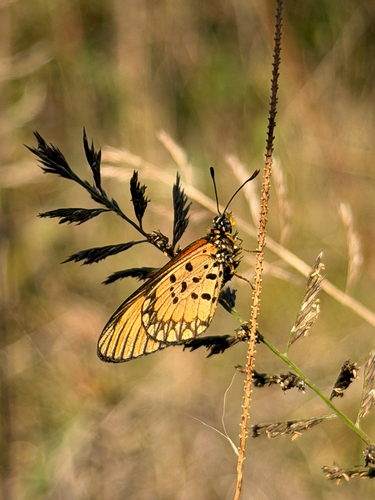
Gaudy Commodore

Gaudy Commodore

Precis octavia

Daily sighting probability ~30% · Possible
at Lusaka

In 3 days ~60% in a week ~90%

21 Verified sightings at Lusaka
21 In all 2 parks From 2019 to 2026
March Best month
☀️ Diurnal When it's spotted

About the Gaudy Commodore

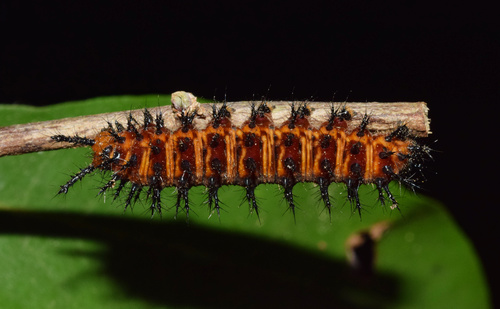
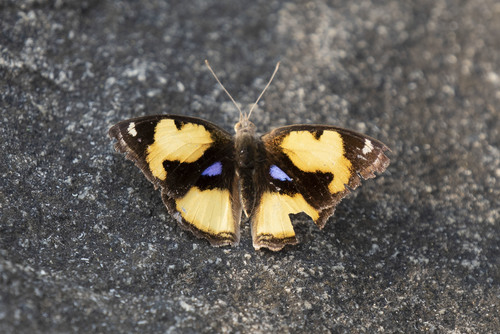
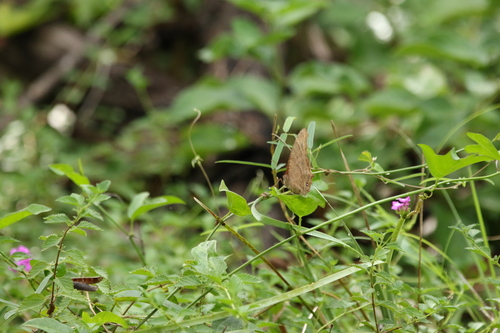
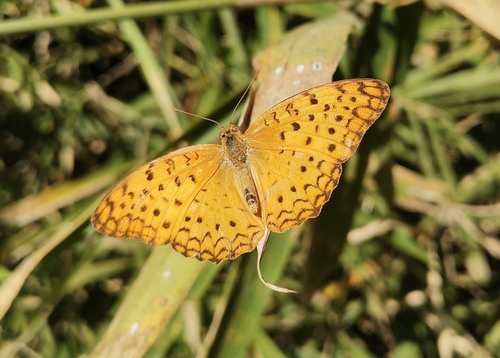
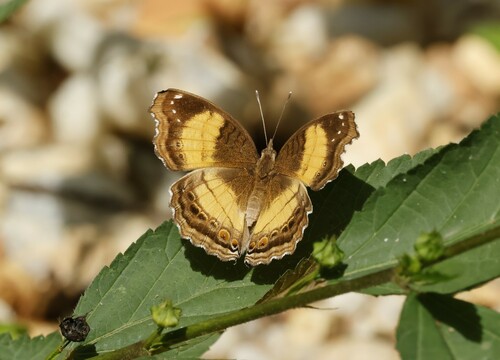
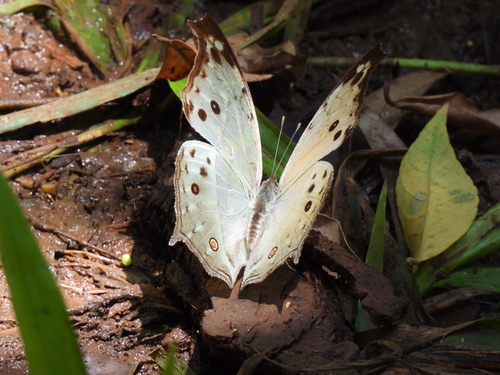
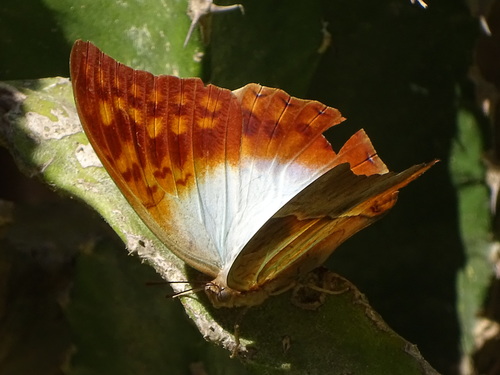
Precis octavia, the gaudy commodore, is a species of butterfly in the family Nymphalidae. It is native to Africa. Precis octavia was first described by Pieter Cramer in 1777. The nominate subspecies (Precis octavia octavia) flies from West Africa, through Cameroon, Gabon, Republic of Central Africa, Republic of the Congo, Democratic Republic of the Congo, north to Sudan, Ethiopia, Somalia, and Zimbabwe. It has a wet season form—orange with a pinkish flush and black markings on the upperside—and a dry season form—shining blue with a vivid red band on the hindwing. In his authoritative 2-vol. book "Butterflies of West Africa", Torben B. Larsen states "I believe this species has the most spectacular seasonal dimorphism of any butterfly, and the two morphs were [first] described as distinct species."

The southern subspecies (Precis octavia sesamus) also has two seasonal forms: a summer form (natalensis) which is red with black markings, and a winter form (sesamus) which is blue with a line of red markings on the wings. The winter form is slightly larger than the summer form. In both forms the males and females are alike, however the females are slightly larger.

Intermediate... Wikipedia →

Global Distribution

Parks Where Found

# Park Country Daily sighting probability
1 Bwindi Impenetrable National Park 🇺🇬 Uganda
~10%
2 Addo Elephant National Park 🇿🇦 South Africa
~10%

Cities Where Found

# City Country Daily sighting probability
1 Lusaka 🇿🇲 Zambia
~30%
2 Kampala 🇺🇬 Uganda
~20%
3 Durban 🇿🇦 South Africa
~20%
4 Harare 🇿🇼 Zimbabwe
~10%

Before you go

What are the chances of seeing a Gaudy Commodore in Lusaka?

Possible

About 30% of wildlife watchers report a Gaudy Commodore sighting in Lusaka on a given day, based on 21 verified sightings from GBIF citizen-science data. It is the 18th most-seen of the 72 insects we can rate there. Over three days the chance rises to about 60%, and over a week to about 90%, if each day is a fresh chance.

When is the best time to see a Gaudy Commodore in Lusaka?

February–April, July and September

In those months about 40% of wildlife watchers report a Gaudy Commodore in Lusaka on a given day, against under 5% in June, August and October–December, the lowest months.

What time of day is best to see a Gaudy Commodore?

Between 10 am and 1 pm

Across all the parks we cover, that three-hour window holds the most Gaudy Commodore sightings with a recorded time, and about 9 in 10 of them come between 6 am and 6 pm: it is a daytime animal.

Is Lusaka the best place to see a Gaudy Commodore?

Yes

Of the 4 cities where we can rate Gaudy Commodore sightings, Lusaka has the highest daily chance: about 30%. Next come Kampala (Uganda, about 20%) and Durban (South Africa, about 20%).

Which relatives of the Gaudy Commodore live in Lusaka?

Same family: Nymphalidae

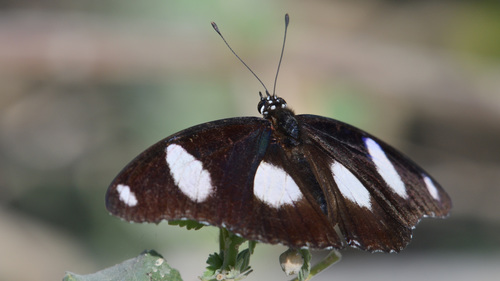
The closest relatives of the Gaudy Commodore that you can see in Lusaka (family Nymphalidae, Brush-footed Butterflies) are Spotted Brown Pansy (about 50%), Yellow Pansy (about 40%) and White-Barred Emperor (about 30%), with each one's daily chance of a sighting.

Where does the Gaudy Commodore sighting chance come from?

GBIF citizen-science records

It is estimated from how often the Gaudy Commodore is recorded against all the insects logged in Lusaka (21 verified sightings), calibrated against known sighting rates. Figures are rounded to the nearest 10% because citizen-science data supports honest approximations, not decimals, and months with records from fewer than five people show "—". How it works.

← Back to Lusaka