





All 4 in 3 days here: ~30%
Rincón de la Vieja National Park
🇨🇷 Costa Rica
Guanacaste, Costa Rica 1031 spp. recorded
Rincón de la Vieja is Guanacaste's wildest national park — an active volcano surrounded by fumaroles, bubbling mud pots, and hot springs, wrapped in tropical dry forest that transitions to cloud forest at higher elevations. The park protects over 300 bird species and an impressive roster of mammals including three monkey species, tapirs, peccaries, coatis, and elusive big cats.
10.809° N 85.310° W
🦜 Nature

539 Species sighted
43,743 Verified sightings From 2019 to 2026
Oct Best month
⭐ Iconic Species
📊 Most Spotted
⭐ Iconic Species
📊 Most Spotted
⭐ Iconic Species
📊 Most Spotted
⭐ Iconic Species
📊 Most Spotted
📊 Most Spotted
📊 Most Spotted
🌙 Most active after dark
+ 594 more species with insufficient data
Challenges you can complete here


All 3 in 3 days here: ~10%


All 5 in 3 days here: <5%
Recent sightings in Rincón de la Vieja National Park
LIVEiNaturalistSighting Calendar
How many species you'd see in a day
42Jan
48Feb
46Mar
42Apr
55May
53Jun
60Jul
51Aug
42Sep
60Oct
42Nov
49Dec
Sighting Zones
Warmer areas are where all species together are recorded most often.
-
Hacienda Guachipelin
Daily sight. prob.vs avg Black Spiny-tailed Iguana>90%+10%
 Variegated Squirrel~80%+30%
 Central American Agouti~70%+10%
 Giant Marine Toad~70%+20%
 Great Kiskadee~60%≈
 Central American White-faced Capuchin~60%-10%
 White-Throated Magpie-Jay~50%-20%
 Hoffmann's Woodpecker~50%≈
 White-fronted Parrot~50%+10%
 Orange-chinned Parakeet~50%≈
 Northern Tamandua~40%+10%
 Common House Gecko~40%+20%
-
Sector Las Pailas
Daily sight. prob.vs avg- Black Spiny-tailed Iguana>90%+10%
- Central American White-faced Capuchin~80%+10%
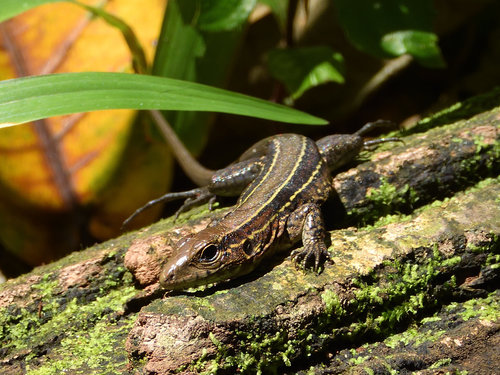
 Rainbow Ameiva~70%+20%
- White-Throated Magpie-Jay~70%≈
- Central American Agouti~60%≈
 Long-tailed Manakin~60%+10%
- Giant Marine Toad~50%≈
 Lesser Greenlet~50%-10%
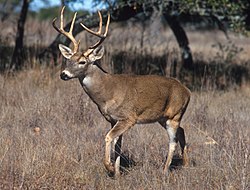 White-tailed Deer~40%+20%
- Variegated Squirrel~40%≈
- Great Kiskadee~40%-20%
 Mantled Howler Monkey~40%≈
-
Rincon Gardens Lodge
Daily sight. prob.vs avg Warszewitsch's Frog~80%+40%
- Central American White-faced Capuchin~70%≈
- Giant Marine Toad~70%+20%
- Black Spiny-tailed Iguana~60%-30%
 Keel-billed Toucan~60%≈
 Puffing Snake~60%+30%
- Variegated Squirrel~50%≈
- Mantled Howler Monkey~50%+10%
 Central American Spider Monkey~50%+10%
 Bighead Anole~50%+30%
- Long-tailed Manakin~50%-10%
- Lesser Greenlet~40%-10%
-
Río Negro
Daily sight. prob.vs avg- Black Spiny-tailed Iguana>90%+10%
- Central American White-faced Capuchin~70%≈
- White-Throated Magpie-Jay~70%≈
- Central American Agouti~60%-10%
- Rainbow Ameiva~60%+10%
- Long-tailed Manakin~50%≈
- White-tailed Deer~40%+20%
- Central American Spider Monkey~40%≈
 Neotropical Green Anole~40%+20%
- Great Kiskadee~40%-20%
- Lesser Greenlet~40%-10%
- Giant Marine Toad~40%-10%
🏕️ Experience
Essentials
Entrance
Paid
Tourism
Medium
Typical stay
1–2
daysTrails
Hard
World Heritage
No
Climate
Temp °C Rain mm
JanFebMarAprMayJunJulAugSepOctNovDec
0.0 Excellent
Wallace's Line Score
How good is this park for seeing wildlife? 🦜
Biodiversity
Very goodHow rich is the wildlife?
4.2
Species by taxon
🦅 Birds 661
🐒 Mammals 177
🦎 Reptiles 129
🐸 Amphibians 64
1031 Total Species
828 Global average across 316 parks
31 Threatened 79 Endemic
🔭
Sighting
Very goodHow likely to see animals?
3.8
🎯
Top-12 Avg Probability
60% 📊
Coverage (247 species at ≥5% of 1031 in the inventory)
24% 🔀
Taxon variety in top 12 (7 bird, 2 reptile, 2 mammal, 1 amphibian)
80% 🔭
Species per 10 outings (distinct species a visitor would meet over 10 outings — effort held equal across parks)
156 🌟
Iconic-group species (≥15%) (every species from the 19 iconic groups — monkeys, cats, toucans, macaws, sloths, crocodilians… — not just the 4 highlighted above)
18 ⭐
High-prob species (>40%)
26 🏕️
Experience
GoodHow easy and pleasant is the visit?
2.9
Climate Mixed Medium
Entrance Paid Low
Tourism High Low
Trails Hard Low
World Heritage No —
What visitors say
We saw a ground cuckoo near the fumeroles which was super cute, a turquoise-browed motmot too, and we heard SO MANY Long-Tailed manakins (the dancing birds we saw at lake Apoyo).
In Monteverde we stayed in a pricey but very nice hotel, with burrows of a rare gopher under our window and lots of semi-tame mammals and birds on the grounds (I think I saw more euphonias and chlorophonias in one fruiting tree there than I had seen in all my previous life).
Not shortly after we entered the wet forest did we spot a family of White-faced Capuchin Monkeys playing in the trees!
We saw many of these butterflies at Rincon de la Vieja, but getting a good photo of one with its wings open was nigh on impossible.
Before you go
What animals can you see in Rincón de la Vieja National Park?
1,031 species
Rincón de la Vieja National Park has 1,031 recorded vertebrate species. The ones wildlife watchers report most often on a given day are Black Spiny-tailed Iguana (about 90%), White-Throated Magpie-Jay (about 70%), Central American White-faced Capuchin (about 70%), Central American Agouti (about 60%) and Great Kiskadee (about 60%). Among amphibians, the most-seen is Giant Marine Toad (about 50%).
When is the best time to visit Rincón de la Vieja National Park for wildlife?
June and August
In those months the park's 12 most-seen species average about 70% on a given day, against about 50% in September and November–December. Those are among Rincón de la Vieja National Park's wettest months, with about 300 mm of rain a month against 45 mm in February.
Can you see a Black Spiny-tailed Iguana in Rincón de la Vieja National Park?
Yes
About 90% of wildlife watchers report a Black Spiny-tailed Iguana sighting in Rincón de la Vieja National Park on a given day, based on 314 verified sightings from GBIF citizen-science data from 2019 to 2026. The best time is November to September (about 90%).
Can you see a White-Throated Magpie-Jay in Rincón de la Vieja National Park?
Yes
About 70% of wildlife watchers report a White-Throated Magpie-Jay sighting in Rincón de la Vieja National Park on a given day, based on 1,276 verified sightings from GBIF citizen-science data from 2019 to 2026. The best time is April and June (about 80%).
Can you see a Long-tailed Manakin in Rincón de la Vieja National Park?
Yes
About 60% of wildlife watchers report a Long-tailed Manakin sighting in Rincón de la Vieja National Park on a given day, based on 872 verified sightings from GBIF citizen-science data from 2019 to 2026. The best time is May (about 80%).
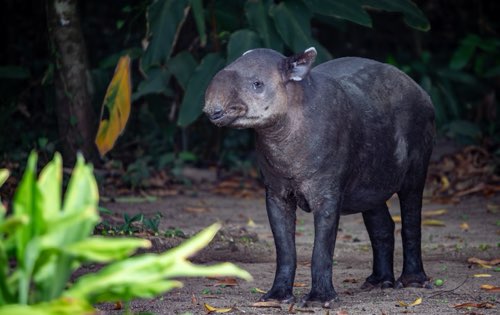
Can you see a Baird's Tapir in Rincón de la Vieja National Park?
Yes
About 40% of wildlife watchers report a Baird's Tapir sighting in Rincón de la Vieja National Park on a given day, based on 81 verified sightings from GBIF citizen-science data from 2019 to 2026. The best time is September (about 60%).
Where in Rincón de la Vieja National Park is wildlife easiest to see?
Around Hacienda Guachipelin
The richest sighting zone is around Hacienda Guachipelin, followed by Sector Las Pailas and Rincon Gardens Lodge, ranked by how many of the park's headline animals visitors can expect to see in each. See the zones on the map.
Is Rincón de la Vieja National Park good for wildlife watching?
3.9 out of 5
On the Wallace's Line Score, Rincón de la Vieja National Park rates 3.9/5: 122nd of 316 parks worldwide and 17th in Central America. 36 of its species are reported by about 40% or more of wildlife watchers on a given day.