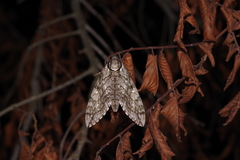
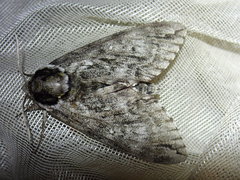
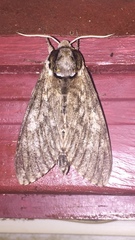
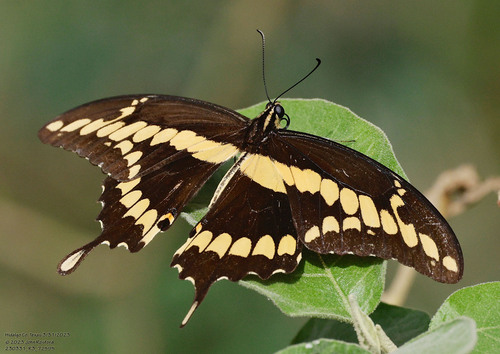
Waved Sphinx

Waved Sphinx

Ceratomia undulosa

Daily sighting probability <5% · Rare
at Monterrey

In 3 days ~10% in a week ~30%

18 Verified sightings at Monterrey
56 In all 5 parks From 2019 to 2026
March Best month
☀️🌙 Day & Night When it's spotted

About the Waved Sphinx

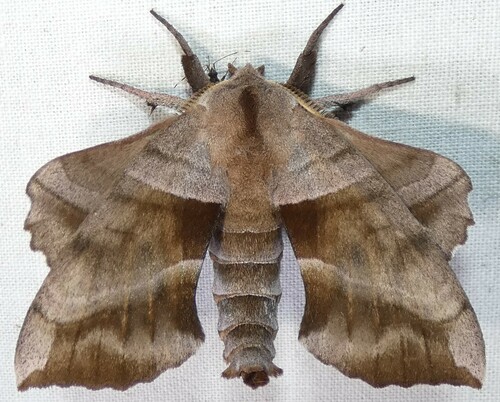
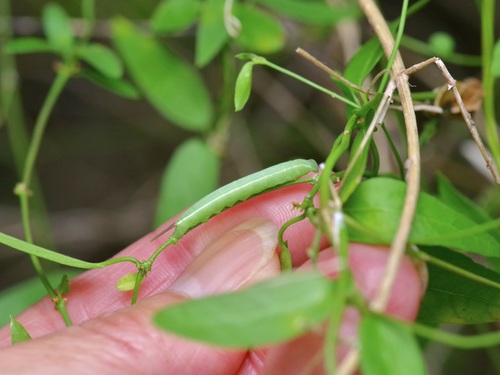
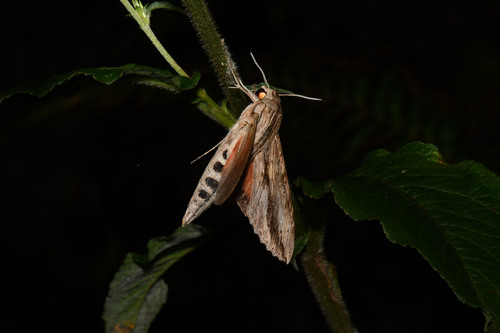
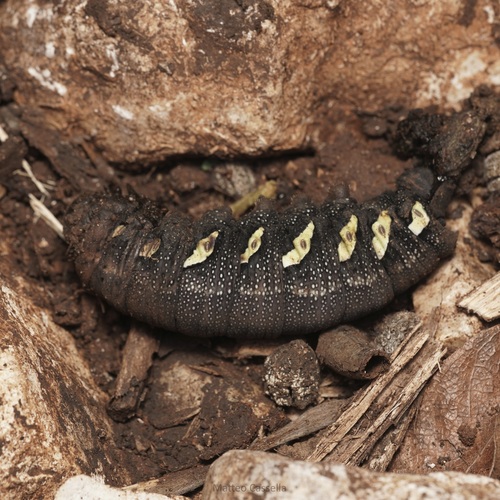
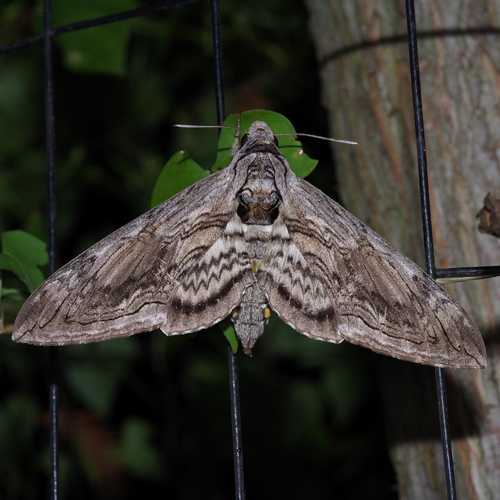
Ceratomia undulosa, the waved sphinx, is a moth of the family Sphingidae. The species was first described by Francis Walker in 1856. Also known as the "Scorpion Moth" (See "Biology" Below"). It is found in the United States, and southern Canada, east of the Rocky Mountains. Adult moths are strictly nocturnal, hiding away as dawn approaches (Fullard & Napoleone 2001).

Recorded food plants of the larvae include ash (Fraxinus), privet (Ligustrum), oak (Quercus), hawthorn (Crataegus) and fringe tree (Chionanthus virginicus). When ready, larvae dig underground to pupate. The most common predator is the Guiana Striped Scorpion, which feasts on the moth's egg clusters. The common proximity of the two species, sometimes showing up as the moth lays her eggs, has resulted in erroneous conclusions that the moths give birth to the scorpions, and the resultant name "Scorpion Moth."

Ceratomia undulosa undulosa (from Prince Edward Island and Nova Scotia west to eastern Alberta and Maine to Florida west to the eastern Great Plains and south to Florida, the Gulf Coast and Texas) Ceratomia undulosa polingi Clark, 1929 (Mexico)

��2... Wikipedia →
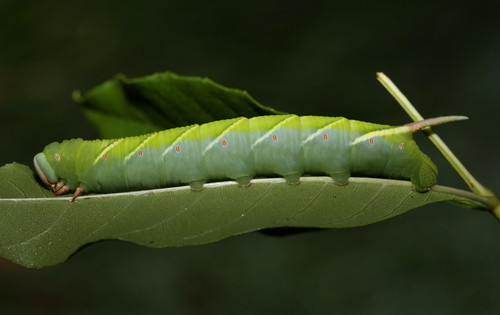
Global Distribution

Parks Where Found

# Park Country Daily sighting probability
1 Cape Breton Highlands National Park 🇨🇦 Canada
~10%
2 Shenandoah National Park 🇺🇸 United States
~10%
3 Acadia National Park 🇺🇸 United States
~10%
4 Great Smoky Mountains National Park 🇺🇸 United States
<5%
5 Cumbres de Monterrey National Park 🇲🇽 Mexico
<5%

Cities Where Found

# City Country Daily sighting probability
1 Denver 🇺🇸 United States
~10%
2 Austin 🇺🇸 United States
~10%
3 Dallas 🇺🇸 United States
~10%
4 San Antonio 🇺🇸 United States
~10%
5 Calgary 🇨🇦 Canada
<5%
6 Monterrey 🇲🇽 México
<5%
7 Edmonton 🇨🇦 Canada
<5%
8 Houston 🇺🇸 United States
<5%
9 Boston 🇺🇸 United States
<5%
10 Montreal 🇨🇦 Canada
<5%

Before you go

What are the chances of seeing a Waved Sphinx in Monterrey?

Rare

Under 5% of wildlife watchers report a Waved Sphinx sighting in Monterrey on a given day, based on 18 verified sightings from GBIF citizen-science data. It is the 177th most-seen of the 413 insects we can rate there. Over three days the chance rises to about 10%, and over a week to about 30%, if each day is a fresh chance.

When is the best time to see a Waved Sphinx in Monterrey?

February–March and September–December

In those months about 10% of wildlife watchers report a Waved Sphinx in Monterrey on a given day, against under 5% in January and April–August, the lowest months.

What time of day is best to see a Waved Sphinx?

Between 4 and 7 am

Across all the parks we cover, that three-hour window holds the most Waved Sphinx sightings with a recorded time, and about 6 in 10 of them come between 6 am and 6 pm: it is seen both by day and at night.

Is Monterrey the best place to see a Waved Sphinx?

6th of 14

Of the 14 cities where we can rate Waved Sphinx sightings, Monterrey ranks 6th at under 5%. The best odds are in Denver (United States, about 10%), Austin (United States, about 10%) and Dallas (United States, about 10%).

Which relatives of the Waved Sphinx live in Monterrey?

Same family: Sphingidae

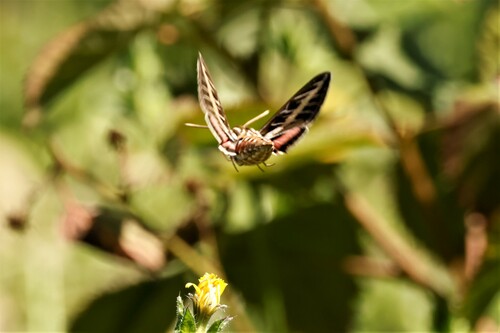
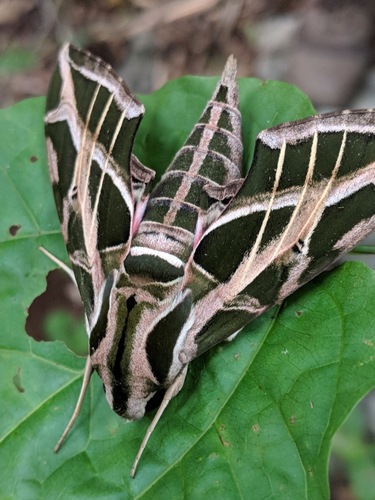
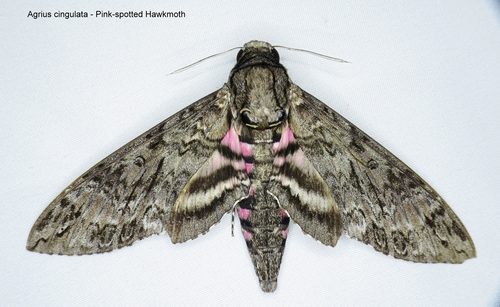
The closest relatives of the Waved Sphinx that you can see in Monterrey (family Sphingidae, Sphinx Moths) are White-Lined Sphinx (about 10%), Walnut Sphinx (about 10%) and Vine Sphinx (about 10%), with each one's daily chance of a sighting.

Where does the Waved Sphinx sighting chance come from?

GBIF citizen-science records

It is estimated from how often the Waved Sphinx is recorded against all the insects logged in Monterrey (18 verified sightings), calibrated against known sighting rates. Figures are rounded to the nearest 10% because citizen-science data supports honest approximations, not decimals, and months with records from fewer than five people show "—". How it works.

← Back to Monterrey