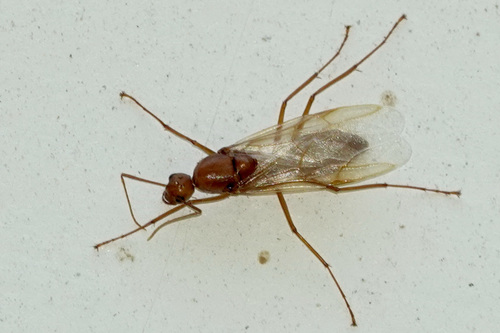
Odorous House Ant

Odorous House Ant

Tapinoma sessile

Daily sighting probability ~10% · With luck
at New York City

In 3 days ~20% in a week ~50%

584 Verified sightings at New York City
28 In all 3 parks From 2019 to 2026
June Best month
☀️ Diurnal When it's spotted

About the Odorous House Ant

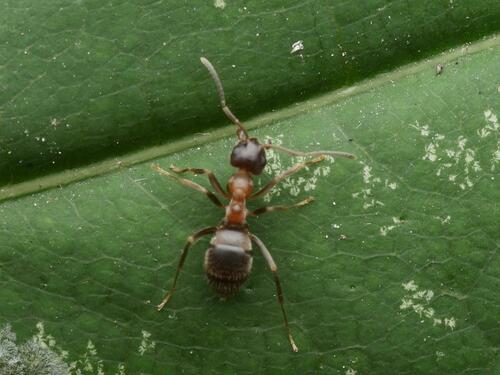
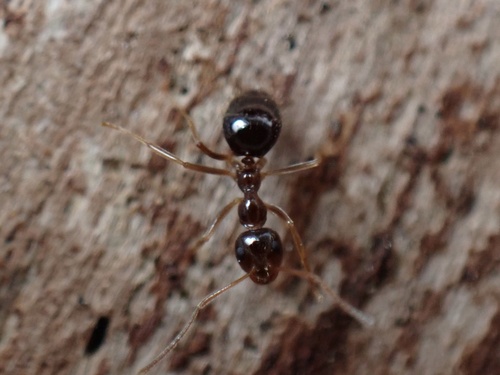
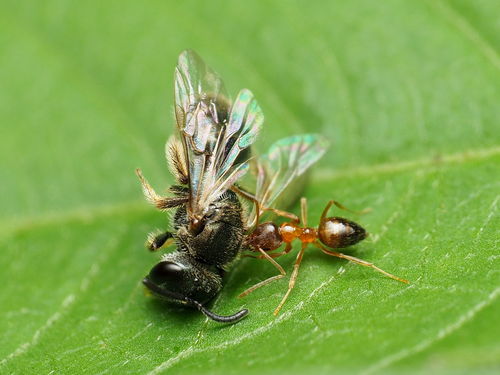
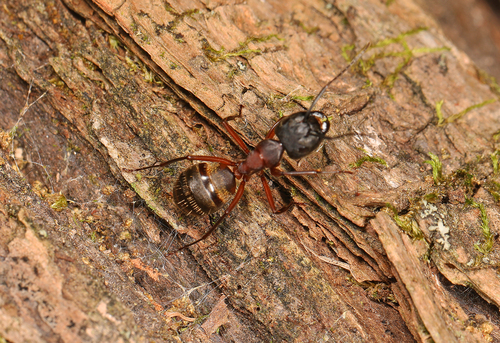
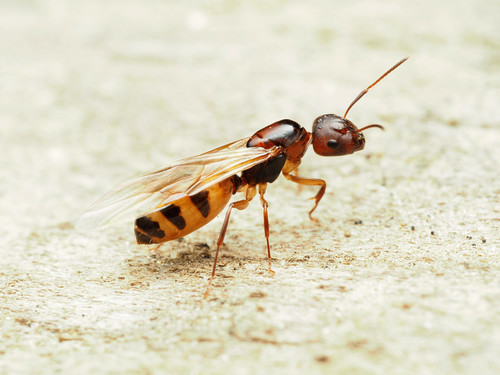
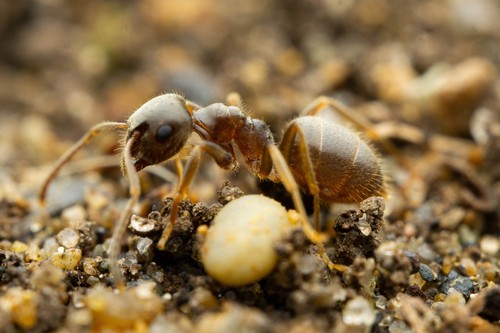
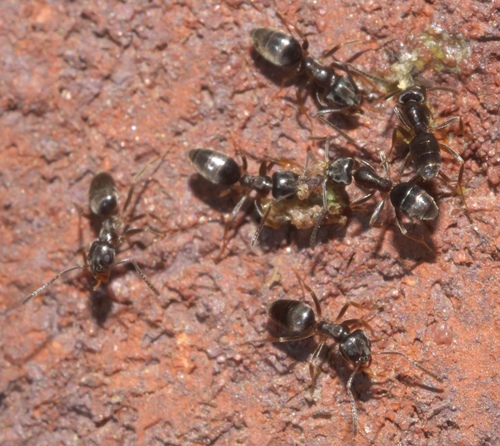
Tapinoma sessile is a species of small ant that goes by the common names odorous house ant, sugar ant, stink ant, and coconut ant. Their colonies are polydomous (consisting of multiple nests) and polygynous (containing multiple reproducing queens). Like many social insects, T. sessile employs complex foraging strategies, allocates food depending on environmental conditions, and engages in competition with other insects.

T. sessile can be found in a huge diversity of habitats, including within houses. They forage mainly for honeydew, which is produced by aphids and scale insects that are guarded and tended by the ants, as well as floral nectar and other sugary foods. They are common household pests and are attracted to sources of water and sweets.

Tapinoma sessile have long been suspected of exhibiting cloning behaviors similar to those observed in black crazy ants. This hypothesis has recently been confirmed through experimental evidence. In a notable experiment conducted by Marcello Ponzo, a colony consisting of seven queens and approximately 3,000 to 4,000 workers was kept in a controlled outworld and nest environment after being captured from the wild. Within a period of almost two months, the colony increased its number of queens from seven to ten under optimal conditions and a nutritious diet. This observation provides strong evidence supporting the theory of cloning in Tapinoma sessile.

Like other ants, T. sessile is eusocial. This is characterized by reproductive division of labor, cooperative care of the young, and the overlapping of multiple generations. Wikipedia →
Global Distribution

Parks Where Found

# Park Country Daily sighting probability
1 Sequoia and Kings Canyon National Parks 🇺🇸 United States
~10%
2 Shenandoah National Park 🇺🇸 United States
~10%
3 Great Bear Rainforest 🇨🇦 Canada
<5%

Cities Where Found

# City Country Daily sighting probability
1 New York City 🇺🇸 United States
~10%
2 Washington 🇺🇸 United States
~10%
3 Philadelphia 🇺🇸 United States
~10%
4 Baltimore 🇺🇸 United States
~10%
5 Chicago 🇺🇸 United States
~10%
6 Portland 🇺🇸 United States
<5%
7 Dallas 🇺🇸 United States
<5%
8 Boston 🇺🇸 United States
<5%
9 Seattle 🇺🇸 United States
<5%
10 Detroit 🇺🇸 United States
<5%

Before you go

What are the chances of seeing an Odorous House Ant in New York City?

With luck

About 10% of wildlife watchers report an Odorous House Ant sighting in New York City on a given day, based on 584 verified sightings from GBIF citizen-science data. It is the 49th most-seen of the 1623 insects we can rate there. Over three days the chance rises to about 20%, and over a week to about 50%, if each day is a fresh chance.

When is the best time to see an Odorous House Ant in New York City?

February to October

In those months about 10% of wildlife watchers report an Odorous House Ant in New York City on a given day, against under 5% in November to January, the lowest months.

What time of day is best to see an Odorous House Ant?

Between 3 and 6 pm

Across all the parks we cover, that three-hour window holds the most Odorous House Ant sightings with a recorded time, and about 8 in 10 of them come between 6 am and 6 pm: it is a daytime animal.

Is New York City the best place to see an Odorous House Ant?

Yes

Of the 18 cities where we can rate Odorous House Ant sightings, New York City has the highest daily chance: about 10%. Next come Washington (United States, about 10%) and Philadelphia (United States, about 10%).

Where does the Odorous House Ant sighting chance come from?

GBIF citizen-science records

It is estimated from how often the Odorous House Ant is recorded against all the insects logged in New York City (584 verified sightings), calibrated against known sighting rates. Figures are rounded to the nearest 10% because citizen-science data supports honest approximations, not decimals, and months with records from fewer than five people show "—". How it works.

← Back to New York City