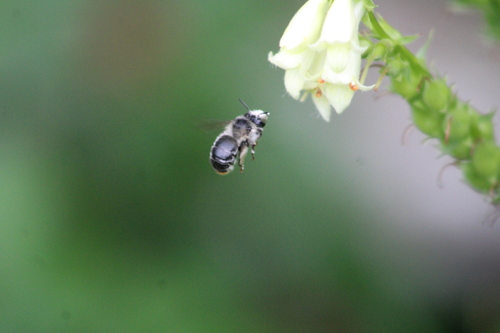
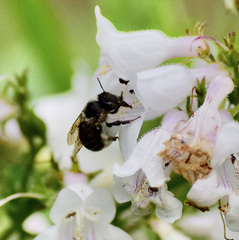
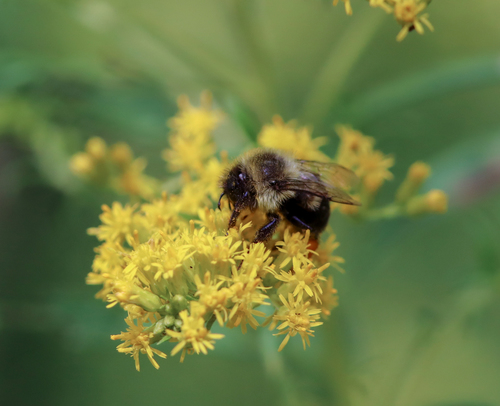
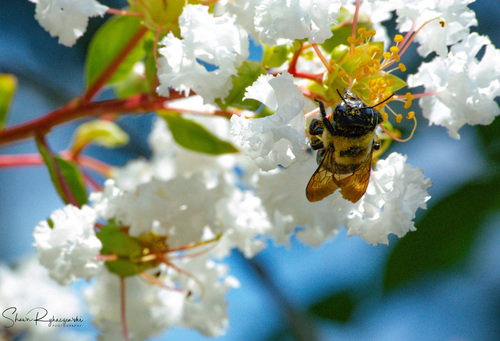
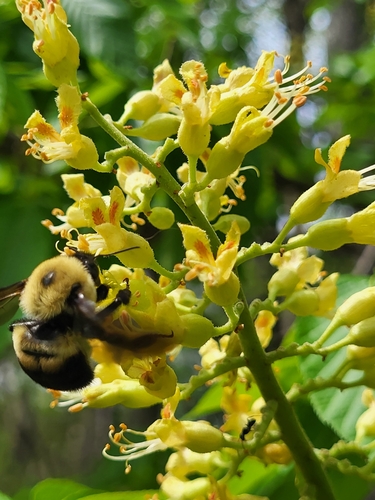
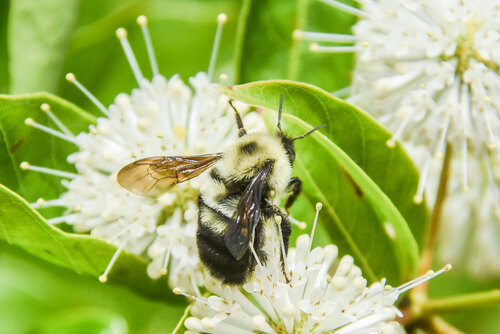
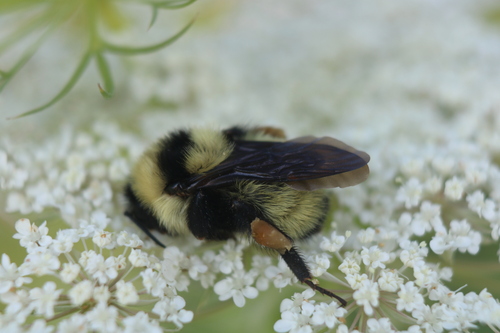
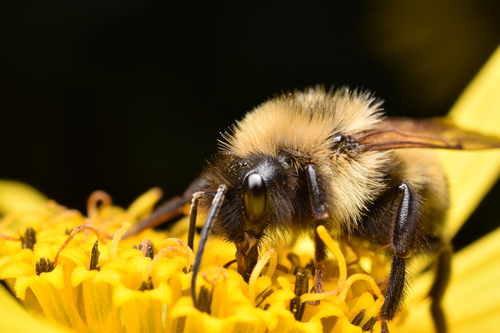
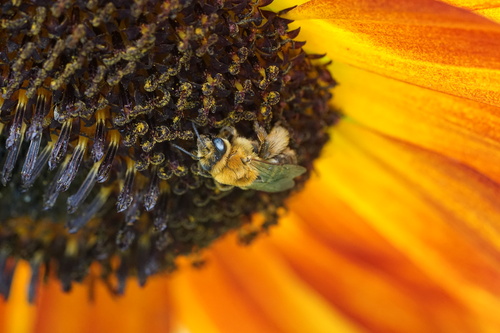
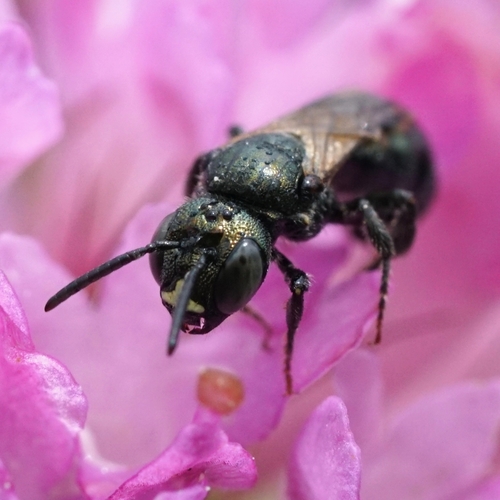
What are the chances of seeing an Orange-Tipped Wood-Digger in New York City?
Rare
Under 5% of wildlife watchers report an Orange-Tipped Wood-Digger sighting in New York City on a given day, based on 13 verified sightings from GBIF citizen-science data. It is the 978th most-seen of the 1623 insects we can rate there. Over three days the chance rises to about 10%, if each day is a fresh chance.
When is the best time to see an Orange-Tipped Wood-Digger in New York City?
Any time of year
In every month with enough records, under 5% of wildlife watchers report an Orange-Tipped Wood-Digger in New York City on a given day, so our monthly data shows no clear season.
What time of day is best to see an Orange-Tipped Wood-Digger?
Between 7 and 10 am
Across all the parks we cover, that three-hour window holds the most Orange-Tipped Wood-Digger sightings with a recorded time, and nearly all of them come between 6 am and 6 pm: it is a daytime animal.
Is New York City the best place to see an Orange-Tipped Wood-Digger?
9th of 9
Of the 9 cities where we can rate Orange-Tipped Wood-Digger sightings, New York City ranks 9th at under 5%. The best odds are in Chicago (United States, about 10%), Detroit (United States, about 10%) and Boston (United States, under 5%).
Which relatives of the Orange-Tipped Wood-Digger live in New York City?
Same family: Apidae
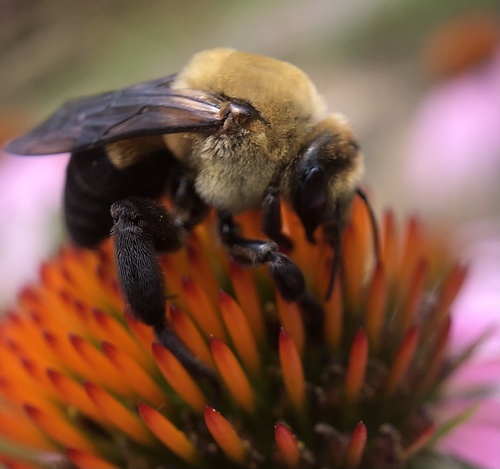
The closest relatives of the Orange-Tipped Wood-Digger that you can see in New York City (family Apidae, Honey Bees, Bumble Bees, and Allies) are Common Eastern Bumble Bee (about 30%), Eastern Carpenter Bee (about 20%) and Brown-Belted Bumble Bee (about 20%), with each one's daily chance of a sighting.
Where does the Orange-Tipped Wood-Digger sighting chance come from?
GBIF citizen-science records
It is estimated from how often the Orange-Tipped Wood-Digger is recorded against all the insects logged in New York City (13 verified sightings), calibrated against known sighting rates. Figures are rounded to the nearest 10% because citizen-science data supports honest approximations, not decimals, and months with records from fewer than five people show "—". How it works.