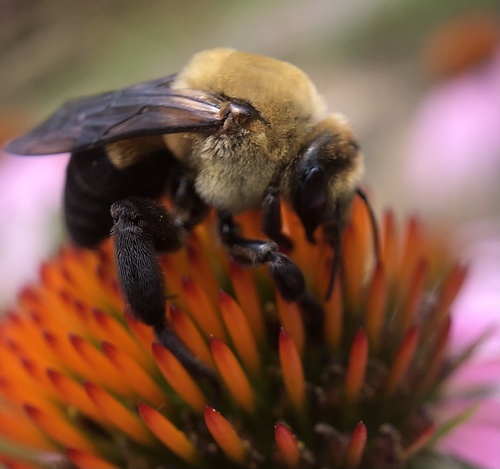
Lemon Cuckoo Bumble Bee

Lemon Cuckoo Bumble Bee

Bombus citrinus

Daily sighting probability ~10% · With luck
at Philadelphia

In 3 days ~20% in a week ~40%

72 Verified sightings at Philadelphia
10 In 1 park From 2019 to 2026
August Best month
☀️ Diurnal When it's spotted

About the Lemon Cuckoo Bumble Bee

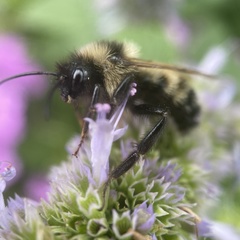
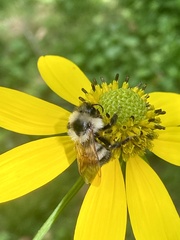
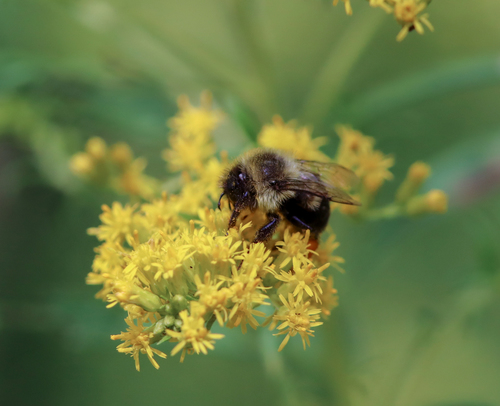
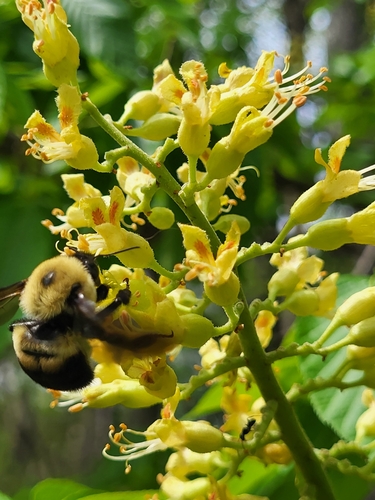
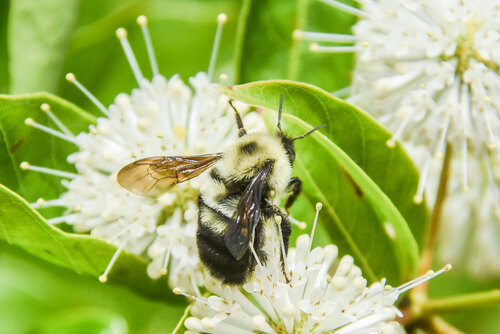
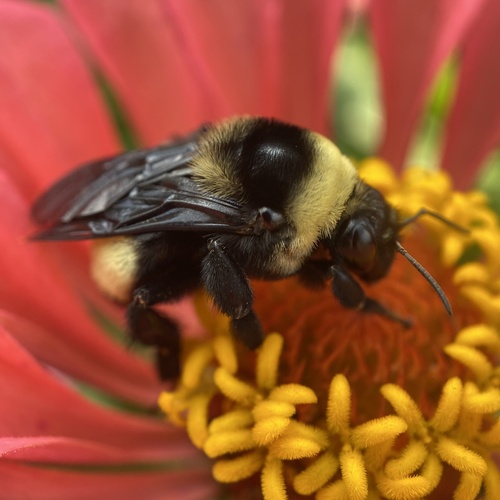
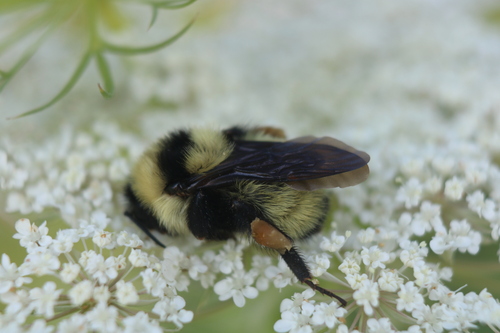
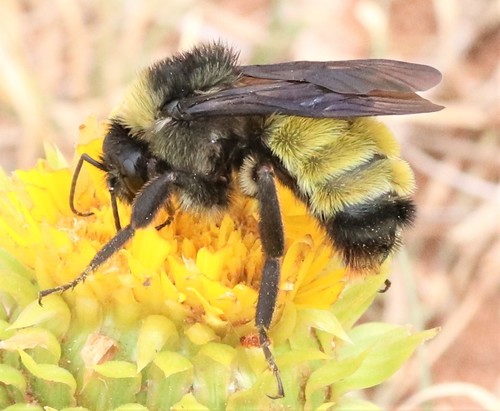
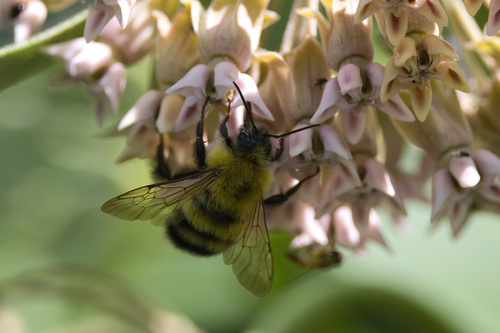
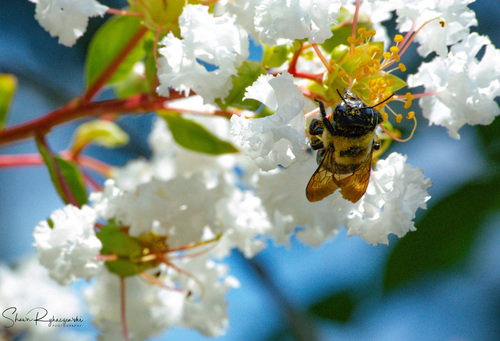
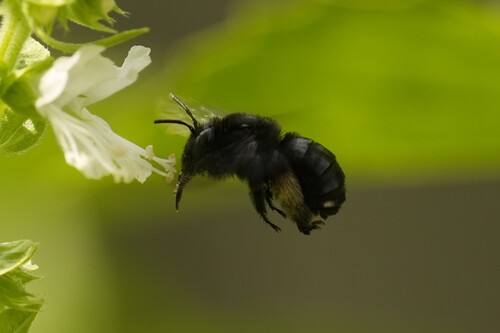
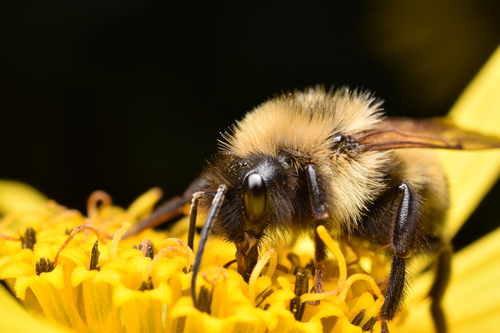
Bombus citrinus is a species of bumblebee known commonly as the lemon cuckoo bumblebee due to its lemon-yellow color. It is native to eastern North America. This is a cuckoo bumblebee, one that invades the colonies of other bumblebees, kills the resident queen, and takes control over the population of workers inside. Host bees for this species include the common eastern bumblebee (Bombus impatiens) and the half-black bumblebee (B. vagans).

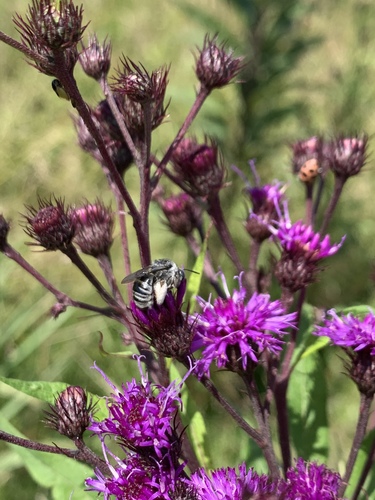
Before the queen invades a nest she forages on various plants, such as asters, thistles, snakeroots, blazing-stars, mountain-mints, and goldenrods. Bombus citrinus belongs to the parasitic Bombus subgenus Psithyrus. A previous classification had Psithyrus listed as its own genus, and so this species used to be identified as Psithyrus citrinus. Members of Psithyrus are distinguished from other Bombus based on an abdomen with thick tergites, a long stinger, enlarged mandibles, loss of corbiculae, no worker castes, and a reduction in wax glands and its production; all of these features are associated with being inquiline parasites that replace host queens. Of the other species within this subgenera it is most closely related to Bombus... Wikipedia →
Global Distribution

Parks Where Found

# Park Country Daily sighting probability
1 Great Smoky Mountains National Park 🇺🇸 United States
<5%

More parks will be added in future updates.

Cities Where Found

# City Country Daily sighting probability
1 Minneapolis [Saint Paul] 🇺🇸 United States
~20%
2 Philadelphia 🇺🇸 United States
~10%
3 New York City 🇺🇸 United States
~10%
4 Detroit 🇺🇸 United States
~10%
5 Toronto 🇨🇦 Canada
~10%
6 Washington 🇺🇸 United States
<5%
7 Montreal 🇨🇦 Canada
<5%
8 Baltimore 🇺🇸 United States
<5%
9 Chicago 🇺🇸 United States
<5%

Before you go

What are the chances of seeing a Lemon Cuckoo Bumble Bee in Philadelphia?

With luck

About 10% of wildlife watchers report a Lemon Cuckoo Bumble Bee sighting in Philadelphia on a given day, based on 72 verified sightings from GBIF citizen-science data. It is the 104th most-seen of the 632 insects we can rate there. Over three days the chance rises to about 20%, and over a week to about 40%, if each day is a fresh chance.

When is the best time to see a Lemon Cuckoo Bumble Bee in Philadelphia?

August

In that month about 20% of wildlife watchers report a Lemon Cuckoo Bumble Bee in Philadelphia on a given day, against under 5% in September to June, the lowest months.

What time of day is best to see a Lemon Cuckoo Bumble Bee?

Between 1 and 4 pm

Across all the parks we cover, that three-hour window holds the most Lemon Cuckoo Bumble Bee sightings with a recorded time, and nearly all of them come between 6 am and 6 pm: it is a daytime animal.

Is Philadelphia the best place to see a Lemon Cuckoo Bumble Bee?

2nd of 9

Of the 9 cities where we can rate Lemon Cuckoo Bumble Bee sightings, Philadelphia ranks 2nd at about 10%. The best odds are in Minneapolis [Saint Paul] (United States, about 20%).

Where does the Lemon Cuckoo Bumble Bee sighting chance come from?

GBIF citizen-science records

It is estimated from how often the Lemon Cuckoo Bumble Bee is recorded against all the insects logged in Philadelphia (72 verified sightings), calibrated against known sighting rates. Figures are rounded to the nearest 10% because citizen-science data supports honest approximations, not decimals, and months with records from fewer than five people show "—". How it works.

← Back to Philadelphia