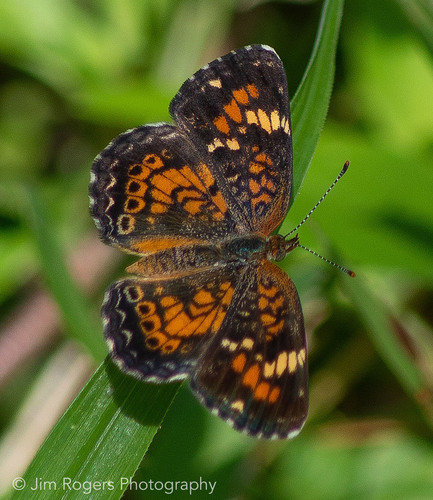
Viceroy

Viceroy

Limenitis archippus

Daily sighting probability ~10% · With luck
at San Antonio

In 3 days ~20% in a week ~40%

101 Verified sightings at San Antonio
337 In all 8 parks From 2019 to 2026
October Best month
☀️ Diurnal When it's spotted

About the Viceroy

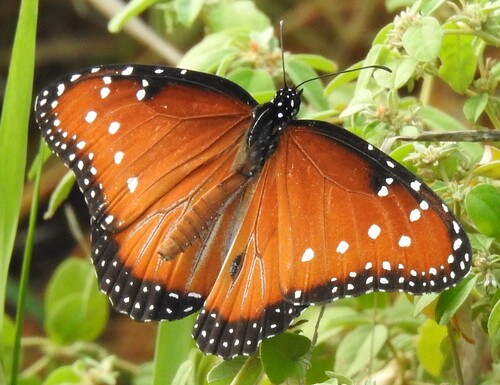
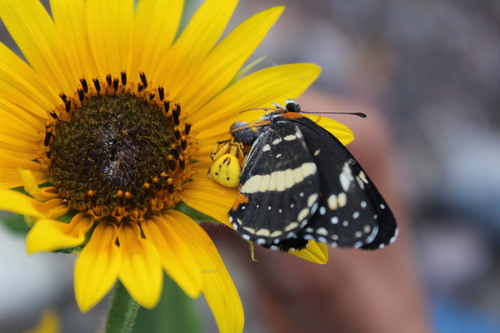
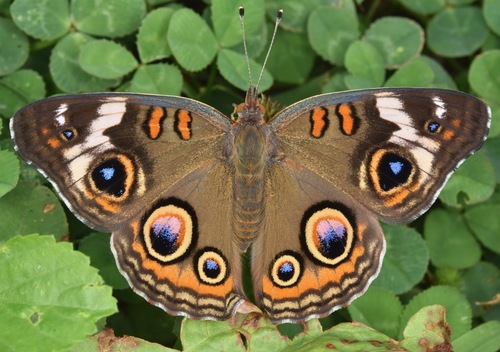
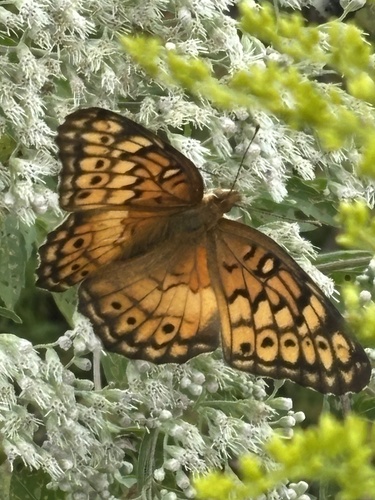
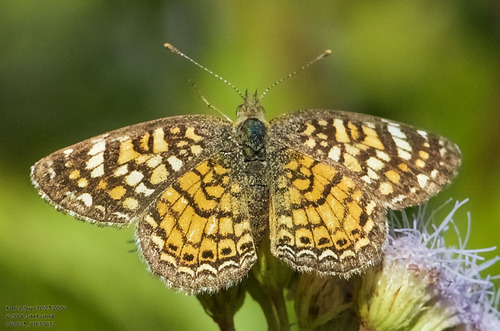
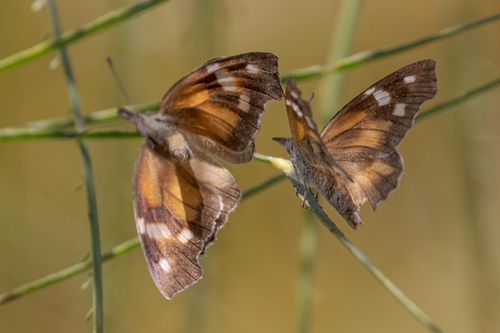
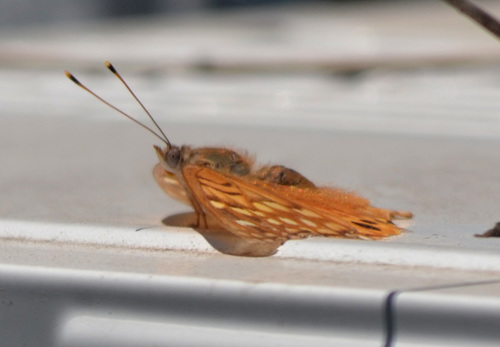
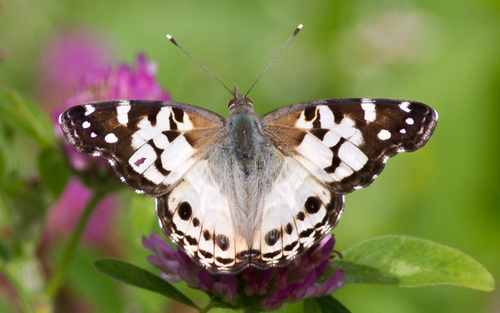
The viceroy (Limenitis archippus) is a North American butterfly. It was long thought to be a Batesian mimic of the monarch butterfly, but since the viceroy is also distasteful to predators, it is instead considered a Müllerian mimic.

The viceroy was named the state butterfly of Kentucky in 1990. Its wings feature an orange and black pattern, and over most of its range it is a Müllerian mimic with the monarch butterfly (Danaus plexippus). The viceroy's wingspan is between 53 and 81 mm (2.1 and 3.2 in). It can be distinguished from the monarch by its smaller size and the postmedian black line that runs across the veins on the hindwing.

In Florida, Georgia, and the American Southwest, viceroys share the pattern of the queen (Danaus gilippus) and in Mexico they share the pattern of the soldier (Danaus eresimus). In all three areas, the local Danaus population mimic the coloration of the viceroy species. It was originally believed that the viceroy was a Batesian mimic of the three other species, and presumed edible or only mildly unpalatable to predators, but this has since proven not to be true. In an experiment with both the monarch's and viceroy's wings removed, birds... Wikipedia →

Global Distribution

Parks Where Found

# Park Country Daily sighting probability
1 Everglades National Park 🇺🇸 United States
~30%
2 Big Cypress National Preserve 🇺🇸 United States
~20%
3 Congaree National Park 🇺🇸 United States
~20%
4 Point Pelee National Park 🇨🇦 Canada
~20%
5 Merritt Island National Wildlife Refuge 🇺🇸 United States
~10%
6 Riding Mountain National Park 🇨🇦 Canada
~10%
7 Shenandoah National Park 🇺🇸 United States
~10%
8 Acadia National Park 🇺🇸 United States
~10%

Cities Where Found

# City Country Daily sighting probability
1 Montreal 🇨🇦 Canada
~10%
2 Houston 🇺🇸 United States
~10%
3 Toronto 🇨🇦 Canada
~10%
4 San Antonio 🇺🇸 United States
~10%
5 Detroit 🇺🇸 United States
~10%
6 Austin 🇺🇸 United States
~10%
7 Chicago 🇺🇸 United States
~10%
8 Dallas 🇺🇸 United States
~10%
9 Orlando 🇺🇸 United States
<5%
10 Baltimore 🇺🇸 United States
<5%

Before you go

What are the chances of seeing a Viceroy in San Antonio?

With luck

About 10% of wildlife watchers report a Viceroy sighting in San Antonio on a given day, based on 101 verified sightings from GBIF citizen-science data. It is the 102nd most-seen of the 697 insects we can rate there. Over three days the chance rises to about 20%, and over a week to about 40%, if each day is a fresh chance.

When is the best time to see a Viceroy in San Antonio?

May to November

In those months about 10% of wildlife watchers report a Viceroy in San Antonio on a given day, against under 5% in December to April, the lowest months.

What time of day is best to see a Viceroy?

Between 10 am and 1 pm

Across all the parks we cover, that three-hour window holds the most Viceroy sightings with a recorded time, and nearly all of them come between 6 am and 6 pm: it is a daytime animal.

Is San Antonio the best place to see a Viceroy?

Among the best

Of the 17 cities where we can rate Viceroy sightings, San Antonio ranks 4th at about 10%, level with the leaders once rounded. The best odds are in Montreal (Canada, about 10%), Houston (United States, about 10%) and Toronto (Canada, about 10%).

Which relatives of the Viceroy live in San Antonio?

Same family: Nymphalidae

The closest relatives of the Viceroy that you can see in San Antonio (family Nymphalidae, Brush-footed Butterflies) are Gulf Fritillary (about 40%), Monarch (about 30%) and Queen (about 30%), with each one's daily chance of a sighting.

Where does the Viceroy sighting chance come from?

GBIF citizen-science records

It is estimated from how often the Viceroy is recorded against all the insects logged in San Antonio (101 verified sightings), calibrated against known sighting rates. Figures are rounded to the nearest 10% because citizen-science data supports honest approximations, not decimals, and months with records from fewer than five people show "—". How it works.

← Back to San Antonio