Japanese Wagtail

Japanese Wagtail

Motacilla grandis

Silhouette: Martin Bulla, based on Ren Hathway's illustration · PhyloPic

LCLeast ConcernNTVUENCR
Daily sighting probability ~20% · Possible
at Tokyo

In 3 days ~50% in a week ~80%

3,831 Verified sightings at Tokyo
88 In 1 park From 2019 to 2026
October Best month
☀️ Diurnal When it's spotted

About the Japanese Wagtail

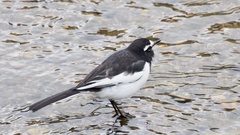
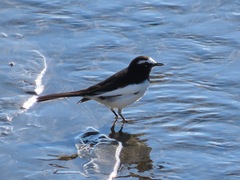
The Japanese wagtail (Motacilla grandis) is a species of bird in the pipit and wagtail family Motacillidae. It is native to Japan and Korea. The Japanese wagtail is about 20 cm long. The sexes look similar; they have white underparts and black upperparts, throats, and backs. Their supercilia are also white. They have black beaks and dark grey legs and feet. The plumage of a juvenile is greyer than that of an adult.

The bird's Latin species name, grandis, means large. The Japanese wagtail is classed as a species of least concern by the IUCN. It has a stable population. The Japanese wagtail eats insects. Large groups of Japanese wagtails roost together in trees.

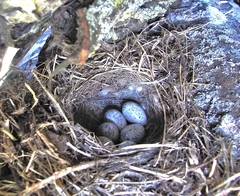
Nests are built in cavities near water. The parents both look after the eggs and chicks. Four to six eggs are laid in each clutch. It is native to Japan and Korea. Vagrant birds have been recorded in Taiwan, eastern China and far-eastern Russia. It lives in inland wetlands, on arable land and in urban areas. Wikipedia →

Sounds

Call0:21

Japan · 2020

© Markus Jacobs · XC532311 · CC BY-NC-SA 4.0

Song0:33

Japan · 2019

© Phil Gregory · XC454869 · CC BY-NC-SA 4.0

Flight call0:15

China · 2022

© ely what · XC704676 · CC BY-NC-SA 4.0

Global Distribution

Parks Where Found

# Park Country Daily sighting probability
1 Nikko National Park 🇯🇵 Japan
~20%

More parks will be added in future updates.

Cities Where Found

# City Country Daily sighting probability
1 Sendai 🇯🇵 Japan
~70%
2 Nagoya 🇯🇵 Japan
~40%
3 Osaka 🇯🇵 Japan
~40%
4 Daejeon 🇰🇷 South Korea
~30%
5 Tokyo 🇯🇵 Japan
~20%
6 Fukuoka 🇯🇵 Japan
~20%
7 Hiroshima 🇯🇵 Japan
~20%
8 Seoul 🇰🇷 South Korea
<5%

Zoos & Centres Where Found

# Zoo / Centre Country
1 Ueno Zoo 🇯🇵 Japan In captivity

Before you go

What are the chances of seeing a Japanese Wagtail in Tokyo?

Possible

About 20% of wildlife watchers report a Japanese Wagtail sighting in Tokyo on a given day, based on 3,831 verified sightings from GBIF citizen-science data. It is the 35th most-seen of the 229 birds we can rate there. Over three days the chance rises to about 50%, and over a week to about 80%, if each day is a fresh chance.

When is the best time to see a Japanese Wagtail in Tokyo?

October and December

In those months about 30% of wildlife watchers report a Japanese Wagtail in Tokyo on a given day, against about 10% in April to August, the lowest months.

What time of day is best to see a Japanese Wagtail?

Between 6 and 9 am

Across all the parks we cover, that three-hour window holds the most Japanese Wagtail sightings with a recorded time, and about 9 in 10 of them come between 6 am and 6 pm: it is a daytime animal.

Is Tokyo the best place to see a Japanese Wagtail?

5th of 8

Of the 8 cities where we can rate Japanese Wagtail sightings, Tokyo ranks 5th at about 20%. The best odds are in Sendai (Japan, about 70%), Nagoya (Japan, about 40%) and Osaka (Japan, about 40%).

Which relatives of the Japanese Wagtail live in Tokyo?

Same genus: Motacilla

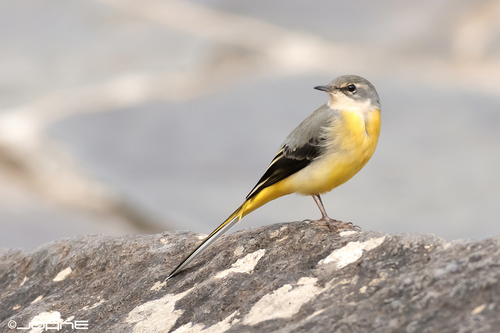
The closest relatives of the Japanese Wagtail that you can see in Tokyo (genus Motacilla, Wagtails) are White Wagtail (about 70%) and Grey Wagtail (about 10%), with each one's daily chance of a sighting.

Where does the Japanese Wagtail sighting chance come from?

GBIF citizen-science records

It is estimated from how often the Japanese Wagtail is recorded against all the birds logged in Tokyo (3,831 verified sightings), calibrated against known sighting rates. Figures are rounded to the nearest 10% because citizen-science data supports honest approximations, not decimals, and months with records from fewer than five people show "—". How it works.

← Back to Tokyo