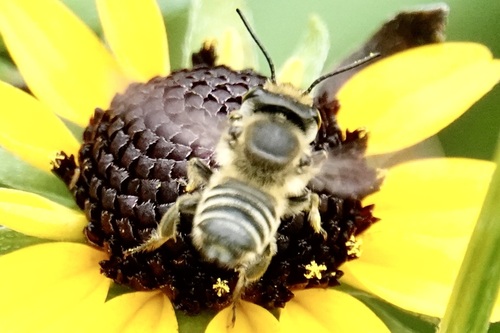
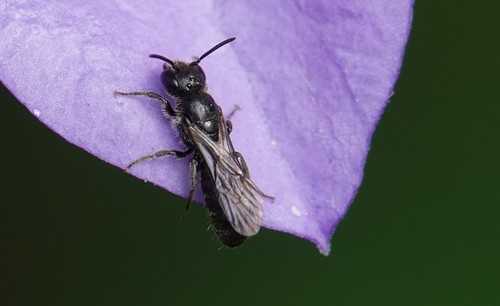
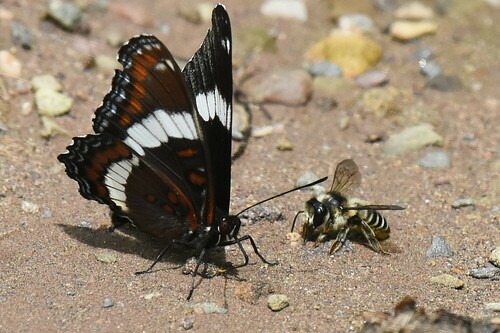
Horn-Faced Mason Bee

Horn-Faced Mason Bee

Osmia cornifrons

Daily sighting probability <5% · Rare
at Toronto

In 3 days ~10% in a week ~20%

20 Verified sightings at Toronto
April Best month

About the Horn-Faced Mason Bee

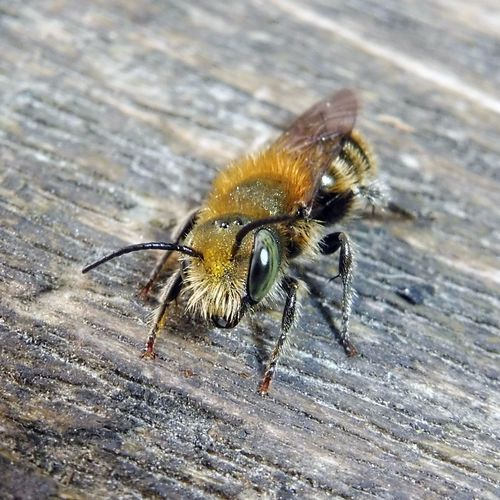
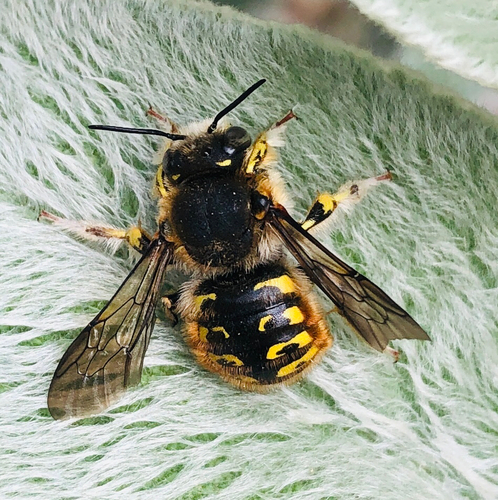
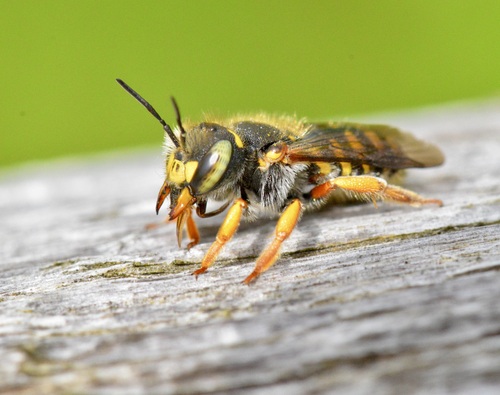
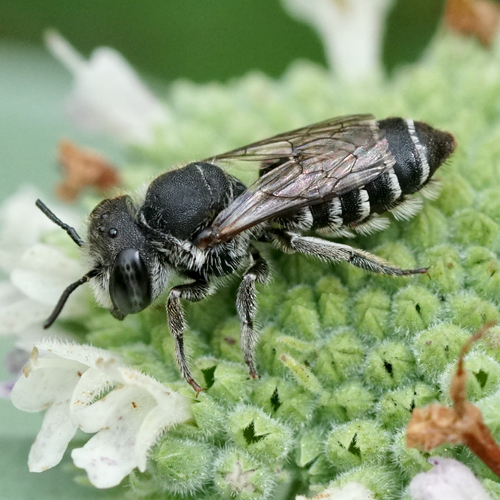
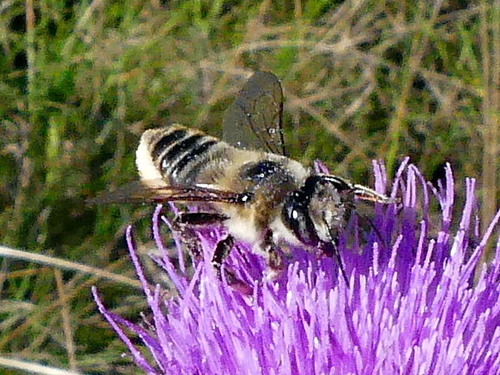
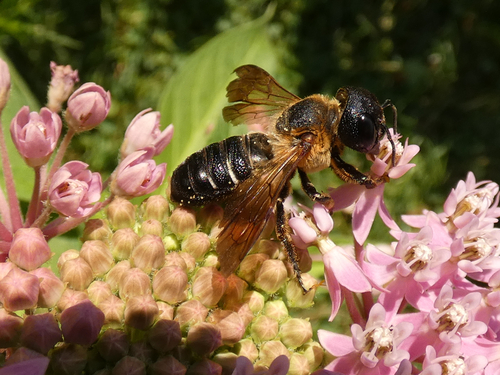
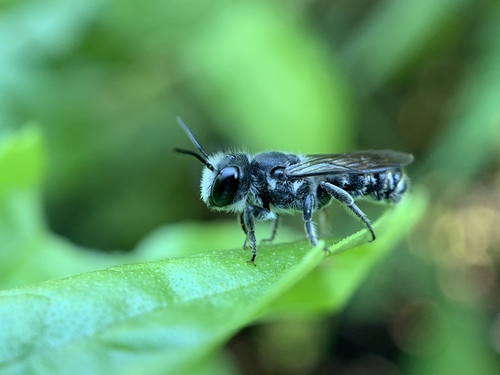
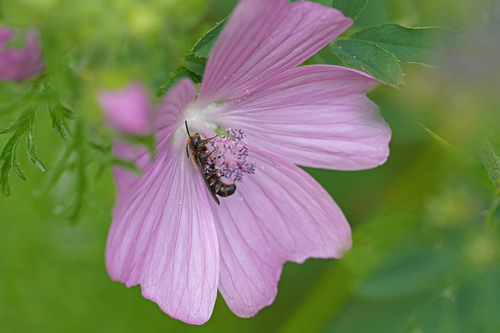
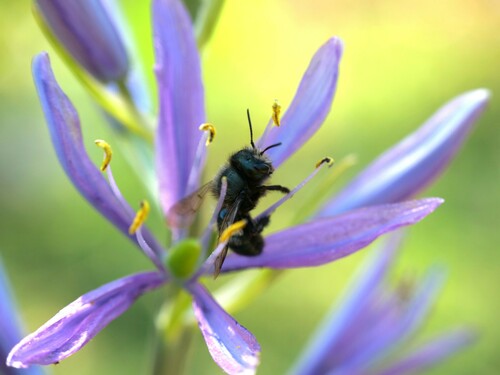
Osmia cornifrons, also known as the horned-face bee, is a species of solitary bee indigenous to Northern Asia. Physically, this species of bee is recognized for its horn-like extensions originating from its lower face. Populations of O. cornifrons have been recorded in multiple locations, including Japan, Korea, China, and Russia. O. cornifrons are more docile as compared to other species of bees and are less prone to sting when aggravated.

Osmia cornifrons was first introduced in Japan in the 1940s and were managed for crop pollination. Over a 50-year time period, use of O. cornifrons gradually increased until more than half of the apple orchards in Japan utilized this species. In 1977, O. cornifrons was introduced in the northeastern United States in an attempt to increase pollination productivity of fruit crops. This species was reintroduced multiple times during the following years.

This species of bee has been utilized for its effectiveness in pollinating flowers at a rapid rate. A single bee can visit up to 2,500 flowers a day and will spend 4–8 minutes per flower. Osmia cornifrons has a high flower constancy, signifying that the bee will... Wikipedia →
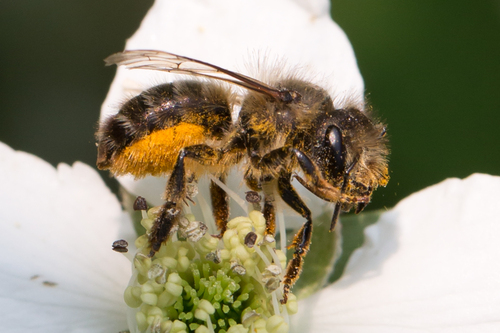
Global Distribution

Parks Where Found

# Park Country Daily sighting probability

More parks will be added in future updates.

Cities Where Found

# City Country Daily sighting probability
1 Portland 🇺🇸 United States
~10%
2 Detroit 🇺🇸 United States
<5%
3 Boston 🇺🇸 United States
<5%
4 Seattle 🇺🇸 United States
<5%
5 Toronto 🇨🇦 Canada
<5%
6 Chicago 🇺🇸 United States
<5%
7 Washington 🇺🇸 United States
<5%
8 New York City 🇺🇸 United States
<5%

Before you go

What are the chances of seeing a Horn-Faced Mason Bee in Toronto?

Rare

Under 5% of wildlife watchers report a Horn-Faced Mason Bee sighting in Toronto on a given day, based on 20 verified sightings from GBIF citizen-science data. It is the 704th most-seen of the 1689 insects we can rate there. Over three days the chance rises to about 10%, and over a week to about 20%, if each day is a fresh chance.

When is the best time to see a Horn-Faced Mason Bee in Toronto?

April

In that month about 10% of wildlife watchers report a Horn-Faced Mason Bee in Toronto on a given day, against under 5% in May to March, the lowest months.

Is Toronto the best place to see a Horn-Faced Mason Bee?

5th of 8

Of the 8 cities where we can rate Horn-Faced Mason Bee sightings, Toronto ranks 5th at under 5%. The best odds are in Portland (United States, about 10%), Detroit (United States, under 5%) and Boston (United States, under 5%).

Where does the Horn-Faced Mason Bee sighting chance come from?

GBIF citizen-science records

It is estimated from how often the Horn-Faced Mason Bee is recorded against all the insects logged in Toronto (20 verified sightings), calibrated against known sighting rates. Figures are rounded to the nearest 10% because citizen-science data supports honest approximations, not decimals, and months with records from fewer than five people show "—". How it works.

← Back to Toronto