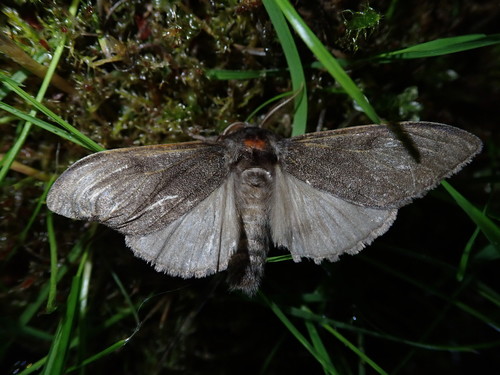
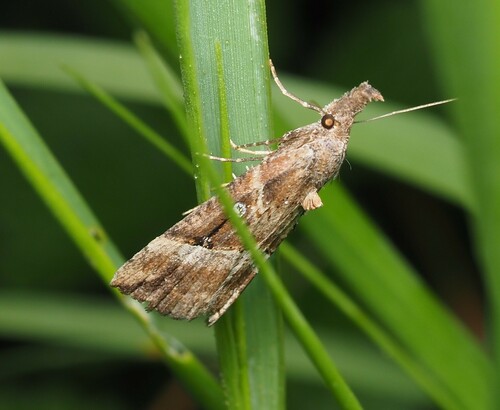
Brown-Tail Moth

Brown-Tail Moth

Euproctis chrysorrhoea

Daily sighting probability <5% · Rare
at Vienna

In 3 days ~10% in a week ~20%

19 Verified sightings at Vienna
312 In all 6 parks From 2019 to 2026
June Best month
☀️ Diurnal When it's spotted

About the Brown-Tail Moth

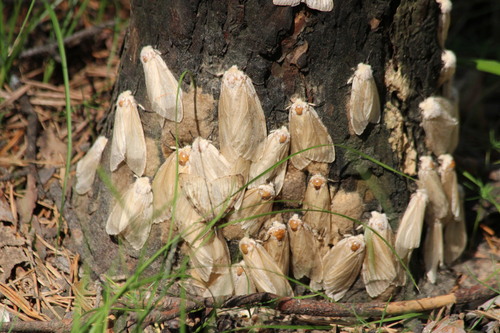
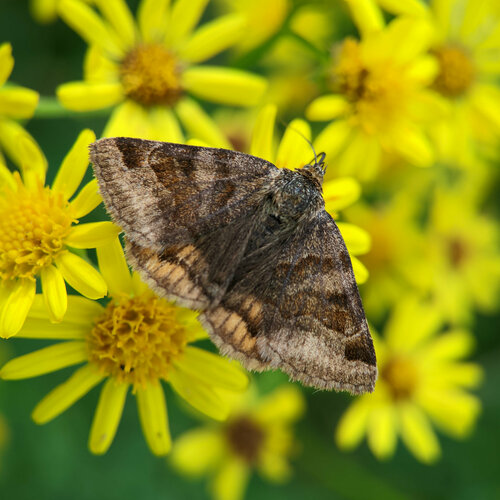
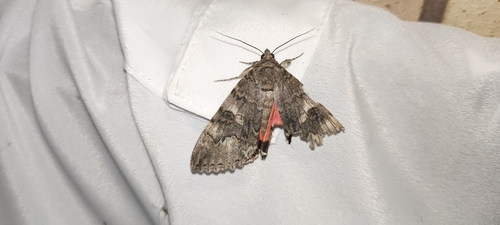
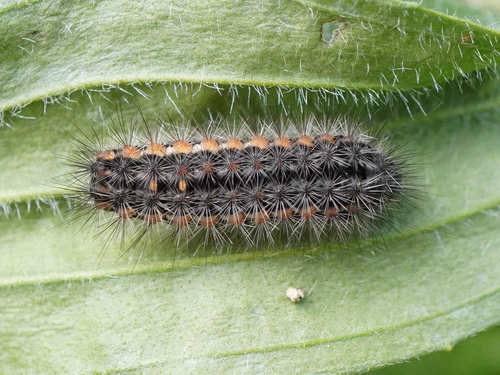
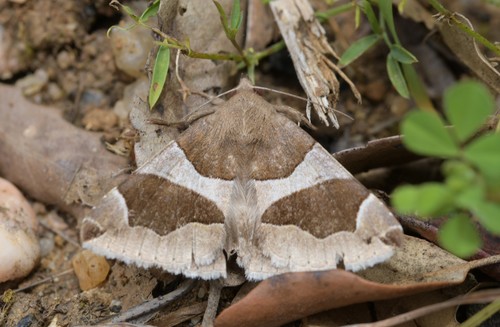
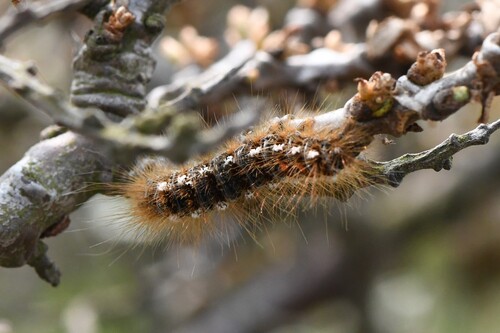
The brown-tail moth (Euproctis chrysorrhoea) is a moth of the family Erebidae. It is native to Europe, neighboring countries in Asia, and the north coast of Africa. Descriptions of outbreaks, i.e., large population increases of several years duration, have been reported as far back as the 1500s. The life cycle of the moth is atypical, in that it spends approximately nine months (August to April) as larvae (caterpillars), leaving about one month each for pupae, imagos and eggs. Larvae (caterpillars) are covered in hairs. Two red spots on the back, toward the tail, distinguish these species from other similarly hairy moth larvae. The winged adults have white wings and a hairy white body with a tuft of brown hair at the tip of the abdomen. Females lay one egg cluster, usually on the underside of a leaf of a host plant. The species is polyphagous, meaning that it feeds on many different species of trees, including pear, apple, maple and oak.

This species was accidentally introduced to the United States in the 1890s. During the early 20th century it was present from eastern Connecticut northward into New Brunswick, Canada, but a subsequent severe population collapse reduced the territory to parts of coastal Maine and Cape Cod, Massachusetts, by the late 20th century. One theory for the decline appeared to be parasitism by a fly introduced to combat spongy moths. Starting in 2015 there has been a population spike and territory expansion in coastal Maine. In Europe, there are multiple parasitic and predator species, yet there is still a history of population outbreaks.

Hairs from the caterpillars are toxic for humans, causing a poison ivy-like itchy rash of up to sometimes weeks-long duration due to mechanical and chemical irritation. Direct contact with larvae is not necessary, as the hairs are shed and can become windblown. Toxins in the hairs remain potent for up to three years. Outdoor activities such as mowing a lawn or raking leaves in the fall can cause exposure. Wikipedia →
Global Distribution

Parks Where Found

# Park Country Daily sighting probability
1 Acadia National Park 🇺🇸 United States
~20%
2 Wadden Sea National Park 🇩🇪 Germany
~20%
3 Vanoise National Park 🇫🇷 France
~10%
4 Sierra Nevada National Park 🇪🇸 Spain
~10%
5 Pyrénées National Park 🇫🇷 France
<5%
6 Sierra de Guadarrama National Park 🇪🇸 Spain
<5%

Cities Where Found

# City Country Daily sighting probability
1 Rotterdam [The Hague] 🇳🇱 Netherlands
~10%
2 Berlin 🇩🇪 Germany
~10%
3 Warsaw 🇵🇱 Poland
<5%
4 Vienna 🇦🇹 Austria
<5%
5 London 🇬🇧 United Kingdom
<5%
6 Paris 🇫🇷 France
<5%

Before you go

What are the chances of seeing a Brown-Tail Moth in Vienna?

Rare

Under 5% of wildlife watchers report a Brown-Tail Moth sighting in Vienna on a given day, based on 19 verified sightings from GBIF citizen-science data. It is the 643rd most-seen of the 1406 insects we can rate there. Over three days the chance rises to about 10%, and over a week to about 20%, if each day is a fresh chance.

When is the best time to see a Brown-Tail Moth in Vienna?

June

In that month about 10% of wildlife watchers report a Brown-Tail Moth in Vienna on a given day, against under 5% in July to May, the lowest months. That is one of Vienna's wettest months, with about 90 mm of rain against 40 mm in February.

What time of day is best to see a Brown-Tail Moth?

Between 11 am and 2 pm

Across all the parks we cover, that three-hour window holds the most Brown-Tail Moth sightings with a recorded time, and about 7 in 10 of them come between 6 am and 6 pm: it is a daytime animal.

Is Vienna the best place to see a Brown-Tail Moth?

4th of 6

Of the 6 cities where we can rate Brown-Tail Moth sightings, Vienna ranks 4th at under 5%. The best odds are in Rotterdam [The Hague] (Netherlands, about 10%), Berlin (Germany, about 10%) and Warsaw (Poland, under 5%).

Which relatives of the Brown-Tail Moth live in Vienna?

Same family: Erebidae

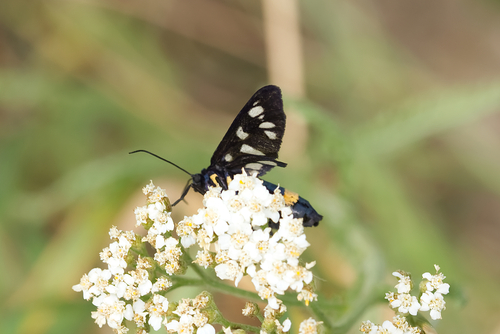
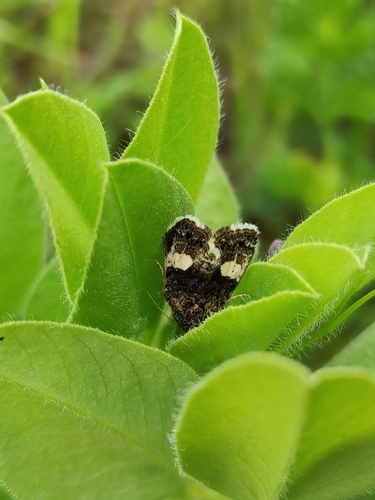
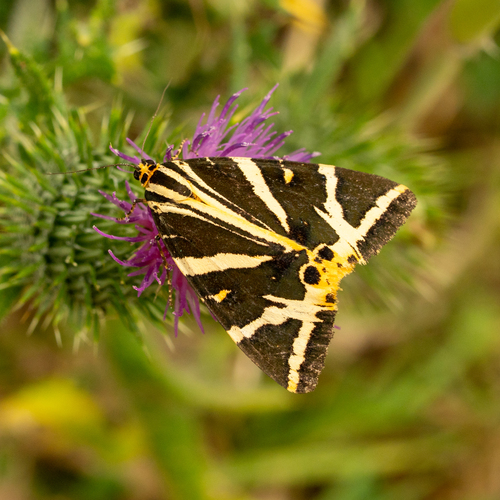
The closest relatives of the Brown-Tail Moth that you can see in Vienna (family Erebidae, Underwing, Tiger, Tussock, and Allied Moths) are Nine-Spotted Moth (about 10%), Four-Spotted Moth (about 10%) and Jersey Tiger (about 10%), with each one's daily chance of a sighting.

Where does the Brown-Tail Moth sighting chance come from?

GBIF citizen-science records

It is estimated from how often the Brown-Tail Moth is recorded against all the insects logged in Vienna (19 verified sightings), calibrated against known sighting rates. Figures are rounded to the nearest 10% because citizen-science data supports honest approximations, not decimals, and months with records from fewer than five people show "—". How it works.

← Back to Vienna